307
Israel’s security cabinet has signed off on a divisive plan to take over Gaza City, in what Prime Minister Benjamin Netanyahu’s office describes as a five-point plan to “defeat Hamas” and “end the war.” Friday’s announcement has provoked scathing criticism from world leaders, aid organizations, and even within Israel itself, as to the dangers it poses for civilians and the remaining hostages.
A Narrower Scope Than First Promised
Though Netanyahu had already threatened to occupy all of Gaza, the plan approved is for Gaza City only. It provides five goals: disarming Hamas, the release of all hostages, demilitarizing the Gaza Strip, taking control of the land, and establishing an “alternative civil administration” that is free from Hamas and the Palestinian Authority.
The Israel Defense Forces (IDF) indicate they will mobilize to move into Gaza City but will provide humanitarian assistance to civilians beyond combat areas. Accounts indicate the first stage would resettle up to one million inhabitants south, with a second offensive aimed at refugee camps and other strategic locations.
But the United Nations has cautioned that a complete takeover might have “catastrophic consequences,” including widespread displacement, conditions of famine, and additional jeopardy to the 20 hostages thought to be alive.
Political Fractures and Violent Resistance
Israel’s smaller security cabinet features far-right ministers Itamar Ben-Gvir and Bezalel Smotrich, who are against any ceasefire agreement. Both are key to Netanyahu’s coalition. Netanyahu has been charged by critics like Israeli opposition leader Yair Lapid with “stepping into exactly what Hamas wanted,” risking additional bloodshed at the cost of giving up diplomatic options.
International condemnation has been rapid. UK Prime Minister Keir Starmer described the plan as “wrong” and said it would not lead to peace or release hostages. Australia, Finland, and Turkey have also criticized the decision. UN human rights chief Volker Türk warned that escalation would lead to “more massive forced displacement, more killing, and atrocity crimes.”
Humanitarian Disaster Deepens
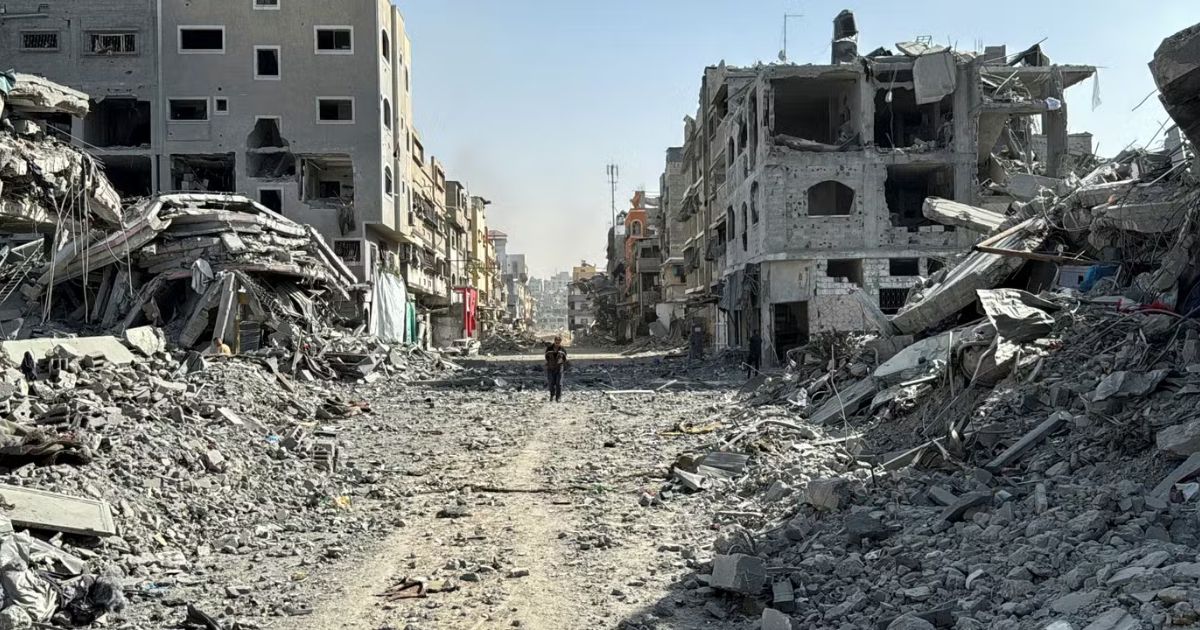
Gaza’s human situation is already critical. The UN puts the figure at 87% of Gaza as being either militarised or subject to evacuation orders. Large sections of the population have been displaced several times over, and many are now packed into squalid refugee camps along the Mediterranean coast.
The US- and Israel-supported Gaza Humanitarian Foundation (GHF) has come under scathing attack from aid organizations, who say GHF’s distribution centers compel starving Palestinians to make long journeys in bad conditions. Médecins Sans Frontières branded the situation “systemic and orchestrated” and demanded that Israel shut down GHF operations and fully open all border crossings to aid.
Famine hangs over much of the land. July recorded almost 12,000 cases of acute malnutrition among children under the age of five, reports the World Health Organization. UN officials caution that taking over Gaza would be a breach of international law and aggravate suffering.
Hamas Response and the Larger Picture
Hamas has accused Netanyahu of offering hostages in exchange for political concessions, terming the decision a continuation of “genocide and displacement.” The organization claims that the move sabotages ongoing ceasefire talks, which broke down two weeks ago after months of US-facilitated negotiations.
The conflict, in its tenth month, was started by Hamas’s October 7, 2023 attack on Israel, which resulted in the deaths of approximately 1,200 individuals and the capture of 251 as hostages. Israel’s military crackdown has killed at least 61,158 Palestinians, reports Gaza’s health ministry.
Former UK national security adviser Mark Lyall Grant labels Netanyahu’s approach a “huge military and political gamble,” threatening mass relocation of Gaza’s population as a violation of international law. But Netanyahu’s administration maintains that capture of Gaza City is necessary to break Hamas’s hold and ensure Israel’s long-term security.
For the time being, the choice has laid the ground for one of the most fiercely disputed and perilous stages in the war one that might redefine the future of Gaza and exacerbate an already catastrophic humanitarian catastrophe.