206
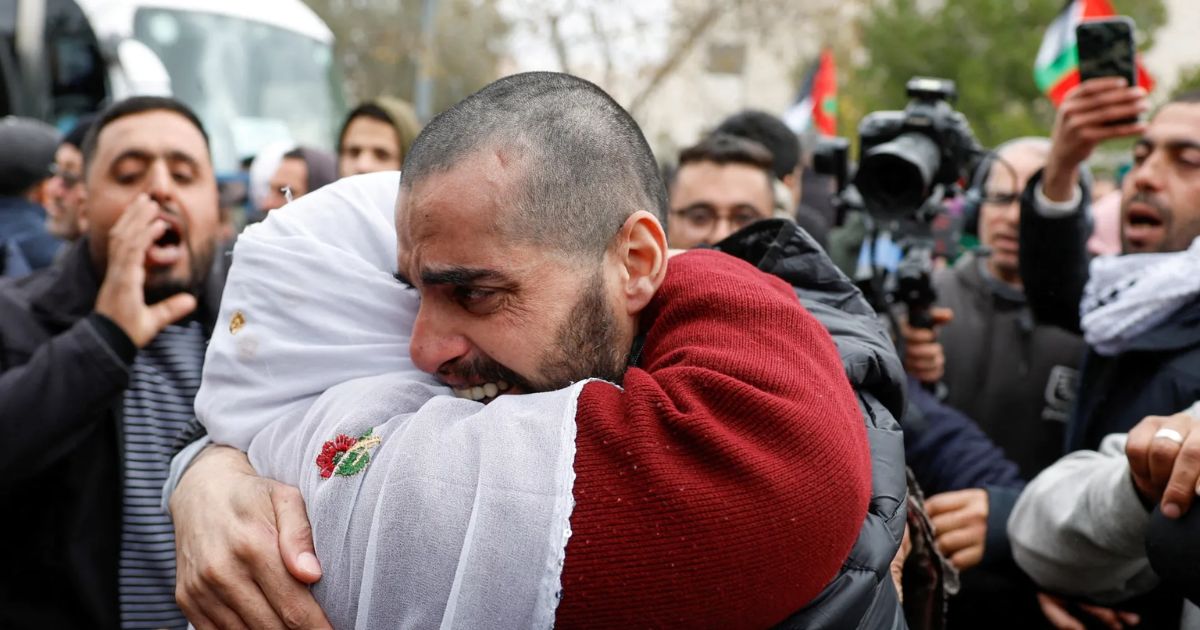
Hamas said it would be prepared to negotiate a broad prisoner exchange agreement with Israel, a move that might signal a turning point in the months-long Gaza war. The announcement, made through the group’s Telegram channel, came as Egyptian and Qatari mediators continued to try to bring about a ceasefire both parties can sign off on.
The faction said it has been “flexible” in the negotiations, seeking to provide the current ceasefire talks with “a sincere opportunity for success.” Its offer focuses on the release of all Israeli hostages in return for an immediate cessation of violence and the pullout of Israeli troops from Gaza.
Hamas cautioned that Israel’s recent military drive into Gaza City would be costly, describing it as “an adventure” that would “not be a picnic.” The group emphasized that giving up was not an option and added that Israeli Prime Minister Benjamin Netanyahu’s military approach would end in failure.
Though neither Israel nor its brokers have publicly endorsed the details of Hamas’s new proposal, the timing is important. Ceasefire negotiations have been at an impasse over sequencing whether the prisoner release should come before or after a pause in hostilities and security deals in Gaza once the guns go quiet.
The humanitarian cost keeps rising, with Gaza’s health infrastructure in peril and large-scale displacement compounding the crisis. International pressure on both governments has intensified, with the United Nations and relief agencies urging immediate action to bring the carnage to an end.
Experts argue Hamas’s announcement may be designed to change the narrative, portraying the movement as ready to negotiate while shifting the blame for rejection to Israel. If agreed, a full prisoner exchange could include hundreds of Palestinian inmates inside Israeli prisons in exchange for the freeing of all Israeli hostages.
For now, the path forward depends on whether mediators can bridge the remaining gaps and secure commitments from both parties. A breakthrough could not only end months of devastating warfare but also reshape the political landscape in the region.
As the ceasefire negotiations go on, the world waits with bated breath in Cairo and Doha to determine if momentum behind the latest news will carry over to a final agreement or fizzle out into another failed chance in the long history of the Israeli-Palestinian conflict.