
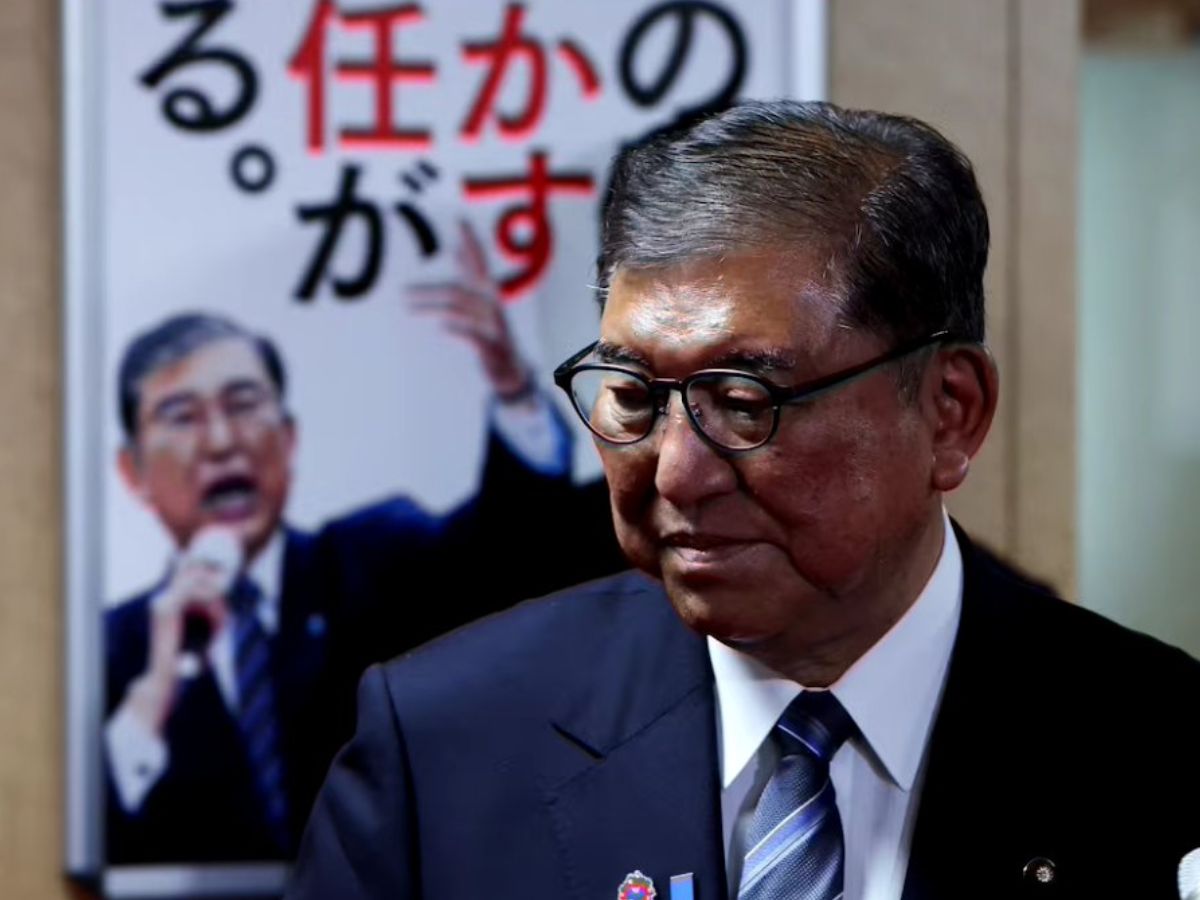
Japan’s Prime Minister Shigeru Ishiba resigned on Sunday, September 7, 2025, following internal pressure within his Liberal Democratic Party (LDP) after the party’s significant losses in the July parliamentary elections. His resignation comes amid mounting pressure from members within his own Liberal Democratic Party (LDP), who called on him to take responsibility for the party’s poor performance.
LDP in Turmoil
The LDP has faced a turbulent period over the past year. After losing its majority in the lower house elections, the party struggled to maintain public confidence. Growing dissatisfaction within party ranks, combined with criticism over leadership decisions and policy direction, created internal tension. The recent upper house election loss intensified the pressure, highlighting the party’s vulnerability and the urgent need for new leadership to restore stability and public trust.
Growing Pressure from Within the Party
The Prime Minister, who assumed office in October, had resisted calls from right-wing party members to step down for over a month. He argued that resigning immediately would create a political vacuum in the country. However, ongoing internal criticism and the threat of a leadership challenge eventually prompted his decision.
In a televised press conference, he announced that he would initiate the process to hold a vote to select a new party leader, making a previously scheduled vote unnecessary.
Parliamentary Defeats Shake the Government
The resignation follows a series of electoral setbacks for the ruling coalition. In the July upper house election, the coalition failed to secure a majority in the 248-seat chamber, undermining government stability. This came after a similar loss in the lower house election, where the coalition was unable to maintain a majority, raising questions about its ability to pass legislation and implement policies effectively.
Strategic Meetings Before Resignation
Ahead of the party’s leadership vote, the Prime Minister met with Agriculture Minister Shinjiro Koizumi and former Prime Minister Yoshihide Suga. These discussions likely influenced his decision to step down before the vote, allowing for a smoother transition and reducing the risk of a divisive contest within the party.
With the resignation, the Liberal Democratic Party (LDP) is now preparing to select a new leader, a decision that will shape Japan’s political landscape and the government’s ability to regain stability. The incoming leader will face the challenge of restoring public trust, addressing internal divisions, and strengthening the coalition’s position in parliament. Analysts predict that the leadership change could bring new policy directions, shifts in domestic and foreign strategy, and renewed focus on economic recovery, regional security, and social welfare. The choice of the next leader will also determine how effectively Japan can respond to pressing challenges, including economic slowdown, international relations, and public confidence in governance, making it a pivotal moment for the country’s future.