
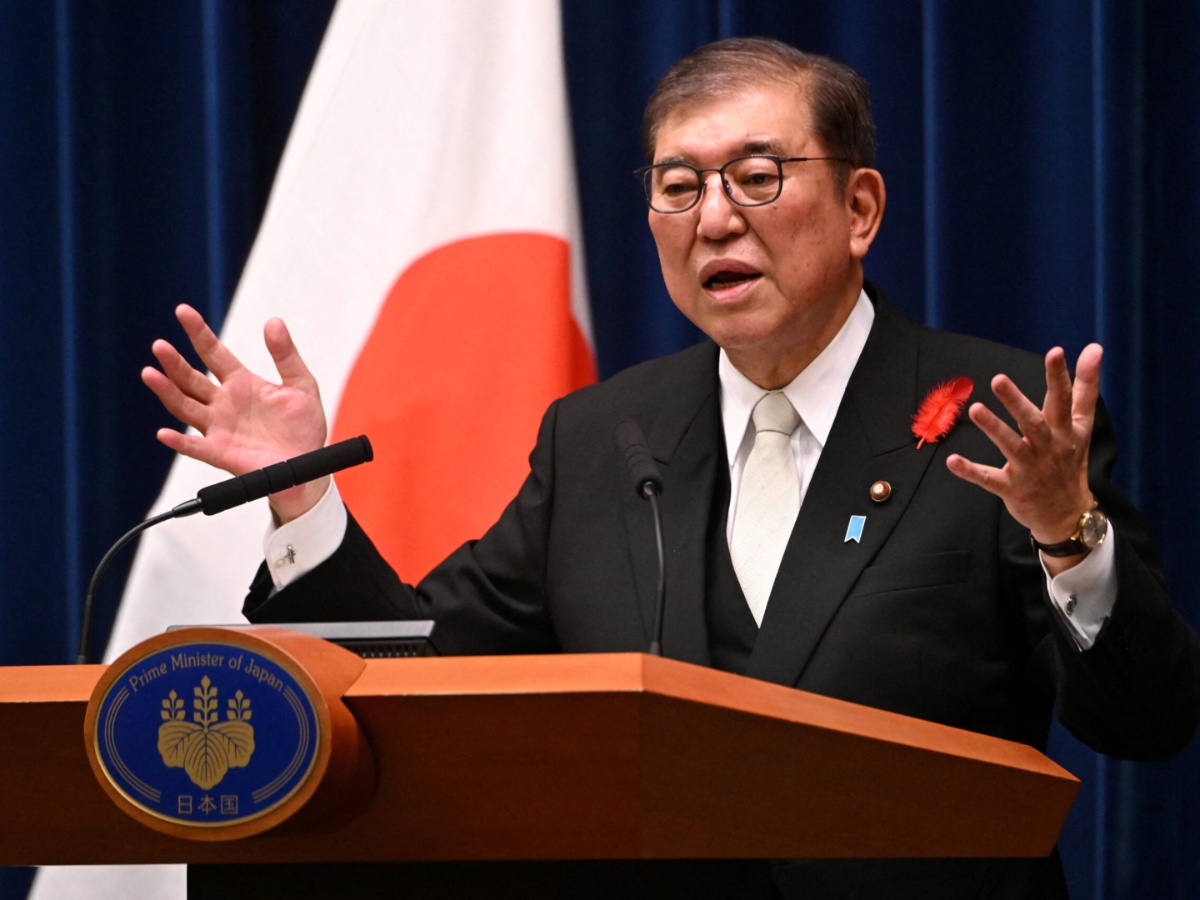
Prime Minister Shigeru Ishiba has stepped down, leaving Japan at a political crossroads. The ruling Liberal Democratic Party (LDP) lost its majority in both houses along with its junior partner and this means the LDP president is no longer guaranteed to take the premiership, opening the door for opposition leaders. The LDP must elect a new president, but the next prime minister could also come from outside the party. Here are the leading contenders in the race.
Sanae Takaichi
Sanae Takaichi, 64, is a veteran of the LDP and could become Japan’s first female prime minister. She previously served as economic security minister and internal affairs minister. Takaichi lost to Ishiba in last year’s run-off. Known for her conservative views, she has called for revising the pacifist constitution. She also opposes Bank of Japan’s interest rate hikes and supports more government spending to revive the fragile economy. Takaichi frequently visits the Yasukuni shrine to honour Japan’s war dead, which reflects her nationalist leanings.
Read More: Who is Shigeru Ishiba? Japan’s PM Who Vowed to ‘Make Nation Smile Again’ Resigns
Shinjiro Koizumi
Shinjiro Koizumi, 44, is the son of former Prime Minister Junichiro Koizumi and a rising star in Japanese politics. He ran in the LDP leadership race last year, presenting himself as a reformer who could restore trust in a scandal-hit party. If chosen, he would become Japan’s youngest prime minister in the modern era. Unlike Takaichi, Koizumi stayed in government after losing. As agriculture minister, he led efforts to control soaring rice prices, which earned him public attention.
Yoshimasa Hayashi
Yoshimasa Hayashi, 64, is Japan’s current chief cabinet secretary, making him the government’s top spokesperson. He has held key portfolios including defence, foreign, and agriculture minister. Hayashi speaks fluent English and has run for LDP leadership in 2012 and 2024. He has consistently defended the independence of the Bank of Japan in monetary policy. His long ministerial experience and moderate stance make him a strong contender for the post.
Yoshihiko Noda
Yoshihiko Noda, 68, leads the opposition Constitutional Democrats. He served as Japan’s prime minister from 2011 to 2012. During his tenure, he pushed through legislation doubling the consumption tax to 10% to curb debt, which gave him a reputation as a fiscal hawk. In the July upper house election, he shifted his stance and proposed a temporary cut in consumption tax on food items. As the head of the biggest opposition group, Noda stands a serious chance if LDP fails to secure parliamentary support.
Yuichiro Tamaki
Yuichiro Tamaki, 56, heads the Democratic Party for the People. A former finance ministry bureaucrat, he co-founded the party in 2018. Tamaki has pledged to expand tax exemptions, slash the consumption tax, and raise take-home pay for citizens. He also supports boosting Japan’s defence capabilities, stricter regulations on foreign land acquisitions, and building more nuclear power plants while his centrist yet pragmatic approach makes him a notable challenger in the race for leadership.
Read More: India, Japan Seal $67B Deal—A Game-Changer for Tech, Defence & High-Speed Rail?
A Crucial Leadership Battle
With Ishiba gone and the LDP weakened, Japan faces an unpredictable leadership battle and the race includes seasoned LDP veterans, reformist young leaders, and credible opposition figures. The outcome will shape Japan’s economy, security, and political stability in the years ahead.