
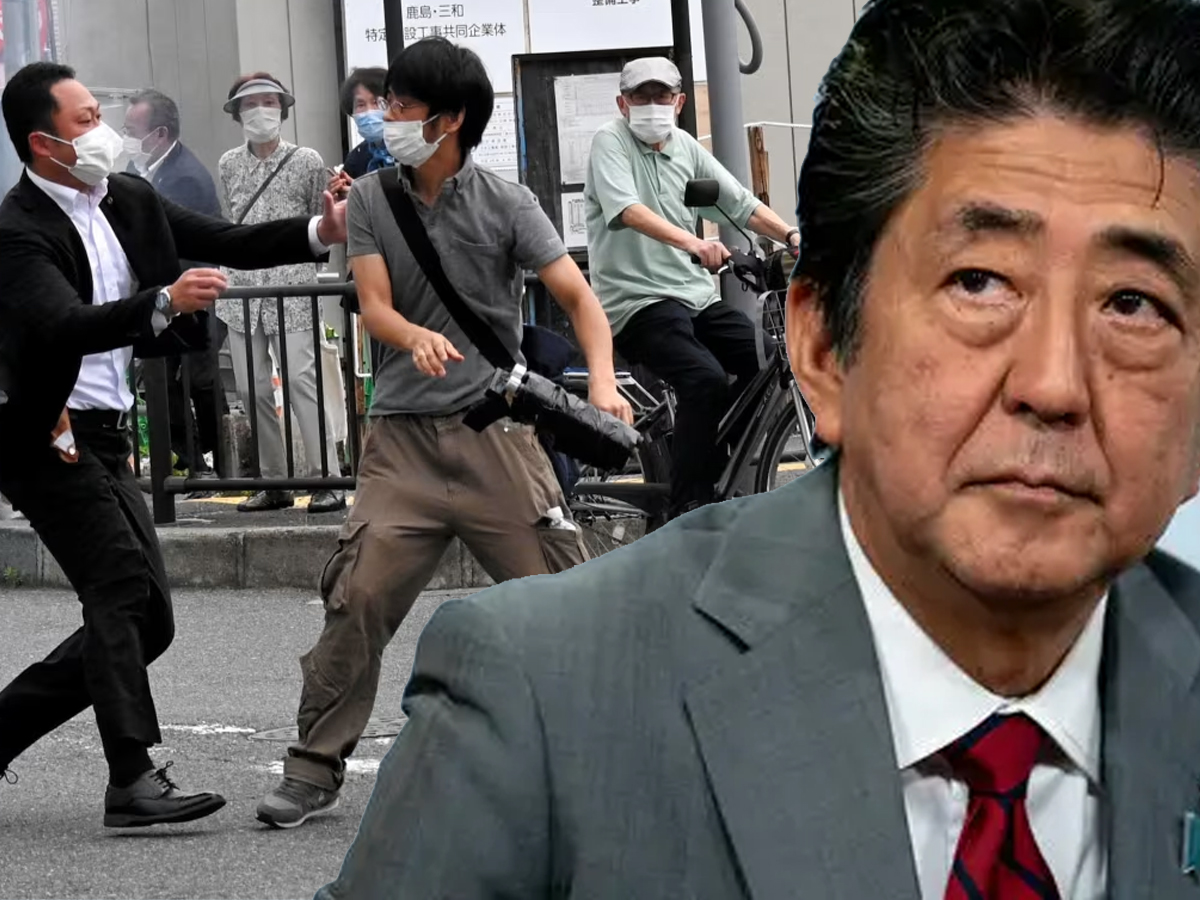
A shocking and unprecedented act rocked Japan in July 2022 when former Prime Minister Shinzo Abe was fatally shot during a campaign speech in Nara. The alleged perpetrator, Tetsuya Yamagami, was arrested at the scene. The incident triggered an intense investigation into deep-rooted motives, including personal grievances linked to a religious organization, questions around gun control and political ties, and a large-scale national debate on public event security.
Below are the full details, who Yamagami is, how the shooting happened, what his motive may have been, and what the legal fallout has become.
Who Assassinated Shinzo Abe?
Tetsuya Yamagami, a 41-year-old man at the time, fatally shot former Japanese prime minister Shinzo Abe on 8 July 2022. Yamagami attacked Abe during an outdoor campaign speech in Nara using a homemade firearm. Abe collapsed at the scene and later died in the hospital from blood loss.
Who is Tetsuya Yamagami?
Tetsuya Yamagami is a Japanese man from Nara Prefecture who served in the Japan Maritime Self-Defense Force earlier in his life. He had no notable criminal history before the shooting and was unemployed at the time of the attack.
Authorities arrested him at the scene and later carried out psychiatric evaluations before charging him.
Tetsuya Yamagami’s Gun
Police say Yamagami built an improvised gun that he used in the attack. Investigators recovered several homemade guns, some unfinished, and components for gunpowder at his home and vehicle.
Forensics and police reports describe the weapon as a crude double-barreled device capable of firing pellets.
Tetsuya Yamagami’s Punishment
Yamagami has confessed to killing Abe, but legal proceedings have continued over charges including murder and weapons offenses. A psychiatric assessment deemed him fit to stand trial, and prosecutors formally charged him.
His criminal trial began in late October 2025, and the court will decide guilt and any sentence after the hearings conclude.
What was Tetsuya Yamagami’s Motive?
Yamagami told police that he targeted Abe because of Abe’s links to the Unification Church, which Yamagami blamed for his family’s financial ruin. He said his mother made large donations to the group, and the family suffered severe hardship afterward. Investigations into political ties between the church and ruling-party members intensified after the killing.
What are Tetsuya Yamagami’s Political Views?
Yamagami described his grievance as personal, not political. He said he acted to “liberate” people from the harm he attributed to the Unification Church. Observers note he did not strike explicit party-political demands in publicly available statements to the police. Media reporting focused more on his motive linked to the church than on any coherent political ideology.
Tetsuya Yamagami cosplay
Some young people in China have started making short videos on social media, dressing up and posing like Tetsuya Yamagami, as part of a controversial online trend glorifying the assassin.
Why was Japan’s Prime Minister Assassinated?
Shinzo Abe was assassinated because the attacker blamed him for his perceived ties to the Unification Church and for the personal harm those ties caused the attacker’s family.
The suspect said he wanted to strike at the organization and viewed Abe as linked to it through political connections. The killing prompted national debate about party ties to religious organizations and security at public events.
What was Tetsuya Yamagami’s family background?
Reporting says Yamagami’s family suffered financial hardship after his mother donated large sums and assets to the Unification Church. His family experienced bankruptcy and loss of property, which Yamagami cited as central to his motive.
Is Tetsuya Yamagami still alive?
Yes. Authorities arrested Yamagami at the scene in 2022, and he remained alive in custody while undergoing psychiatric evaluation and prosecution. As of October 2025, he is in detention and attending trial proceedings.
What happened to Tetsuya Yamagami?
Police detained him immediately after the shooting and later charged him with murder and weapons offenses. He underwent psychiatric assessments and awaited trial; prosecutors deemed him fit to stand trial before indicting him.
The legal process has examined both his criminal responsibility and the wider political fallout.
Where is Tetsuya Yamagami Now?
Tetsuya Yamagami is in custody and has been held in detention pending trial. His trial opened on 28 October 2025, with hearings scheduled through January 2026 to determine the verdict.