475
Japan is facing its sharpest population decline on record, with deaths outpacing births by nearly one million in 2024 a demographic shift experts warn could reshape the nation’s economic, social, and cultural fabric.
A Record Drop in Numbers
Updated data from Japan’s Ministry of Internal Affairs and Communications indicate that the nation documented only 686,061 births during last year, the lowest number on record since 1899. Meanwhile, deaths increased to 1.59 million, making the total population 124.33 million. The decline represents the sharpest dip since records became available for comparison in 1950, and the 16th year of decline in a row.
The difference between deaths and births is growing at a shocking rate, sparking fears of an ever-dwindling workforce, slumping economic growth, and even the possibility of national security threats. Prime Minister Fumio Kishida has described the population change as a “quiet emergency,” promising free child care to ease the balance of work and raising children. Yet, even after decades of subsidies, the trend refuses to turn around.
ALSO READ: Lost Phone, Liquor Courage: Drunk Man Floats 4 Hours At Sea In Japan Wild Midnight Rescue
Ageing Fast, Emptying Towns
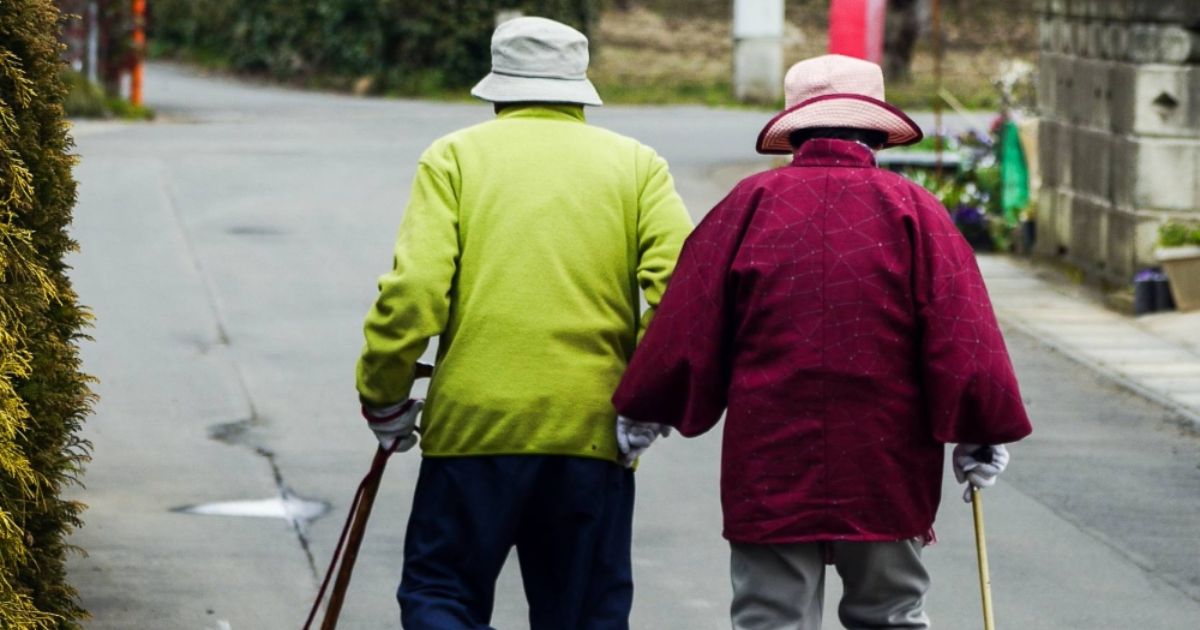
Japan is not only shrinking, it’s aging. Almost 30 percent of its population is now 65 or older. It is forecast that four out of ten people will be over the age of 65 by 2070 when the population will have dropped to 87 million.
The impact is seen throughout the nation. Rural villages and towns are decaying, with over four million homes left vacant in the last two decades. Country schools are shutting down, and local communities are finding it difficult to cope as younger residents move to towns or stay childless.
Foreign Residents on the Increase
Even as Japan’s native-born population is dwindling, its foreign residents are climbing steadily to a record 3.6 million as of January 1, 2025 roughly 3 percent of the population. Most of them come to Japan to work or study, at least partially making up for labour shortages in sectors like manufacturing, caregiving and agriculture.
Analysts note that in order to retain economic vigor, Japan could potentially have to welcome more immigration, in tandem with policies that deal with domestic birth rates.
Cultural and Economic Barriers to Parenthood
Demographers suggest that official policies have concentrated on couples married to each other, neglecting the increasing population of young people who are not willing to get married. Surveys indicate that most individuals in their 20s and 30s report job insecurity, high cost of living, and excessive working hours as the reasons for postponing or skipping marriage and children.
Japan’s company culture tends to heap huge burdens on working mothers, and societal norms regarding gender roles further pile on the pressure. Unless these deeper cultural and structural problems are addressed, experts caution, nothing will trigger a baby boom, no matter how large the incentives.
While Japan struggles with its demographic time bomb, the problem is more than statistics it’s about rethinking how Japan cares for young people, working parents, and a growing diverse population.