
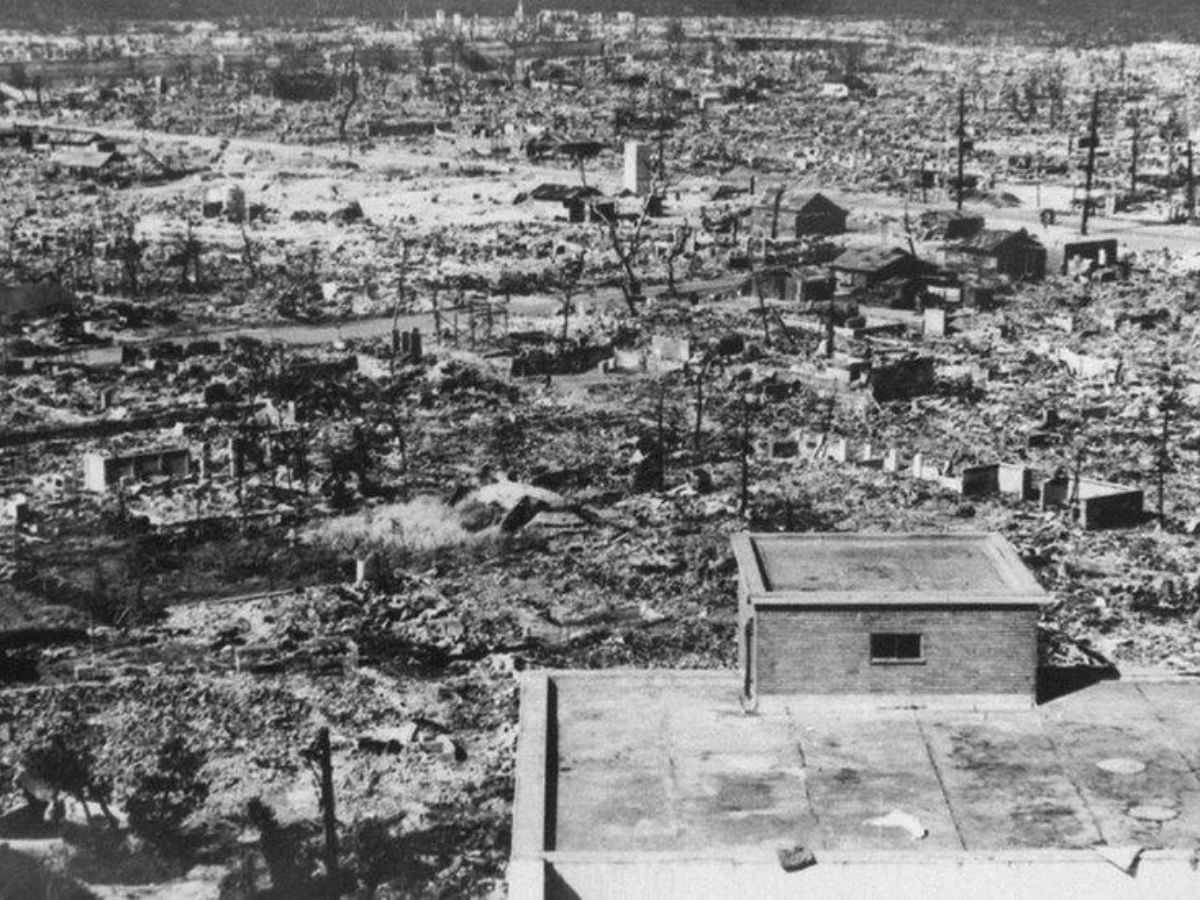
August 6, 1945, was the most dreadful day in history, when the United States dropped the first atomic bomb on the city of Hiroshima in Japan. 2025 marks the 80th anniversary of the tragedy that killed over 140,000 people.
The bomb was delivered in B-29 bomber aircraft. The bomb was named ‘Little Boy’. Every year, August 6th is observed as Hiroshima Day to commemorate the victims of the deadly nuclear attack.
Along with remembering the lost lives, it also reflects on the humanitarian consequences of nuclear warfare.
What Actually Happened?
Japan was among the major Axis powers during World War 2 and refused to surrender to the Allied Forces. So, the US decided to end the global war by dropping the bomb on Hiroshima.
After the bomb was dropped, the temperature reached 4000°C, destroying everything within its three-kilometer radius. The firestorm swallowed all the available oxygen, causing death by asphyxiation.
Just three days later, they dropped another atomic bomb on the city of Nagasaki. It resulted in the killing of 200,000 people by the end of the year. Those who survived, suffered from radiation-related illness.
The survivors were known as ‘hibakusha’ and faced a higher risk of deadly diseases such as cancer, leukemia and disabilities among their children.
After the devastation caused in the country, Japan’s Emperor Hirohito announced an unconditional surrender in World War 2 on August 15. With that, World War 2 came to an end. However, the consequences of the atomic bombs last till date.
How Many People were Killed?
The United States dropped the bomb on Hiroshima on August 9, killing 140,000 people. Three days later, they delivered another atomic bomb on Nagasaki, killing 74,000 more. These remain to be the only two times that atomic bombs have been used in warfare.
The bombing of Hiroshima and Nagasaki collectively claimed 200,000 lives. Survivors were affected by radiation-related illness and died horribly. The illness is passed down from generation to generation and is still impacting the people.