
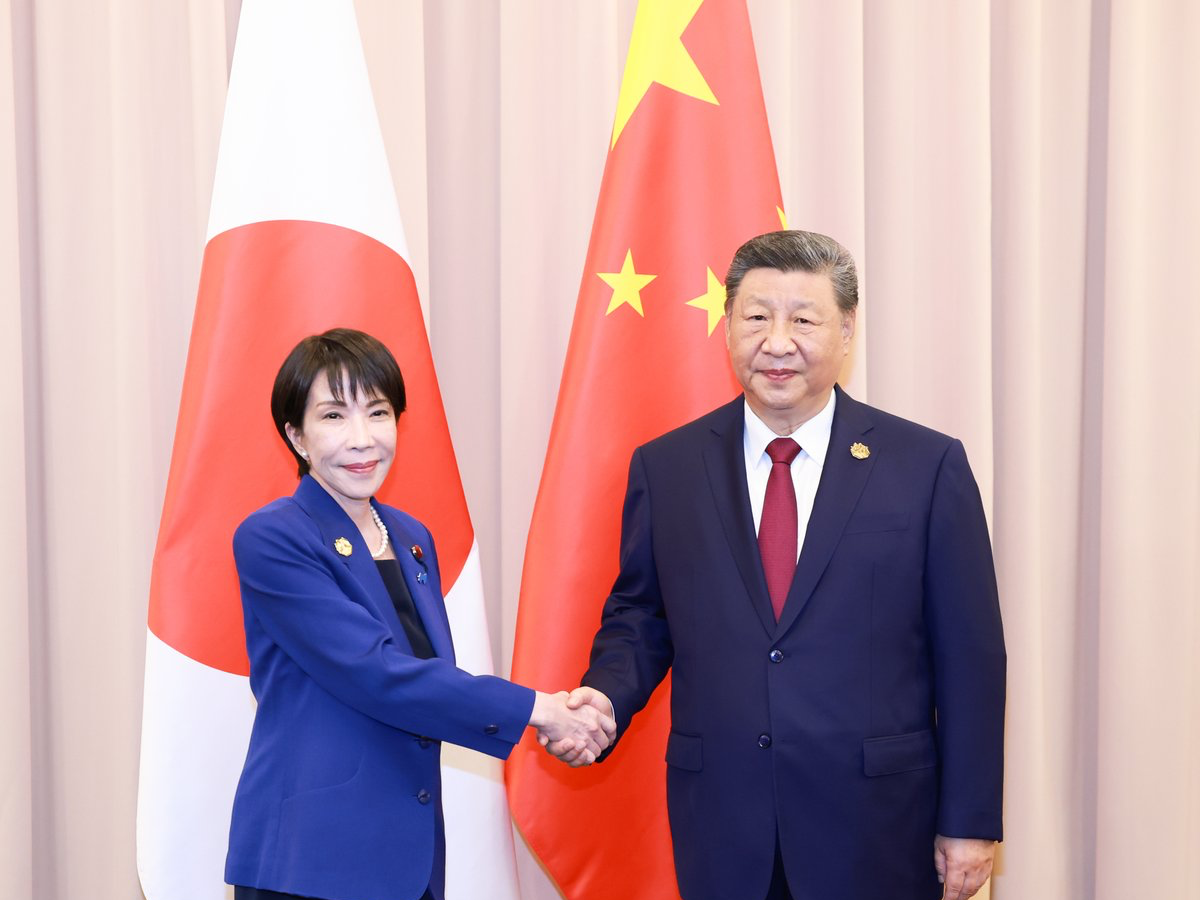
Tensions between Japan and China have risen once more, this time over remarks connected to Taiwan. After Tokyo hinted that military action could be contemplated should China use force against the island, Beijing issued a travel warning urging its citizens to avoid Japan.
Now, Japan seems to try to temper the situation, stressing that diplomatic channels are still open, even as both sides exchange sharp messages.
Japan Seeks to Keep Dialogue Open
Japanese officials have been quick to emphasize that communication with Beijing has not broken down. Masaaki Kanai, who oversees Asia and Oceania affairs for Japan’s foreign ministry, travelled to Beijing to meet his Chinese counterpart Liu Jinsong.
Tokyo’s Chief Cabinet Secretary said Japan has formally asked China to act responsibly, adding continued engagement was key to avoiding miscalculation in such a sensitive moment.
Why China Issued a Travel Warning
China reacted after Prime Minister Sanae Takaichi said in parliament that the Japanese military could respond if China attacked Taiwan. Beijing called the remarks provocative and said they damaged the environment for people to people exchange.
ALSO READ: Sheikh Hasina Sentenced to Death: Where Is Bangladesh’s Former PM Now & Where Does She Live?
Shortly after the warning, major Chinese airlines announced free cancellations and changes for Japan-bound flights, signaling how serious Beijing wants the message to appear.
Takaichi Firmly Stands by Her Words
Despite Beijing’s objection, the prime minister, Takaichi, has not retreated from her previous position. She maintained that Japan needed to be ready to react to regional instability, while conceding that in the future, she would not make any more comments referencing particular scenarios.
Her remarks reflect a developing concern within Tokyo over heightened military pressure around Taiwan and Japan’s security commitments in the region.
ALSO READ: Ariana Afghan Airlines Cuts Delhi–Kabul Cargo Rates to Boost Trade
Rising Tensions between Japan & China
This episode serves as another reminder of how Taiwan remains a flashpoint capable of straining East Asia’s biggest relationships. While Japan insists it wants stable ties, China continues to warn against any move it interprets as interference.
For the time being, both nations are trying to manage tensions without crossing into deeper confrontation. A question remains, over whether the current diplomatic gestures will be enough to steady the situation.
ALSO READ: US Recruiter: Why F-1, OPT & H-1B Workers Struggle to Get Past the First Job Screening
Disclaimer: This article is based on publicly available information and provides an editorial perspective. Details may change as official statements evolve.