
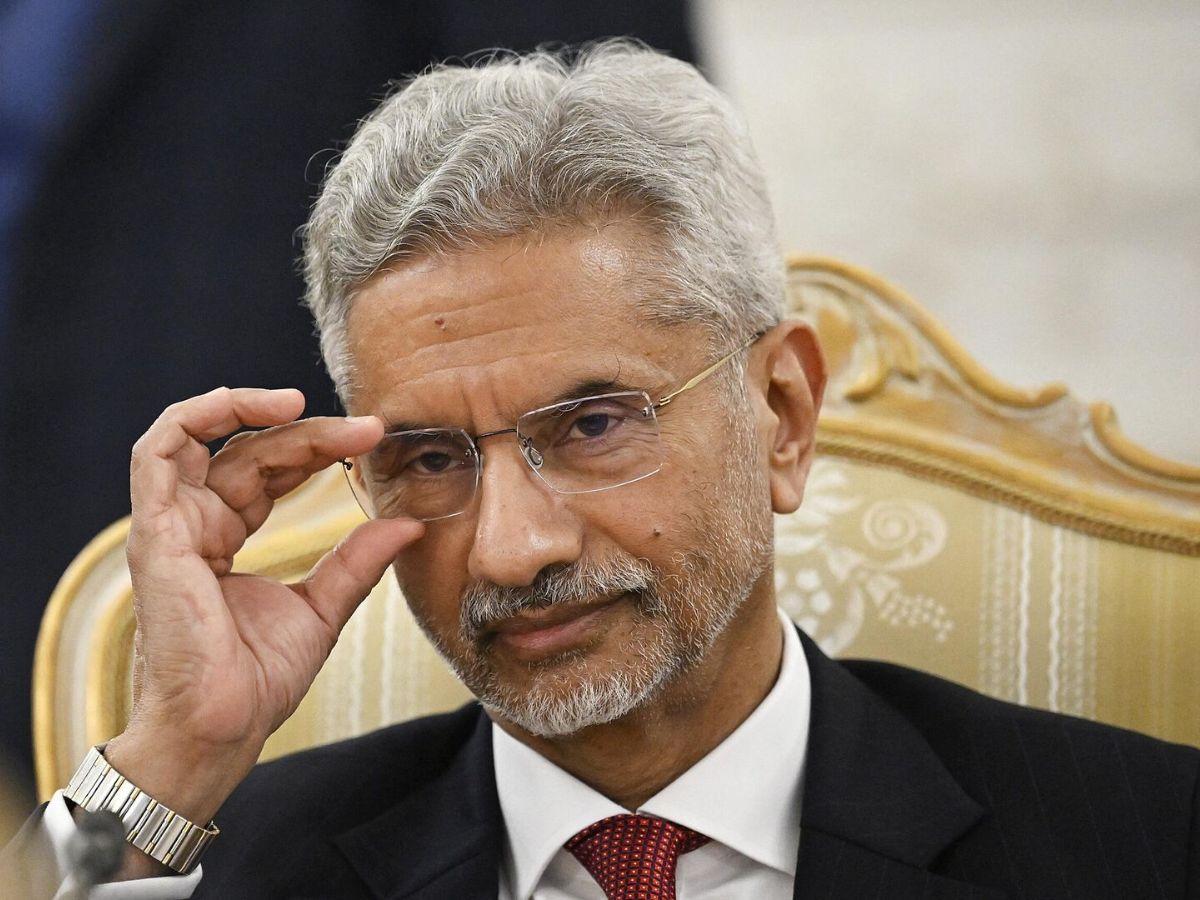
Indian External Affairs Minister S. Jaishankar on Wednesday called for India and Russia to adopt a “more innovative approach” to navigate the complexities of their geopolitical relationship, as tensions between New Delhi and Washington continue to escalate over energy trade.
The comments came when Jaishankar met with Denis Manturov, Russia’s first deputy prime minister, in Moscow. The topics of conversation included trade diversification, bilateral collaboration, and Russian President Vladimir Putin’s planned visit to India later this year.
‘Doing More and Doing Differently’
Emphasizing the importance of moving beyond conventional frameworks, Jaishankar said India and Russia should “continuously diversify and expand” their cooperation agenda. This includes not only broadening the bilateral trade basket but also increasing joint ventures across sectors.
“Doing more and doing differently should be our mantras,” the minister underlined, highlighting the need to adapt to the fast-changing international environment marked by shifting energy markets and intensifying geopolitical rivalries.
The U.S. Factor and Tariff Pressures
Jaishankar’s remarks came against the backdrop of souring ties between New Delhi and Washington after U.S. President Donald Trump imposed a sweeping 50 per cent tariff on India, comprising an additional 25 per cent duty—over its continued purchase of Russian crude oil.
Trump’s move, announced earlier this month, was justified by Washington as part of efforts to reduce Moscow’s revenues amid the prolonged war in Ukraine, now in its fourth year. However, the step has drawn sharp criticism in India, which argues that its oil imports from Russia are driven by necessity rather than politics.
India’s Pushback Against U.S. Criticism
In a strongly worded statement released on August 4, the Ministry of External Affairs (MEA) rejected Trump’s warnings and called the tariffs “unjustified and unreasonable.”
“India has been targeted by the United States and the European Union for importing oil from Russia after the commencement of the Ukraine conflict,” the MEA said on X (formerly Twitter). “In fact, India began importing from Russia because traditional supplies were diverted to Europe after the outbreak of the conflict. The United States at that time actively encouraged such imports by India for strengthening global energy market stability.”
India has consistently defended its stance by arguing that energy security is a critical requirement for its 1.4 billion people and that its policies are based on affordability and access.
Russia Remains a Strategic Partner
Despite the pressures from Washington, New Delhi remains committed to its long-standing partnership with Moscow. According to officials, Russia still plays a significant role as a defense and technological partner in addition to providing energy.
Jaishankar’s Moscow visit is seen as part of efforts to ensure that the India-Russia relationship stays resilient amid mounting Western pressure. His focus on “innovation” and joint ventures signals a shift toward finding fresh mechanisms that can insulate bilateral ties from external shocks.
Also Read: India Responds to Bangladesh Accusations on Awami League Activities Amid Political Strife
Preparing for Putin’s India Visit
The talks in Moscow also laid the groundwork for Russian President Vladimir Putin’s expected visit to India later this year, where a wide-ranging agenda on trade, defense, and energy cooperation is likely to be discussed.
Analysts believe that the visit will be crucial in defining how India balances its deepening strategic ties with the United States while safeguarding its decades-old friendship with Russia.