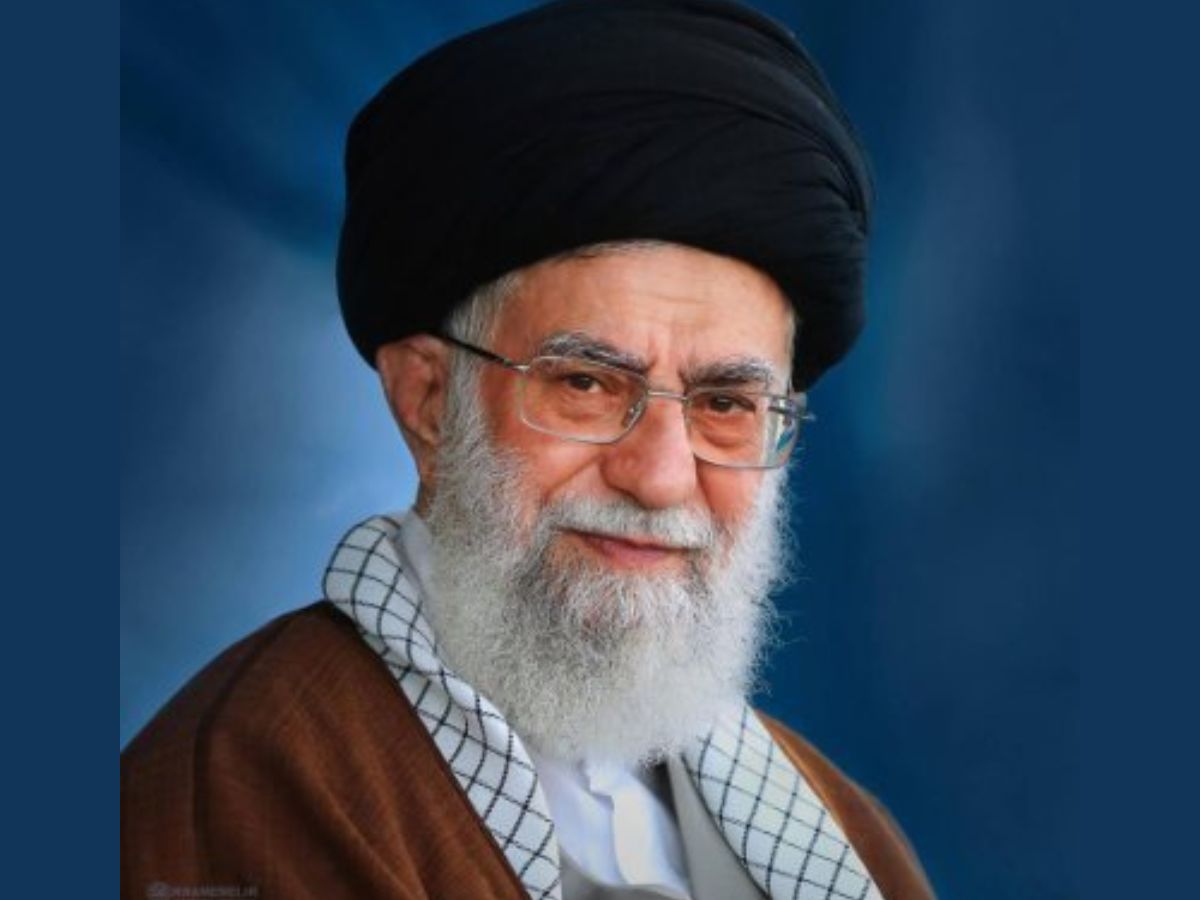
Iranian Supreme Leader Ayatollah Ali Khamenei has drawn attention after describing women as “managers of the home” and not servants, comparing them to flowers that need care and protection. His remarks come amid ongoing debates in Iran over women’s dress codes and the enforcement of the mandatory hijab law.
Khamenei’s Statement on Women’s Role
In a post on X, Khamenei said, “Women are the manager of the home, not a servant for you to say, ‘Why didn’t you do this? Why didn’t you do that? Why isn’t the house clean?’ A woman is like a flower. A flower must be cared for and protected, and she will enrich you with her color, fragrance, and qualities.”
Women are the manager of the home, not a servant for you to say, “Why didn’t you do this? Why didn’t you do that? Why isn’t the house clean?” A woman is like a flower. A flower must be cared for and protected, and she will enrich you with her color, fragrance, and qualities.
— Khamenei.ir (@khamenei_ir) December 3, 2025
Khamenei praised that said, “Women’s achievements in intellectual & research centers in the Islamic Republic are unprecedented in Iran’s history. We’ve never had this many women scholars & intellectuals in Iran. Praise God, our women are among the best in global science, social, political & athletic fields.”
Women’s achievements in intellectual & research centers in the Islamic Republic are unprecedented in Iran’s history. We’ve never had this many women scholars & intellectuals in Iran. Praise God, our women are among the best in global science, social, political & athletic fields.
— Khamenei.ir (@khamenei_ir) December 3, 2025
The comments followed a public address at Imam Khomeini Hussainiya in Tehran, held to mark National Mothers’ Day, celebrated on the birth anniversary of Lady Fatima al-Zahra, the daughter of Prophet Mohammad (PBUH). Thousands of Iranian women and girls attended the event.
Hijab Controversy and Western Criticism
Khamenei’s remarks come after criticism from over half of Iran’s conservative parliament, which said the judiciary failed to enforce the hijab law properly.
He accused the US and Western capitalist culture of “eroding women’s dignity” and dismissed Western arguments that women observing hijab cannot succeed. He said,“The West insists on exporting its culture regarding women. They even argue that if a woman observes hijab and sets these limitations for herself, she won’t be able to progress! The Islamic Republic has refuted that nonsensical logic.”
He added that Islam gives women respect and an equal standing in society.
Women’s Rights and Dignity in Islam
Khamenei emphasized that women can be active in society, business, politics, and government, and their security, dignity, and honor must be protected. He said, “Safeguarding a woman’s security, dignity, and honor is one of women’s rights. A woman’s dignity must be protected. The evil capitalist logic tramples on and destroys women’s dignity.”
Women in Current Iran
Today, Iranian women face a complex mix of opportunities and restrictions. While some women are active in higher education, professional fields, and government jobs, social restrictions such as mandatory hijab laws and limits on personal freedoms continue.
Activists argue that women’s progress is often symbolic rather than structural. For example, they can pursue careers and education, but restrictions on dress codes and public behavior remain strictly enforced. Protests for women’s rights in recent years highlight the tension between government control and citizens’ demands for greater freedom.
Analysis: The Politics of Controlled Chaos
Iran’s leadership uses selective tolerance and public gestures like easing some social restrictions to manage unrest, while maintaining strict control over opposition and systemic structures. This creates a gap between visible freedoms and underlying repression, a tactic that may not be sustainable in the long term.
Background: Hijab and Controversies
The hijab debate flared again after Khamenei’s office published a newspaper photo of an unveiled Iranian woman killed in the June war with Israel, where she wore a baseball cap but her hair was visible.
Khamenei defended Islamic dress, saying, “In the Islamic republic, it has been shown that a Muslim woman, wearing the hijab and respecting the Islamic dress, can progress more than others in all areas and play an active role both in society and in her home.”
Historical Context
Since the 1979 Islamic Revolution, which overthrew the US-backed Shah, women in Iran have been required to cover their neck and head and dress modestly, making the hijab mandatory in public spaces.
Also Read: US breaks promises in every matter, cannot negotiate with such a party: Khamenei