
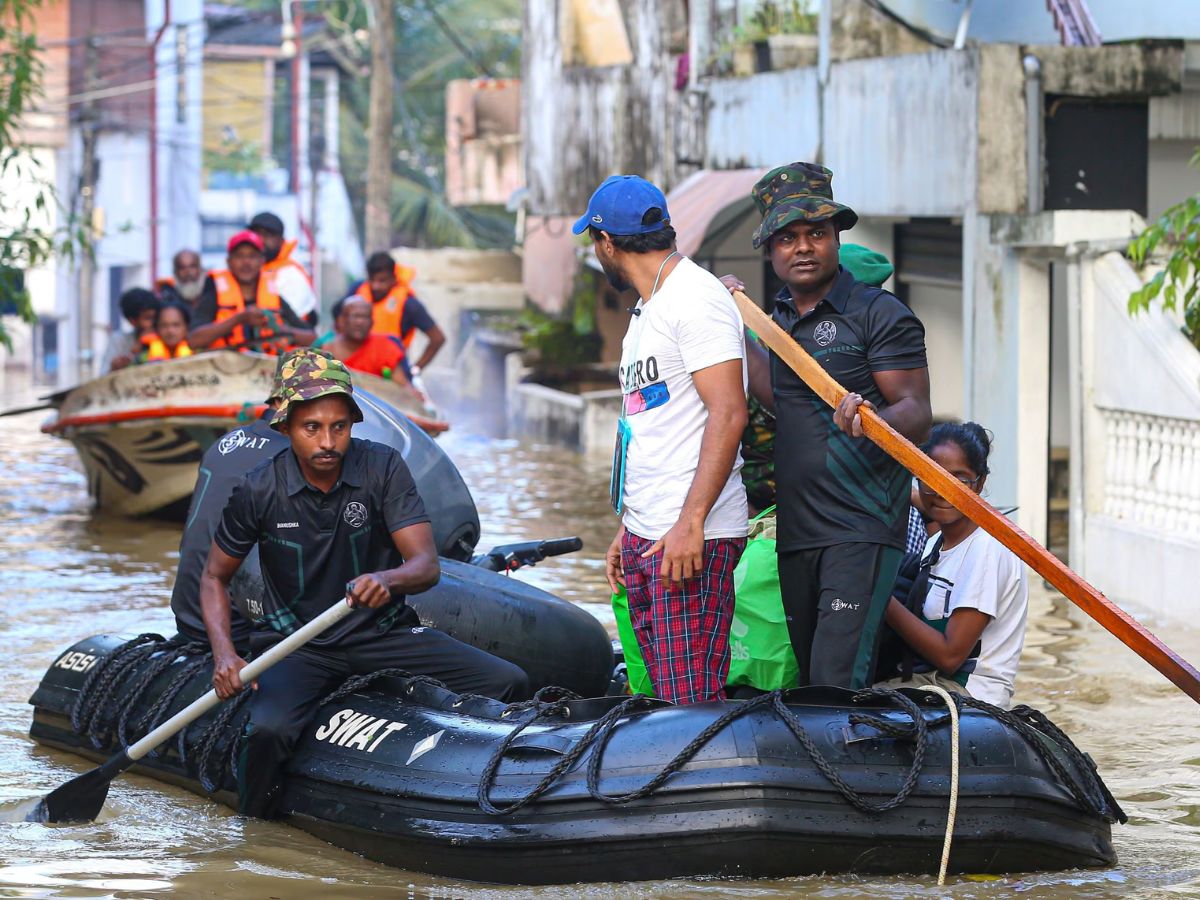
A series of severe weather events, including two rare tropical cyclones, Cyclone Senyar and Typhoon Koto combined with heavy monsoon rains, have caused a regional emergency across Asia, resulting in over 1,160 deaths across at least four countries. The death toll is expected to rise as search and rescue operations continue for hundreds still missing. The affected nations, including Indonesia, Sri Lanka, Thailand, and Malaysia, experienced widespread devastation from flooding and landslides, cutting off entire villages and destroying homes and infrastructure.
The number of people killed in the massive floods and landslides across Indonesia’s Sumatra island has climbed to 631, according to the country’s disaster agency. Authorities have moved one million residents from high-risk zones as conditions continue to worsen.
Cyclone Senyar and Typhoon Koto formed in the Northwest Pacific Basin, which has the largest, most frequent and most intense tropical cyclones in the world.
Asia Hit Hard by Heavy Rains and Cyclone Senyar and Typhoon Koto
This week, powerful monsoon rains combined with tropical cyclones have caused destruction in several parts of Asia including Indonesia, Sri Lanka, and Southern Thailand. More than 1,160 people have died across the region, with towns submerged, public facilities damaged and many communities cut off.
In Indonesia alone, the impact is severe:
-
3.2 million people affected
-
2,600 injured
-
472 still missing
Rescue Efforts Delayed Due to Damaged Infrastructure
Emergency workers are trying to reach isolated villages, but progress is slow because many roads and bridges have been destroyed. Large sections of northern Sumatra cannot be reached by land, leaving survivors waiting for help.
In Aceh, one of the worst-affected provinces, food supplies are running dangerously low. Markets are short of essential items like rice and vegetables, and prices have tripled, according to Islamic Relief. The aid group warned, “Communities across Aceh are at severe risk of food shortages and hunger if supply lines are not re-established in the next seven days.” Islamic Relief is sending 12 tons of emergency food aid to the region.
Government and Global Agencies Step In
The Indonesian government announced that it is shipping 34,000 tons of rice and 6.8 million litres of cooking oil to Aceh, North Sumatra, and West Sumatra.
Meanwhile, the World Health Organization (WHO) is deploying medical teams, critical supplies, and increasing disease monitoring to prevent outbreaks. WHO chief Tedros Adhanom Ghebreyesus said the situation is
another reminder of how climate change is driving more frequent and more extreme weather events, with disastrous effects.
Survivors Tell Stories of Sudden, Violent Floods
Many survivors are now living in shelters after the floods swept through neighborhoods with almost no warning. Gahitsa Zahira Cahyani, a 17-year-old student from an Islamic boarding school, described the terrifying night, “We didn’t think we would survive that night because the situation was so chaotic. Everyone was thinking about saving themselves. There was no prior warning whatsoever before the water came.”
Hundreds of students fled in the dark, some climbing onto trees and the roof of their mosque to escape the fast-rising water.
Rare Tropical Storm Worsens Seasonal Monsoons
While monsoon rains regularly cause flooding, this year’s disaster became worse due to an unusual tropical storm forming in the Malacca Strait, intensifying the damage across Sumatra and Southern Thailand. In Thailand alone, 176 deaths have been reported.
Sri Lanka is facing a separate crisis triggered by Cyclone Ditwah, which caused deadly landslides and massive flooding.
-
390 people killed
-
352 still missing
President Anura Kumara Dissanayake declared a state of emergency, calling it the most challenging natural disaster in our history. Although rainfall has decreased, officials say landslide warnings remain in place across much of the country’s central region.
Also Read: Why National Pollution Control Day Is Celebrated? Objectives & Preventive Measures