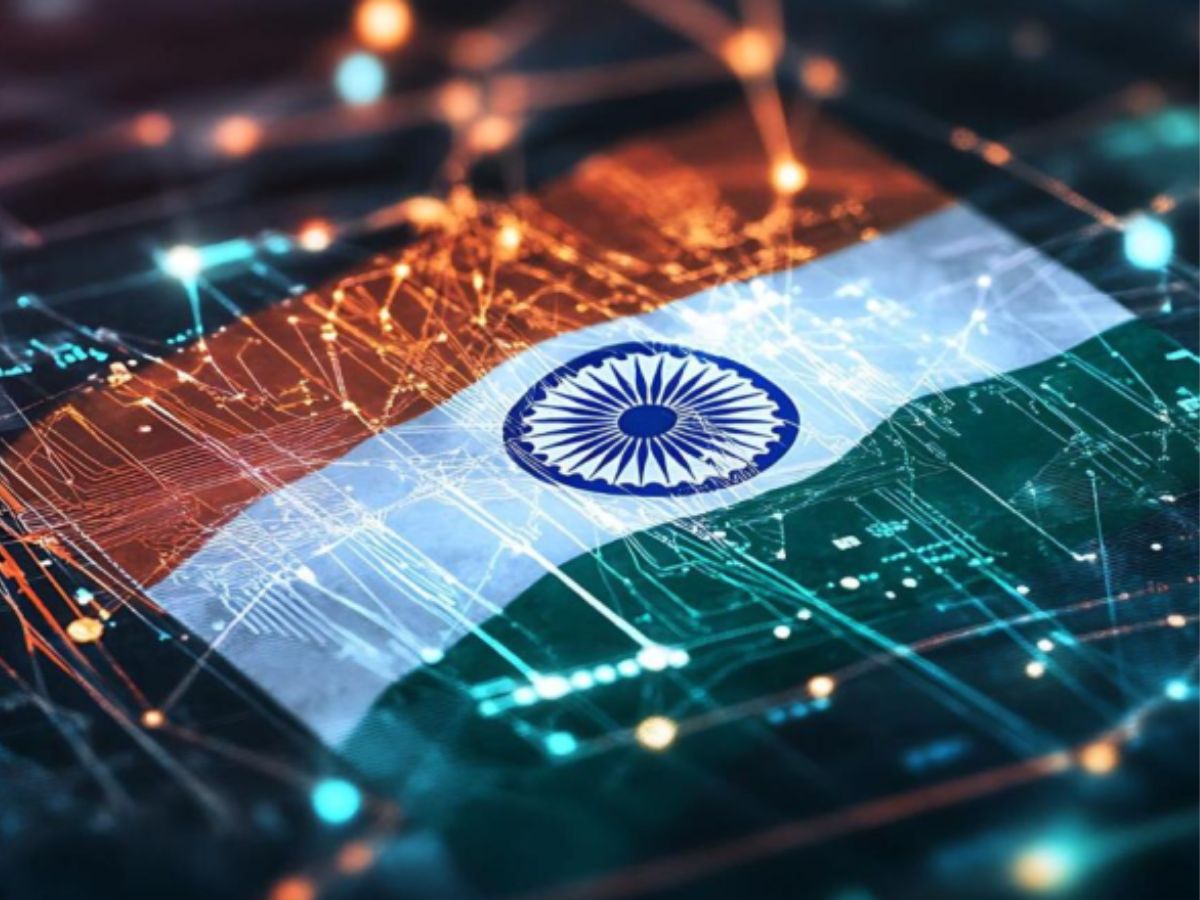
This week, India’s AI Summit in New Delhi with the three sutras, ‘people, planet and progress’, has signified a significant transformation in the integration of artificial intelligence into global politics, establishing India not just as a technology market but as a key influencer and connector between the Global North and South. By bringing together leaders, experts, and industry representatives at the AI Impact Summit 2026, India has leveraged the AI agenda to further its foreign policy objectives: strategic autonomy, digital leadership, and advocacy for the developing world.
The summit in context The AI Impact Summit, officially known as the India AI Impact Summit 2026, took place at Bharat Mandapam in New Delhi from February 16-21, 2026, under the auspices of the Indian AI Mission. This event is recognized as the fourth instalment in a series of international AI summits, succeeding the Bletchley Park AI Safety Summit (2023), the AI Seoul Summit (2024), and the AI Action Summit in Paris (2025). Notably, it marks the first occurrence in this series to be organized by a nation from the Global South, indicating a shift in geographic and political dynamics within the discussions surrounding AI governance.
India’s humancentric ‘MANAV’ vision At the AI Impact Summit, PM Narendra Modi characterized AI as a “multiplier of human capability” instead of a threat, introducing a comprehensive, human-centric “MANAV” vision for AI governance. This vision prioritizes ethical governance, accountability, inclusion, and protections for vulnerable groups, especially children. He also advocated for global standards and watermarking of AI-generated content to combat misinformation and manipulation, emphasizing the importance of ensuring that humans are not merely viewed as “data points.” This perspective is in line with India’s overarching AI policy direction, which has consistently highlighted “AI for All,” digital public infrastructure, and inclusion, rather than a limited focus on technological competition among great powers. Indian policymakers and experts contend that AI should promote social and economic development in critical sectors such as agriculture, healthcare, education, and urban governance, reflecting national priorities and resonating with numerous developing nations. By integrating this development-first narrative with tangible governance proposals at the summit, New Delhi aims to present a unique normative model of AI diplomacy.
Recasting AI geopolitics The global conversation is progressively viewing AI as a new dimension of strategic rivalry, with certain analysts characterizing a new type of Cold War between the US and China. The US boasts sophisticated AI research ecosystems, whereas China aspires to lead the AI market by 2030 through its Next Generation AI Development Plan, heightening concerns regarding an AI arms race. Additionally, other nations including the UK, Canada, France, Germany, South Korea, and Japan have made substantial investments in AI capabilities to ensure economic advantages and enhance their international standing. In this context, India’s summit diplomacy aims to reject the position of a passive ‘rule taker’ and instead aspire to be a ‘rule shaper’ and a balancing entity in the realm of AI geopolitics. India has the opportunity to utilize its democratic credentials, digital public infrastructure, and extensive talent pool to influence a global governance framework that not only curbs reckless AI advancement but also promotes AI for inclusive growth. Also, the AI Impact Summit, politically supported by allies such as France and prominent industry leaders, serves as a platform where India establishes itself as a standards creator and a connector between the developed and developing nations.
Voice of the Global South Hosting the inaugural significant AI summit of this series in the Global South enables India to emphasize issues that are frequently overlooked in transatlantic AI discussions like data sovereignty, fair access to computational resources, and developmental applications. India possesses extensive data reserves, a burgeoning workforce skilled in AI, and has effectively utilized digital public goods (such as identity verification and payment systems) to provide services on a large scale, which enhances its credibility in advocating for “AI for All.” Policy documents and analyses indicate that India’s approach connects AI to social empowerment and inclusion, rather than solely to military or commercial supremacy, thereby differentiating its narrative from the US-China competition. The governance of AI is not merely a matter of safety but encompasses public goods, social protection, and developmental outcomes. This has significant implications for negotiations in the UN and other multilateral platforms, where countries from the Global South have sought to gain greater influence over the establishment of digital regulations.
Multistakeholder and industry diplomacy The AI Impact Summit, along with previous events such as the Global Partnership for AI Summit and the Global India AI Summit, exemplifies India’s inclination towards multistakeholder formats that unite governments, multilateral organizations, startups, industry, and academia. This approach to AI summits not only aids India in attracting investment but also positions New Delhi as a regional hub for innovation, while aligning the priorities of the domestic tech industry with its diplomatic communications. Events focused on industry, like the AI Summit India 2026 expo and various AI governance summits held in New Delhi, have highlighted the importance of citizen-centric, data-driven governance. This reinforces the narrative of AI as a means to enhance state capacity and improve public service delivery. Such platforms enhance India’s ability to convene and foster cross-border business and research networks, which in turn generate their own forms of soft power effects.
Future Roadmap Despite few challenges, all-in-all, the AI Summit in New Delhi signifies a distinct turning point in the integration of AI within India’s foreign policy and the broader context of global politics. By organizing a prominent global summit, influencing declarations in the Global Partnership for AI, and promoting a human-centric, development-first narrative, India has positioned itself at the heart of discussions regarding AI governance and the competition among major powers. Should it support its diplomatic statements with ongoing investments, innovative regulations, and coalition-building efforts throughout the Global South, India is poised to be a pivotal arena for the negotiations surrounding the future of AI politics and diplomacy.