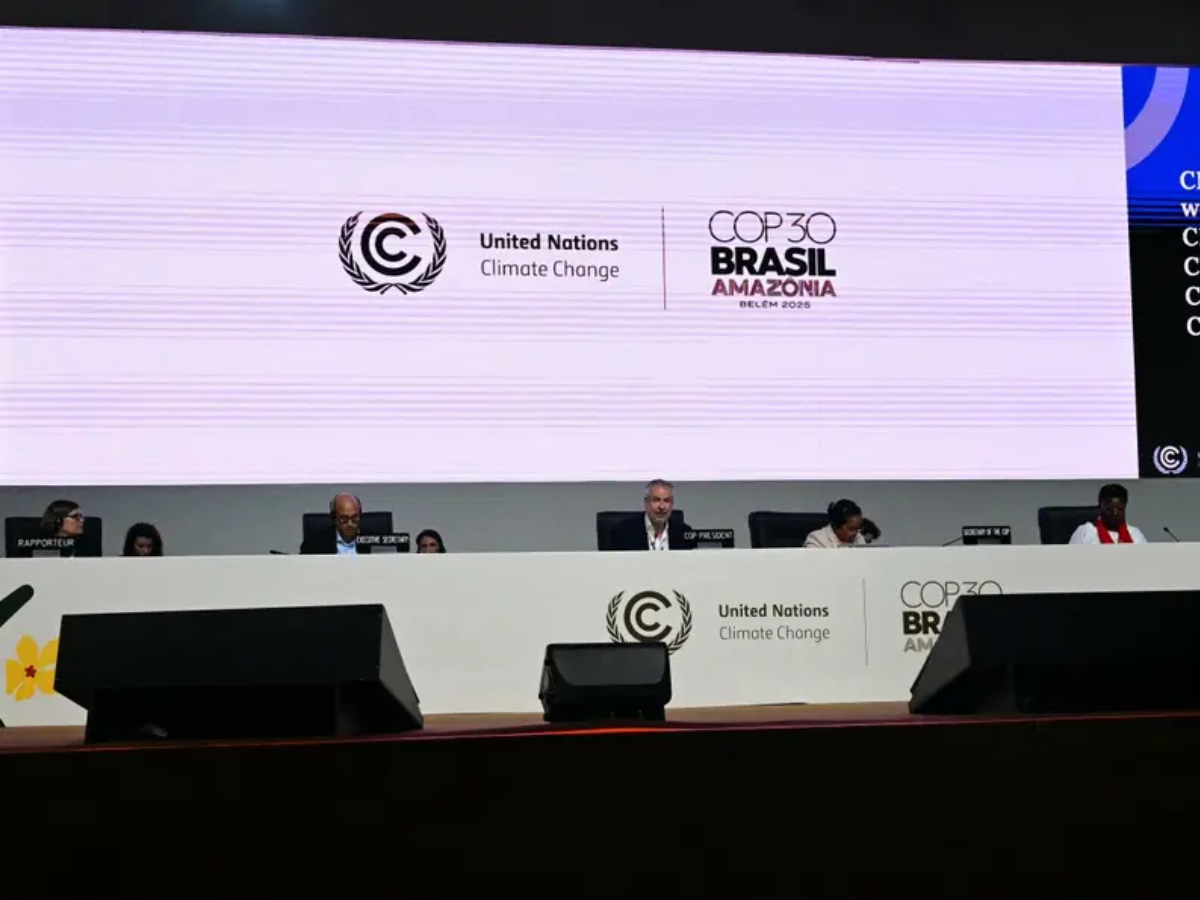
The compromise that ended the COP30 summit in Belem was one that left many nations ill at ease. Nearly 200 countries, after days of tense discussions, agreed to a climate deal that avoided the one demand dominating the talks on a clear path to phasing out fossil fuels.
The outcome underlined a big divide between ambition and political reality with the United States staying away and President Donald Trump refusing to attend. What emerged was an agreement long on encouragement but short on obligation.
EU Push for Stronger Commitments Falls Short
The European Union had arrived in Brazil determined to secure a firm commitment from countries to scale down oil, gas and coal. Instead, negotiators were left accepting language far softer than they had pushed for.
The final document merely calls for countries to voluntarily speed up their climate efforts with a transition language agreed at COP28. EU delegates publicly expressed disappointment, admitting that while they had hoped for more decisive action and they eventually settled for what they described as a step in the right direction.
What is the Politics Behind the Setback
The opposition came from various quarters: Saudi Arabia, Russia and India resisted any binding language on the phasing out of fossil fuels, a position backed by a group of emerging economies. Their rationale was that such ambitious cuts, without adequate financial support from rich countries, would be unfair and unrealistic.
Brazil, on its part, was under threat from over 30 nations which promised to reject a deal without a fossil-fuel game plan. To avoid a breakdown, the hosts steered towards a compromise which not many loved but most accepted.
COP30 Summit: Money, Trade & Tension
Again, finance lay at the heart of the stalemate. Developing nations wanted firm commitments from richer countries to fund adaptation to climate change. The EU resisted what it saw as open-ended obligations.
ALSO READ: Australia, Canada & India Launch New Tech Alliance at G20 Summit to Boost Clean Tech & AI
Ultimately, negotiators agreed on a commitment to “at least triple” adaptation finance by 2035. There were also trade spats including China and others calling for language the EU opposed. The final text softens the issue and calling instead for continued dialogue.
COP30 Summit: A Fragile Consensus
The days in Belem were marked by protests, disruptions and fire alarms, mirroring the volatility inside the negotiating rooms. Leaders insisted that even an imperfect deal was better than none.
For Brazil’s President Lula, whose credibility hinged on the summit’s success, the agreement offered relief. And for countries like China, the outcome was hailed as proof that global cooperation, though strained is still possible.
ALSO READ: Who is Marjorie Taylor Greene? Net Worth, Family, Career, Controversy & More
Disclaimer: This article is an independent analysis based on publicly available information and does not represent the official views of any institution or government.