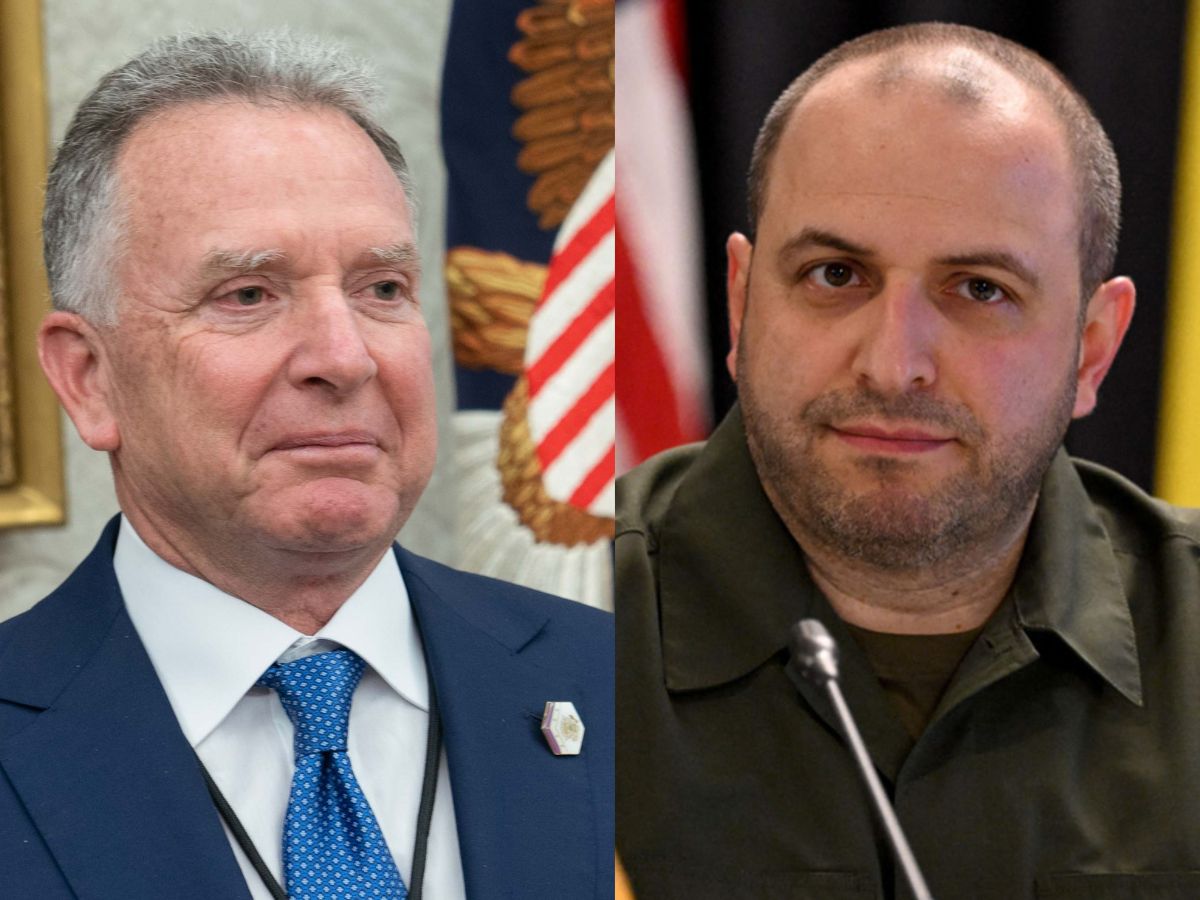
US Special Envoy Steve Witkoff is scheduled to meet Rustem Umerov, head of Ukraine’s National Security Council, in Miami on Thursday, the White House confirmed.
The meeting comes after Witkoff spent nearly five hours in Moscow with Russian President Vladimir Putin on Tuesday. The Kremlin described the talks as producing “no compromise” on ending the war in Ukraine.
US President Donald Trump called the discussions “reasonably good,” adding that “it does take two to tango” before any conclusion could be reached. Trump also said that both Witkoff and his son-in-law, Jared Kushner, believed Putin “would like to end the war.”
Meanwhile, Ukrainian Foreign Minister Andrii Sybiga insisted that Russia must “end the bloodshed”, accusing Putin of “wasting the world’s time.”
Earlier, Ukrainian President Volodymyr Zelensky had confirmed that US–Ukraine negotiations would take place in the coming days. On social media, he wrote, “Right now, the world clearly feels that there is a real opportunity to end the war,” while emphasizing that negotiations must be “backed by pressure on Russia.”
US-Russia Talks Highlight Ongoing Disagreements
The Moscow talks followed days of US discussions with Ukrainian and European leaders, amid concerns that a draft peace plan might favor Russian demands.
Kremlin spokesperson Yury Ushakov said some US proposals were “more or less acceptable” but others were criticized by Russia. Major sticking points remain:
-
The fate of Ukrainian territory seized by Russia
-
Security guarantees for Ukraine
Kyiv and European partners believe Ukraine must join NATO to prevent future aggression, a proposal strongly opposed by Russia. Trump has also indicated he does not plan to allow Ukraine’s NATO membership. According to the Kremlin, Ukraine’s NATO ambitions were a key question in Moscow.
Ushakov suggested Russia’s position had strengthened due to recent battlefield gains, claiming Russian forces helped “make the assessments of our foreign partners regarding the paths to a peace settlement more appropriate.”
Russian Advances and Military Messaging
Ahead of the US visit, Putin was filmed in army fatigues at a command post, being briefed on the reported capture of Pokrovsk in eastern Ukraine, as well as nearby areas. Fighting is ongoing, but Russian officials clearly intended to send a message of military progress.
Russian forces have seized 701 sq km (270 sq miles) of Ukrainian territory in November, bringing their control to 19.3% of Ukraine, according to the US-based Institute for the Study of War.
Despite tensions, the Kremlin said Putin is willing to continue meetings with US officials “as many times as needed.”
Rising Rift Between Russia and Europe
While US-Russia relations appear to be warming, Moscow’s relationship with Europe is deteriorating. Putin accused European nations of sabotaging peace efforts, placing unacceptable demands, and obstructing negotiations.
Before meeting Witkoff and Kushner, Putin told a Moscow forum he did not want conflict with Europe but was “ready for war.” UK officials dismissed this as “yet more Kremlin claptrap.”
Meanwhile, NATO foreign ministers in Brussels welcomed the peace talks but stressed that Ukraine must remain in “the strongest position to keep the fight going.”
Europe Moves Toward Energy Independence
EU member states agreed to end reliance on Russian gas by 2027, banning long-term gas pipeline contracts from September 2027 and LNG contracts from January 2027.
European Commission chief Ursula von der Leyen called it “the dawn of a new era”, and EU Energy Commissioner Dan Jorgensen said, “No more blackmail. No more market manipulation by Putin. We stand strong with Ukraine.”
The EU also proposed raising €90bn for Ukraine to fund military needs and basic services. The plan would rely on either Belgium using frozen Russian assets or international borrowing. Ukrainian Prime Minister Yulia Svyrydenko welcomed the proposal, noting it would cover two-thirds of Ukraine’s financing needs over the next two years.
UN Focus on Humanitarian Issues
At the United Nations in New York, the US and 90 other countries demanded that Russia “ensure the immediate, safe and unconditional return of all Ukrainian children” who have been deported.
Ukraine reports over 19,000 children forcibly sent to Russia, while the UK estimates around 6,000 children relocated to re-education camps. In 2023, the International Criminal Court issued an arrest warrant for Putin in part over these deportations, which Russia denies.
Looking Ahead
As US, Ukrainian, and Russian diplomats continue negotiations, major obstacles remain on the table, including territorial disputes, security guarantees, NATO membership, and humanitarian concerns. At the same time, Europe is taking steps to strengthen energy independence and financial support for Ukraine, signaling a multifaceted international effort to influence the course of the war.
Also Read: IndiGo Turmoil Explained: Why IndiGo Cancelled 150 Flights & Why More Disruptions Are Likely