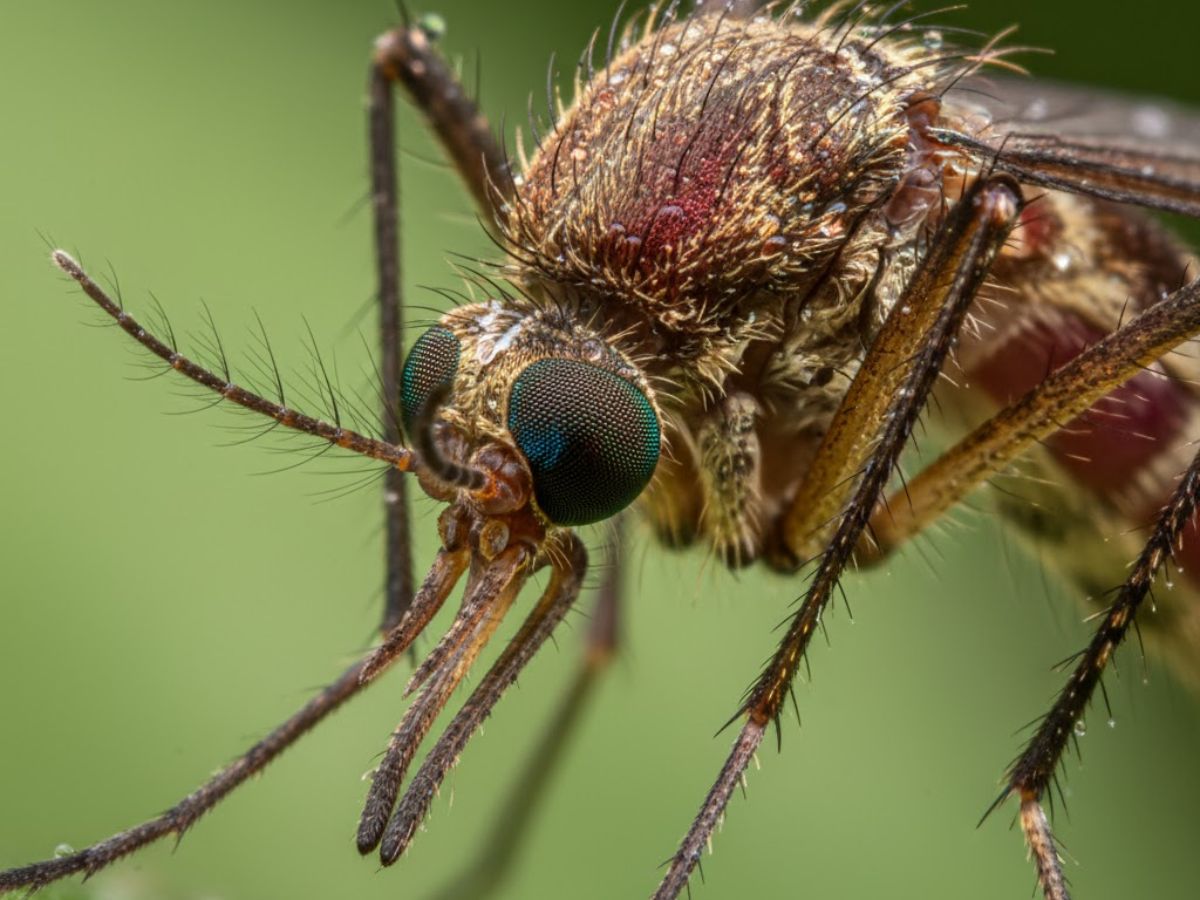
Scientists have verified the finding of wild mosquitoes in Iceland, marking a first in history. This finding ends the nation’s long-standing reputation as one of the only mosquito-free places on Earth. The finding prompts serious concerns about the effects of our shifting global climate on even the most remote habitats.
Who Made the Discovery and How?
The discovery began not in a laboratory, but in a private garden. Local insect enthusiast Björn Hjaltason was using wine-soaked ropes to attract moths in the town of Kiðafell when he spotted unfamiliar insects. Over several nights, he managed to catch three specimens—two females and one male. His curiosity led him to share pictures in a Facebook group dedicated to Icelandic wildlife, which set the stage for a scientific confirmation.
This citizen science effort reached entomologist Matthías Alfreðsson from the Natural Science Institute of Iceland. Alfreðsson verified the revolutionary news after looking at the specimens. “It is undoubtedly Culiseta annulata, a cold-tolerant mosquito species found in northern Europe,” he said in an interview with CNN, providing the conclusive identification. This is the first time that mosquitoes have been confirmed to spawn and live in Iceland’s natural habitat.
What Does This Discovery Truly Mean?
For many years, Iceland and Antarctica were thought to be the last significant landmasses to be mosquito-free. This occurred because they lacked steady standing water for breeding and had a severe, erratic environment. The arrival of Culiseta annulata shatters that record. But does this mean Iceland is now full of mosquitoes?
Scientists urge caution. “This particular mosquito can survive winters by sheltering in protected places. It doesn’t necessarily mean they’ve established a permanent population yet, but it shows the conditions are now occasionally suitable for them,” Alfreðsson explained. The concern is that what was once an impossible environment for mosquitoes is now becoming occasionally hospitable. The insects likely arrived via ships or aircraft, but the changing climate may be what allows them to stay.
Is This a Warning Sign of Climate Change?
Many experts believe the discovery could be a sign of more significant changes in the ecosystem. Iceland recently experienced record-breaking heat, with May temperatures soaring above 26°C. Such unseasonable warmth creates a more welcoming habitat for insects that previously could not survive there.
Colin J. Carlson, an assistant professor of epidemiology at Yale University, contextualized the find for CNN. “Even if climate change isn’t the sole cause, rising temperatures make introductions like this more likely,” he said. “It’s a reminder that environmental boundaries we once thought were fixed are beginning to shift.” This event signals that no country, no matter how geographically unique, is entirely insulated from global ecological changes.
Should Residents Be Worried About Health Risks?
A immediate question for many is whether these new mosquitoes pose a health threat. Health authorities have provided reassuring news on this front. The Culiseta annulata species is not a significant vector for dangerous tropical diseases like malaria, dengue, or Zika. Its presence is more of an ecological and nuisance issue than a direct public health crisis. However, scientists emphasize the need for continued monitoring to see if the species can survive the winter and establish a permanent population, which would fundamentally change Iceland’s ecosystem.