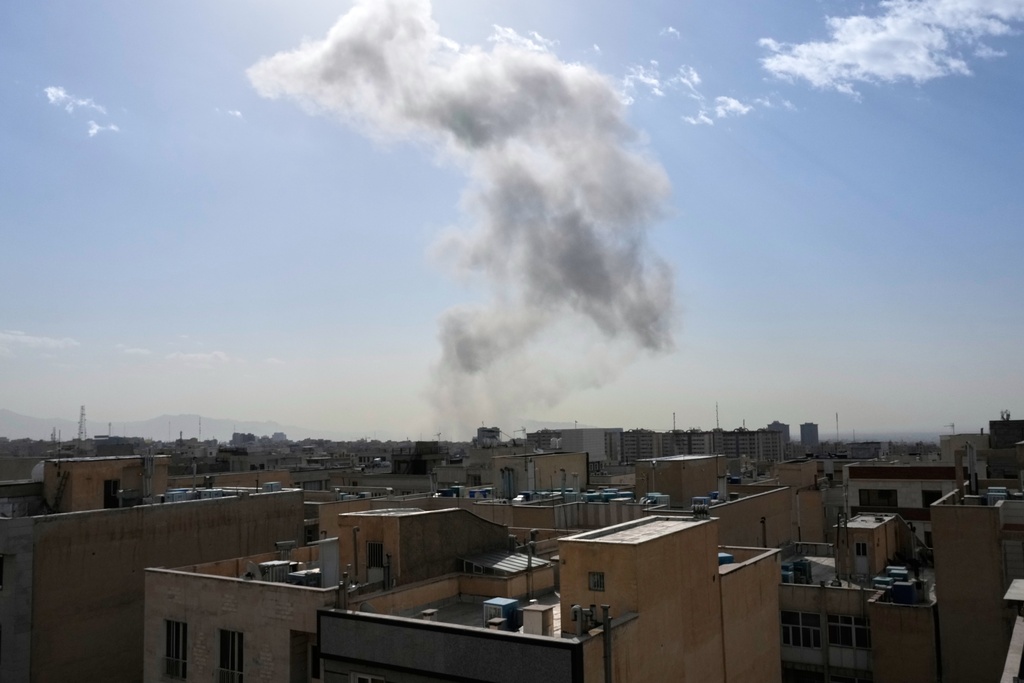
NEW DELHI: The shadow war is no longer a shadow.
What for years simmered through cyberattacks, proxy militias, covert strikes, and diplomatic brinkmanship has erupted into something far more visible—missiles in the sky, sirens in the streets, leaders trading threats in language stripped of subtlety. The triangle between the United States, Israel, and Iran has entered one of its most volatile phases in decades.
At the centre of it all lies a long and bitter rivalry. Iran’s post-1979 leadership has defined Israel as an adversary; Israel, in turn, has treated Tehran’s regional reach and nuclear ambitions as existential threats. Washington, bound to Israel through strategic and military commitments, has oscillated between deterrence and direct involvement. Now, with open strikes and retaliatory warnings, the lines are sharper than ever.