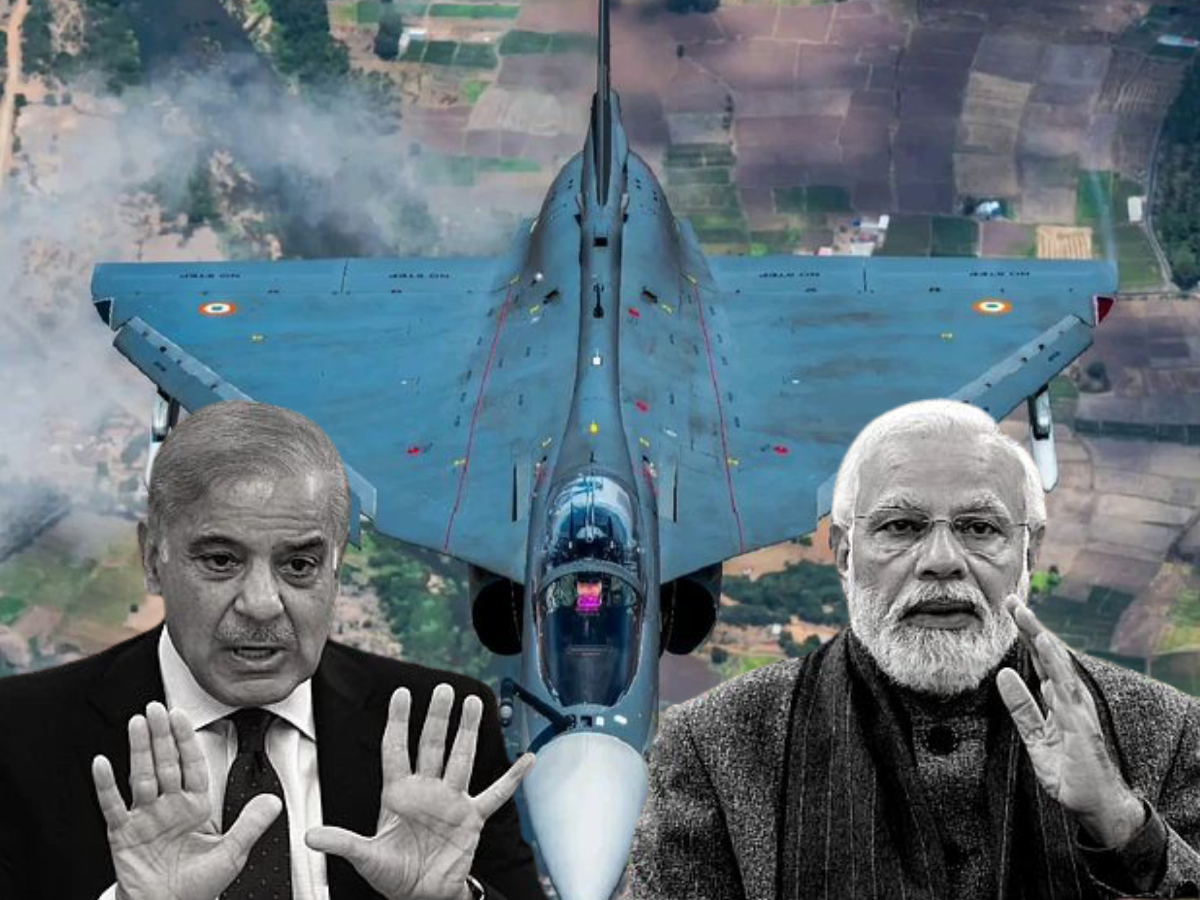
The recent crash of an Indian Air Force Tejas aircraft during an aerobatic display in Dubai was a moment of deep loss for the aviation community. The death of the pilot and dramatic visuals that followed raised difficult questions.
But as the facts began to settle, an unexpected wave of online commentary from Pakistan sought to push the narrative far beyond the incident itself, framing it as evidence that the Tejas programme is fundamentally unsafe.
Closer examination suggests this interpretation does not match aviation standards or the broader context in which fighter aircraft are evaluated.
Fact Check: Does One Crash Indicate Aircraft Failure?
The implication of this story was clear as the crash proves that Tejas is unsafe. As a fact, this simply does not hold up. Air-show manoeuvres involve flying at low altitude and high levels of stress on the aircraft, making them far riskier than routine missions.
Early reports from aviation experts point towards spatial disorientation-a known hazard across all fighter platforms. There is no public evidence to suggest a structural or systemic fault in the Tejas aircraft.
How Air-Show Risk Beyond National Rivalries
Air-show displays involve flying at the edge of an aircraft’s performance envelope, and history shows that even the most reliable platforms have suffered accidents in such conditions.
ALSO READ: Hayli Gubbi Volcano Erupts After 10,000 Years: How Will the Ash Cloud Impact Indian Cities?
Reports indicate spatial disorientation as a possible factor in the Dubai crash a known hazard during low-altitude manoeuvres. Global aviation authorities treat such events as operational risks rather than design failures.
Context from International Aviation Incidents
Various accidents involving F-16s that happened recently in Europe and the United States were due to similar causes.
These incidents did not raise any questions over the aircraft’s reliability. When analysing air-show crashes, aviation experts look into the flight conditions, the workload of the pilots and other environmental factors-not geopolitical rivalry or political sentiment.
Tejas & Its Record in Perspective
Over the last two plus decades of service, the Tejas programme has completed thousands of flying hours, with only two major incidents. The expanding operational profile within the Indian Air Force, continued orders of the government and growing interest from foreign air forces are reflective of confidence built on technical performance rather than perception.
ALSO READ: Fact Check: Is Mark Kelly Under Investigation? Pentagon Responds After Trump’s Sedition Claim
Why Online Narratives Won’t Shape Defence Decisions
While reactions on social media platforms were swift, defence procurement is based on data, support structure and long-term capability. Countries that are considering Tejas will do so based on testing, cost and industrial partnerships. These are the aspects where the online narrative emanating from a regional rivalry is unlikely to impinge.
Programme That Continues to Move Forward
The loss of an aircraft and a pilot is a serious moment for any air force. But as investigations proceed, the larger trajectory of India’s indigenous fighter programme remains unchanged.
The Tejas platform will keep evolving, and its reputation will be shaped by verified evidence, operational performance and expert evaluation-not by reactionary commentary.
ALSO READ: Canada’s New Bill C-3 Restores Citizenship Rights for Thousands Born Abroad Since 2009
Disclaimer: This article offers an independent, fact-based analysis of the Tejas incident and does not reflect endorsement of any political or national narrative.