
Albania Recruits AI-Governance
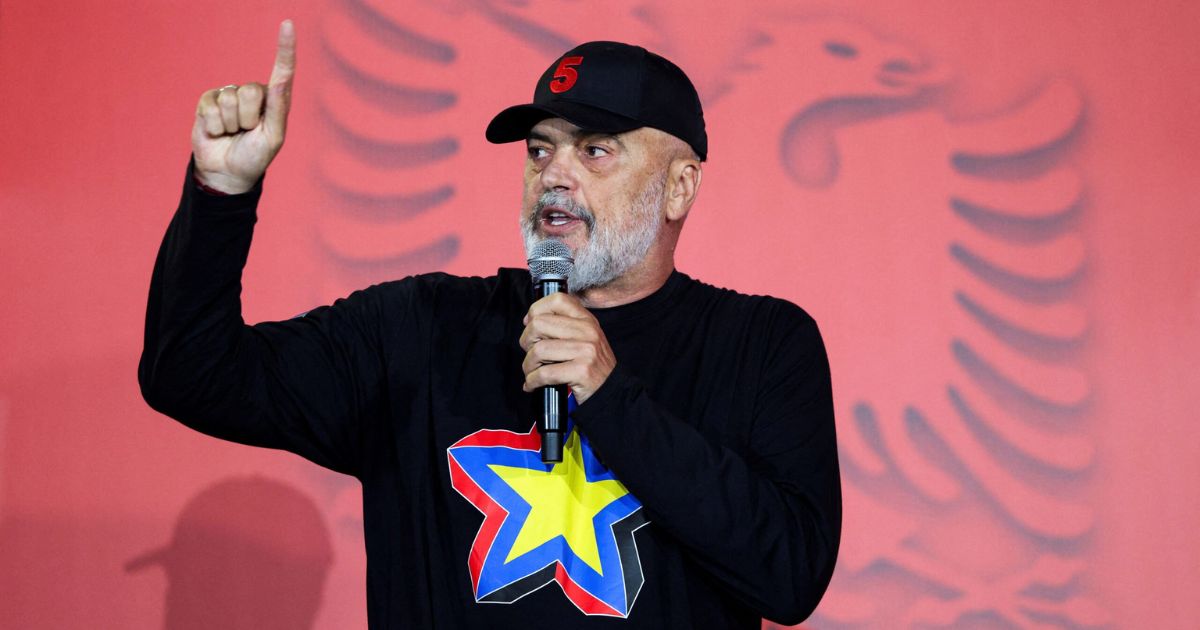
Albania has made headlines for becoming the first to have an artificial intelligence guided virtual minister. Prime Minister Edi Rama unveiled Diella, a virtual member of the cabinet, to oversee government tenders to root out corruption in public purchasing one of the country’s most enduring issues in governance.
Rama named Diella, meaning “sun” in Albanian, a “virtual guardian of transparency.” She will supervise government contracts, looking to keep tenders free of corruption. Illustration of a woman wearing traditional clothing, Diella has been available on the e-Albania portal since January, first allowing citizens and companies to access state documents.
A Strategic Push For EU Membership
The reform is part of Albania’s efforts to speed up institutional transparency to reach the European Union’s governance standards before it achieves its 2030 membership target. Transparency International’s 2024 index placed Albania at number 80 among 180 countries, highlighting the need to address corruption.
Dikshu C Kukreja, Albania’s Honorary Consul General to India, welcomed the initiative as “a concrete illustration of accountability and advancement.” He contended that integrating AI into government reflects Albania’s seriousness about EU reforms, bypassing promises on paper to tangible structural transformation.
ALSO READ: NATO Launches ‘Eastern Sentry’ After Russian Drones Breach Polish Airspace
Challenges, Safeguards, And Global Lessons
Whereas most greet the innovation, legal experts and critics raise questions about how Diella fits into Albania’s law book. Article 132 of the constitution prohibits former judges from joining government, eliciting debate on whether the same could be applied to AI representatives.
Doubters on social media cautioned that even AI might be “corrupted in Albania.” Kukreja, however, put stress on the fact that Diella’s design includes safeguards, audit trails, and oversight mechanisms to prevent political interference.
The action also has international implications. It is hoped that India, with its growing AI ecosystem, might take a lesson from Albania’s experiment by making procurement statutes open and machine-readable and releasing algorithmic logs for auditors to examine independently.
A Pioneering Experiment In Democracy
Albania’s experiment is not only a technological innovation it’s an ambitious effort to remake government. If it works, Diella would establish a precedent for other countries struggling with deep-seated corruption, mixing automation with accountability to restore public confidence.