
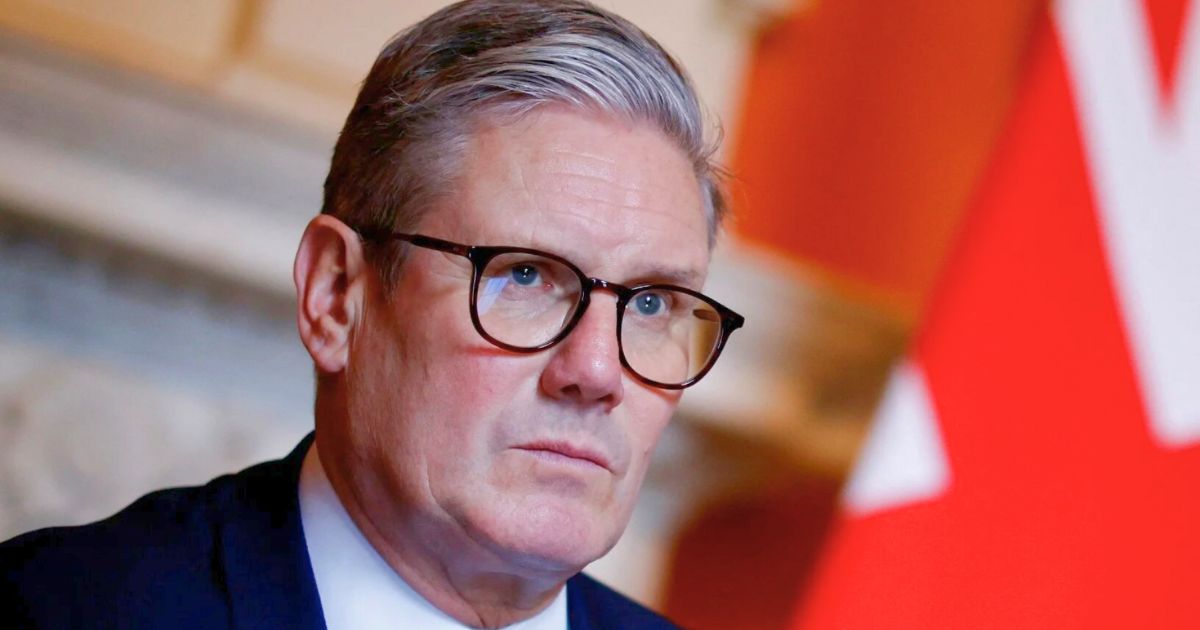
British PM Keir Starmer is facing mounting pressure to recognize the state of Palestine. This follows French President Emmanuel Macron’s announcement that France would recognize Palestine at the UN General Assembly in September. As the Gaza humanitarian crisis deepens, more than 125 MPs from the UK and influential Labour voices are calling for action now.
Meanwhile, PM Starmer prepares to meet Donald Trump, who remains close to Israeli PM Netanyahu and opposes Palestinian statehood. Caught between domestic support and international caution, Starmer must now decide whether to seize a historic moment or stay on the sidelines.
France Leads, Eyes Now on the UK
On 24 July, President Emmanuel Macron announced France would support Palestinian statehood at the UN in September. This would be the first G7 country to formally recognize Palestine. Macron’s declaration has put pressure on the UK, which has endorsed a two-state solution since 1980 but never proceeded with recognition.
France and the UK had committed to cooperating on the Israel-Palestine file. Now everyone waits to see if Starmer will do the same. Palestinian officials and Arab nations such as Saudi Arabia hailed Macron’s position. The US and Israel, on the other hand, denounced it vehemently.
Internal Voices Grow Louder
Inside the Labour Party, voices are rising for recognition. Labour MP Sarah Champion initiated a cross-party letter signed by more than 100 MPs. They contend that the UK has a historical obligation to act, citing the Balfour Declaration. London Mayor Sadiq Khan and the Trades Union Congress have added their voices. So have senior cabinet members, such as Health Secretary Wes Streeting and Justice Secretary Shabana Mahmood.
Even the religious and diplomatic leaders, such as the Archbishop of York and more than 30 previous ambassadors, have called for action, expressing mass starvation and Gaza’s worsening state.
Starmer’s Public Stand and Political Caution
PM Keir Starmer has labelled Palestinian statehood an “inalienable right.” He also criticized the “unspeakable and indefensible” Gaza blockade. Nevertheless, he maintains that recognition must occur through a formal peace process for it to be meaningful. Foreign Secretary David Lammy and Technology Secretary Peter Kyle are in favour of this strategy.
Opponents caution that this course of action threatens to let the moment pass completely. They say an ongoing delay could leave nothing of Palestine to recognize.
Trump’s Shadow Casts Over the Choice
Donald Trump is scheduled to travel to Scotland and potentially meet Starmer on his UK visit. Trump, a strong ally of Netanyahu, will most likely pressure Starmer against any form of recognition.
The UK is, in the meantime, supporting US efforts, together with Qatar and Egypt, to facilitate a Gaza ceasefire. Starmer will likely bring up humanitarian issues with Trump, but risk alienating US relations if he proceeds with recognition.
Which Side of History Will Starmer Choose?
PM Starmer’s party is still split. Pro-Israel voices across Labour contend that unilateral recognition would break the Oslo Accords and undermine UK credibility. Yet, many think only a Labour government has the political leeway to make this drastic move. If Starmer does not go through with it now, critics caution he may be losing a once-in-a-generation chance.
In the end, Starmer has to choose, wait for a peace process that never comes, or act now and redefine UK foreign policy.