
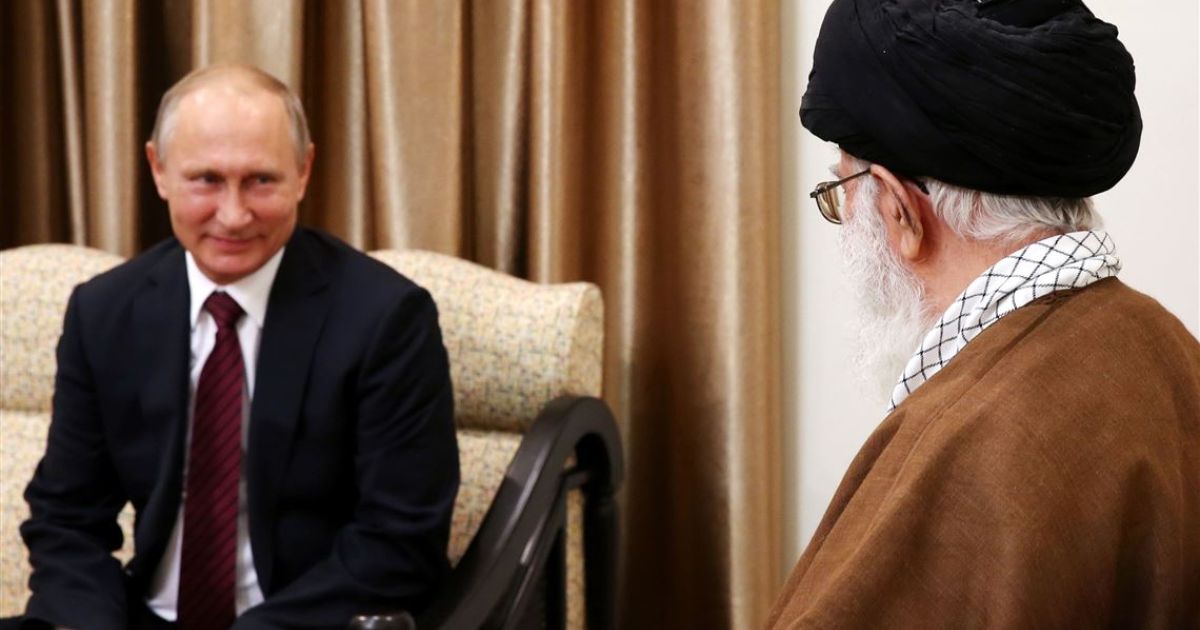
Russia has moved silently on its stance on Iran’s nuclear program. President Vladimir Putin now endorses a “zero enrichment” nuclear agreement that would prevent Iran from enriching uranium at all. Putin made this position known to US President Donald Trump and French President Emmanuel Macron in recent phone calls, Axios reported.
The Kremlin also transmitted the message to Iranian authorities several times over recent weeks. This shift comes after the 12-day Iran-Israel clash revealed fault lines in Tehran-Moscow relations. Russia’s new stance puts pressure on Iran as the US tries to resuscitate deadlocked nuclear negotiations.
Putin’s Message Reaches Several Capitals
Diplomats say that President Vladimir Putin informed the Americans and Europeans that Iran must abandon uranium enrichment entirely. A European diplomat confirmed that Putin asked Tehran to do this to make its negotiating position more attractive to Washington. But Iranian officials rejected the proposal outright.
Two other sources noted that the Kremlin even notified the Israeli government of its stance. An Israeli senior official affirmed, “We know this is what Putin said to the Iranians.” This backroom diplomacy indicates a more profound shift in strategy from Moscow, which has long advocated for Iran’s right to enrich under international law.
US Prepares Push, Iran Resists Pressure
US President Donald Trump has shown interest in a fresh nuclear agreement with Iran. US officials are about to seek a zero enrichment requirement should negotiations continue. However, Iran remains firm that it will not forgo its ability to enrich uranium, even under international supervision. Nevertheless, Russian officials are still urging Iran to make concessions in an attempt to open up negotiations with the US.
Even Putin’s change of heart has not moved Tehran. Iranian leaders are still wary of the West, and Russian pressure merely fueled the tensions.
Alliance Strained After Israel War
Iran and Russia have collaborated closely in the Ukraine conflict. Tehran has supplied drones and missiles to Moscow. But since the recent Iran-Israel war, Iranian leaders were dismayed at the meager response from Russia.
That frustration might have increased the gap. Russia’s new nuclear posture now adds a new layer of tension. But Moscow has presented the possibility of assistance if Iran agrees to a deal. Russia is prepared to accept Iran’s highly enriched uranium and provide it with reactor-grade fuel, 3.67% for electricity and small quantities of 20% uranium for research.
Talks Search For New Venue
Meanwhile, behind-the-scenes diplomacy is ongoing. US diplomat Steve Witkoff has already discussed restarting talks with Iranian Foreign Minister Abbas Araghchi. Oslo was mooted as one potential venue. But now both sides seem reluctant. They are seeking a new venue for resuming high-stakes nuclear negotiations.
Putin’s subtle shift has left Tehran, Washington, and Tel Aviv stunned. Whether it will produce a breakthrough—or widen the rift—only time will tell.