TikTok Undergoes Criminal Investigation
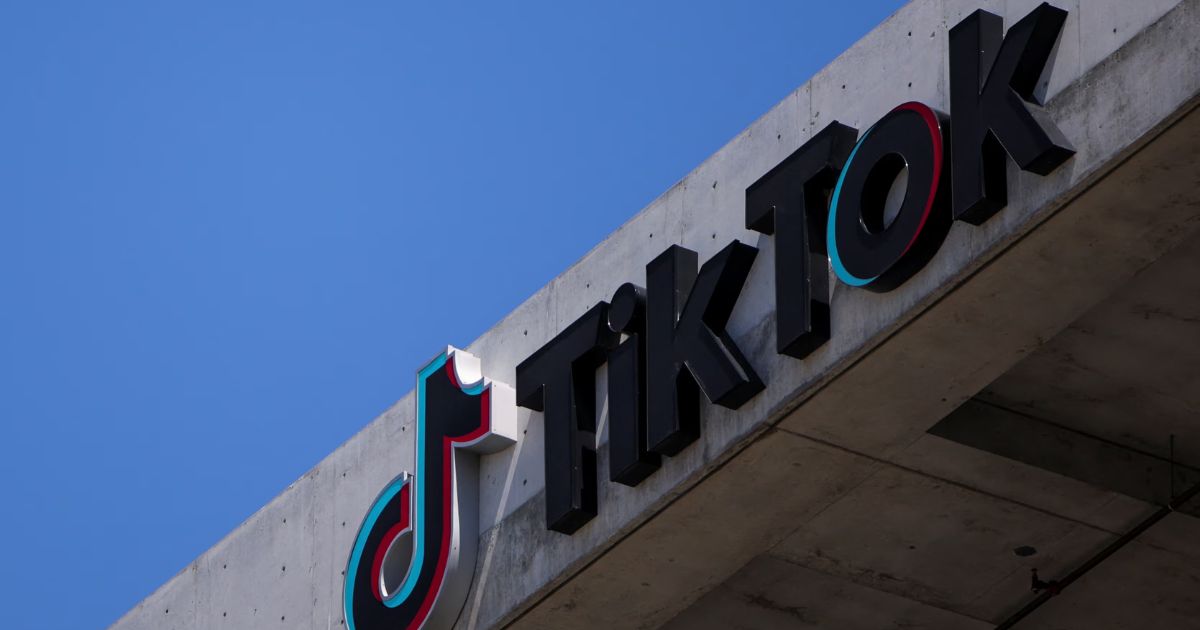
French legislators are requesting a criminal investigation into TikTok, claiming the social media app has put the lives and well-being of its young users at risk. Socialist legislator Arthur Delaporte, who chairs a parliamentary committee examining the app’s impact on children, said Thursday he has officially referred the matter to the Paris public prosecutor.
Delaporte stated, “The verdict is plain: TikTok intentionally put at risk the lives and health of its users. That is why I have made the decision to refer the issue for criminal consideration.” He implied that executives from TikTok can be charged with perjury for lying about not knowing the harm they were causing when evidence implied otherwise.
TikTok strongly refuted the charges. The company’s spokesperson, in a statement, said, “We reject completely the Commission’s disingenuous presentation, which aims to make our company the scapegoat for problems that affect the whole sector and society at large.” They highlighted the platform’s “demanding” user protection policies, such as security features specifically created for teenagers and family settings.
Recommendations to Protect Minors
The committee, formed in March after a lawsuit from seven families claiming TikTok was exposing kids to suicidal content, released its proposals along with its conclusions. Among its suggestions, youngsters under 15 must be barred from social media, and people between 15 and 18 must receive a night-time curfew, restricting access from 10 p.m. to 8 a.m.
The legislators said these steps are intended to reduce psychological pressures and risks for children using the platform. Delaporte’s committee emphasized the influence of social media on mental well-being is an increasing concern that calls for both legal regulation and public education.
ALSO READ: France: “Block Everything” Protests Spark 300 Arrests Amid 80,000-Strong Police Deployment
Extended Debate on Social Media Regulation
France is not the only country to look at TikTok and social media generally with suspicion. A number of European nations and Australia considered restricting or regulating child use of social media. French President Emmanuel Macron in June suggested banning social media altogether for children under the age of 15, after a school stabbing in eastern France highlighted worries that children were being exposed to inappropriate online content.
The result of the review by the Paris prosecutor could set an important precedent for holding social media platforms accountable for content and its impact on children. For TikTok, the investigation adds to international pressure to reinforce protections on children.