Anti-Government Protests Turn Violent in Belgrade
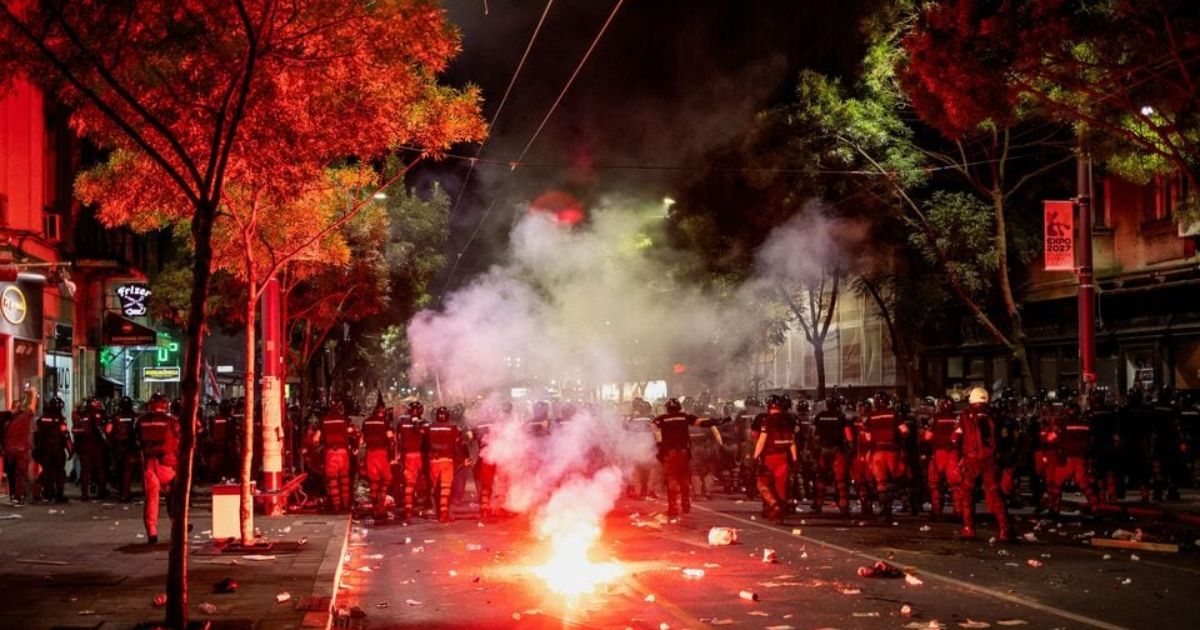
Teargas and crowd dispersal vehicles were used by the police of Serbia Friday night to drive out protesters in the capital, Belgrade, a sudden escalation of nearly a year of government protests. The violence started outside the army headquarters, which was bombed by NATO forces in 1999, where protesters hurled flares and firecrackers at police officers. A tree and trash bins were then set on fire before teargas was used by authorities to repress the crowds.
It also erupted in other cities, such as Novi Sad, Nis, Kragujevac, and Valjevo, where tear gas was used to disperse crowds. Authorities have not reported any numbers on injuries, but the marches come after bloody confrontations earlier this week left 27 police officers and approximately 80 civilians injured, with 47 arrested.
Protesters Call for Responsibility and Early Elections
The demonstrations first broke out over the deaths of 16 individuals when a roof fell at a refurbished railway station in Novi Sad due to alleged corruption and negligence. Students, opposition parties, and anti-graft groups called for early elections as a means of toppling President Aleksandar Vucic and his Serbian Progressive Party (SNS).
Protesters have accused Vucic and his allies of links to organized crime, suppressing media freedoms, and using violence against political opponents claims the government denies. “Every evening we deploy 3,000 policemen across Serbia, they are being beaten and injured,” Vucic told RTS TV Friday, defending the police response.
ALSO READ: Deadly Shots In Orebro: Sweden Gang Ties Suspected Near Mosque, City On Edge
International Concerns Over Police Conduct
Human rights organizations have raised alarm at the mounting clashes. Michael O’Flaherty, Council of Europe Commissioner for Human Rights, condemned the use of force, especially in Valjevo on Thursday, calling on authorities to refrain from excesses, to stop arbitrary detention, and to de-escalate tensions.
With Serbia under increasing public outrage and international observation, the demonstrations are still going strong, emphasizing the tenuous equilibrium between demands for accountability by citizens and government dominance.