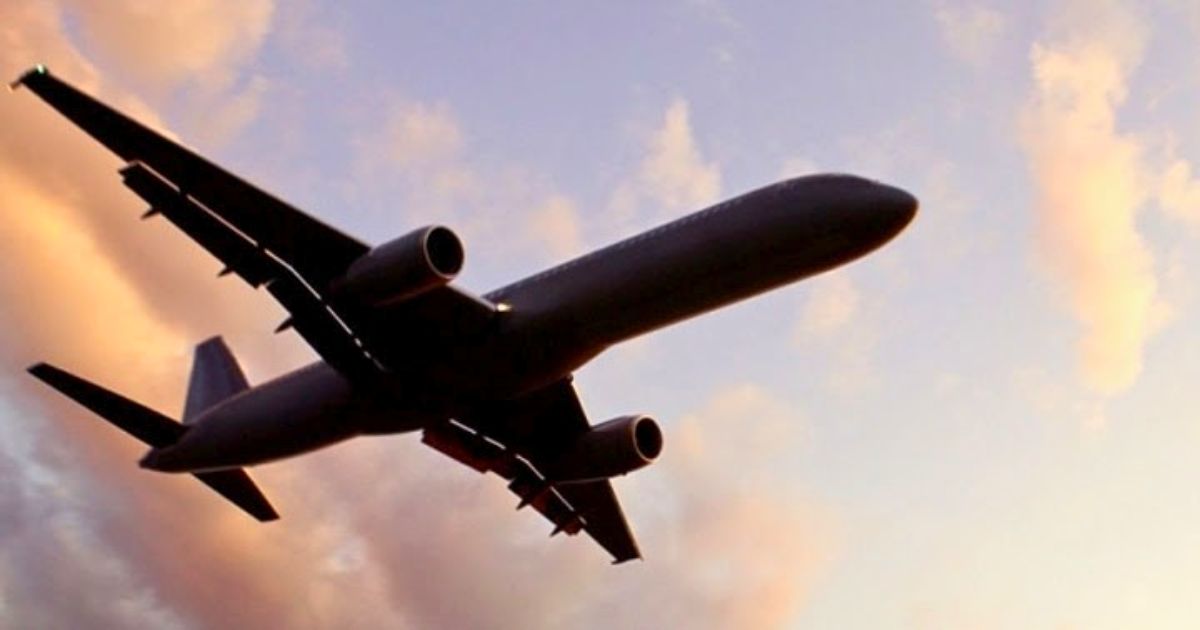
A Russian passenger flight carrying almost 50 passengers has disappeared in the sparsely populated Amur region of far eastern Russia. The Antonov AN-24, flown by Angara Airlines, lost radio contact with air traffic controllers only a few kilometres from its destination, Tynda, a small railway station near the border with China.
The flight departed from Khabarovsk and was approaching the final stages of its journey when it disappeared from radar. Rescue operations have been initiated, but no wreckage or distress signals have been received until now.
Final Minutes Before Disappearance
The aircraft was on descent to Tynda when the plane inexplicably disappeared from radar, Russian air traffic authorities and news agencies Interfax and SHOT reported. The accident occurred on Thursday morning, July 24. The AN-24 had most of the flight behind it and was minutes away from landing. The weather in the region was said to be normal, although search parties now have to navigate dense forests and mountains.
SHOT informed that the plane was “only a few kilometres away” from touching down when contact was lost. This information has raised speculation that an acute malfunction or terrain-related event might have taken place in the last part of the descent.
Aircraft Details and Operator
The lost plane is an Antonov AN-24, a Soviet-era twin-turboprop that has been working for Russian regional airlines for decades. Although recognised for its hard-wearing durability, the aircraft model is outdated by contemporary standards. Irkutsk-based Angara Airlines operates AN-24s regularly on routes across Siberia and Russia’s Far East.
The operational safety of the AN-24 has previously been questioned. In 2011, another AN-24 operated by Angara had to make an emergency landing on the Ob River following a fire in one of its engines. No technical problem with this specific aircraft was reported before Thursday’s disappearance, though.
Different Passenger Numbers
Multiple sources provided different accounts of the number of passengers and crew on board. Reuters and Interfax quoted “about 50” passengers and crew, whereas other news agencies, such as APA, reported 43.
Official passenger manifests have not been released by the authorities yet. Nevertheless, general agreement is that between 46 and 50 people, including crew members, were on board the flight.
Search and Rescue Challenges
Search operations were initiated the moment contact was lost. Russian rescue services sent helicopters, drones, and search teams into the densely forested and mountainous area surrounding Tynda. After several hours of effort, no wreckage has been sighted as of yet.
The landscape surrounding Tynda is notoriously challenging, with bad road access, few airstrips, and limited satellite coverage. These circumstances are hindering initial rescue operations. There has been no indication of an emergency beacon being triggered, and this is also part of the enigma.
Broader Aviation Concerns
The crash highlighted continued fears over the ongoing operation of aged Soviet aircraft on regional flights. The AN-24 first entered service in the 1960s. While most airlines have retired the type, some Russian regional carriers have it in service because it can fly on unpaved strips and in rugged terrain.
Russian air authorities will launch a full investigation when the plane is found. Recovery of black boxes and voice recordings will be essential to know what occurred in the last moments of the plane.
What’s Next?
Rescue crews are widening the search perimeter. Officials are employing satellite tracking, infrared scanning, and aerial patrols. Relatives of the passengers are being notified, and support centres have been opened in Khabarovsk and Tynda.
The fate of passengers and crew is not yet known. Operations are currently in the hands of the Russian Ministry of Emergency Situations with utmost urgency. Reports are to be expected upon finding wreckage or signals.