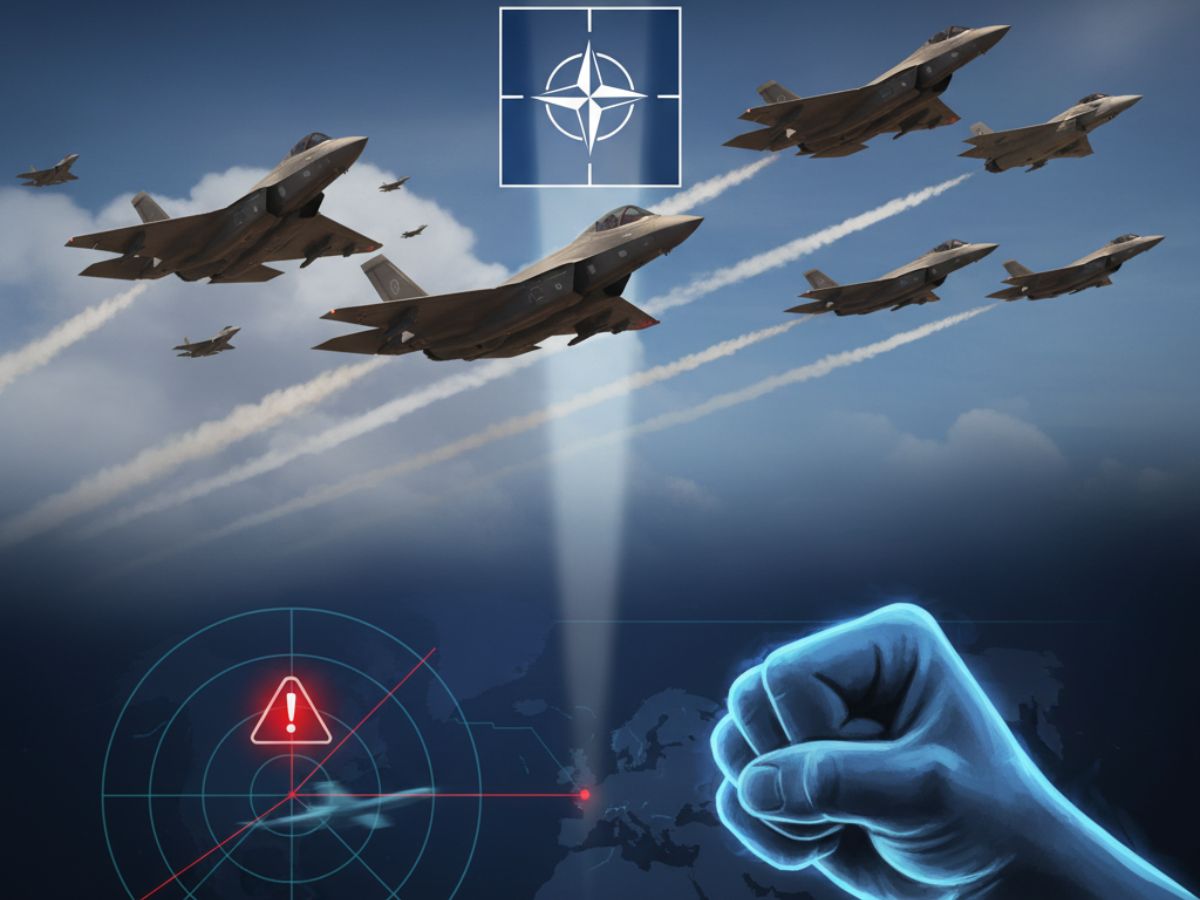
European diplomats have delivered a stark warning to Moscow, signaling that NATO is prepared to respond with “full force” if Russian aircraft continue to violate alliance airspace. During a tense meeting in Moscow this week, a stern message was delivered, signaling a dangerous new chapter in Russia-West tensions.
What Warning Was Delivered in Moscow?
According to officials familiar with the exchange, envoys from the United Kingdom, France, and Germany met with Russian officials and issued an unambiguous ultimatum. They stated that NATO would not tolerate further incursions by Russian fighter jets or drones into member states’ airspace. The officials, who spoke on condition of anonymity, indicated that the warning was a direct response to a recent series of violations that NATO believes are deliberate provocations ordered by Russian military commanders. The meeting concluded that these were not accidental strayings but calculated tests of the alliance’s resolve.
What Recent Incidents Have Occurred?
NATO’s eastern flank has experienced a sharp increase in airspace violations in recent weeks. The immediate trigger for the diplomatic warning was an incursion last week by three Russian MiG-31 fighter jets over Estonia. This follows other concerning incidents:
Poland: Investigation of a Russian drone incident.
Romania: Reports of Russian drones being spotted.
Denmark: Drone sightings that caused air traffic disruptions have been disputed by the Kremlin.
This trend points to a concerted effort to test NATO’s defenses while Russia is stepping up its assaults on Ukraine.
Also Read: At a Cost of 42 Cents, Musk’s xAI Wins US Government Contract Amid Trump- Elon Rift
How is NATO Responding to the Provocations?
The rise in violations has prompted top-level NATO discussions under Article 4, which lets any member call consultations if it feels its security or territorial integrity is at risk. It is a rare step; the mechanism has been used only nine times in NATO’s 75-year history. Danish Justice Minister Peter Hummelgaard framed the threat clearly, stating, “The intention is to create division and to make us scared. The threat from hybrid attacks is here to stay.”
How is Russia Justifying Its Actions?
Russian authorities have flatly denied the accusations. Kremlin spokesman Dmitry Peskov insisted that Russian military flights are conducted strictly according to international rules. During the Moscow talks, a Russian diplomat reportedly argued that the incursions were a response to Ukrainian attacks on Crimea, suggesting that NATO’s support for Ukraine makes European nations complicit in the conflict. Russian Ambassador to France, Alexey Meshkov, issued a stark counter-warning on Thursday, telling French radio RTL, “If NATO shoots down a Russian plane under the pretext of an alleged violation of its airspace, this will be war.”
Also Read: Know the Best and Worst States for Repaying Your Student Loans | New Data Reveals
Is NATO United on How to Respond?
Significant disagreements within the alliance on the proper course of action have been exposed by the crisis. Two major camps exist:
The Hawkish Stance: Leaders such as Poland’s Donald Tusk have pushed for hardline measures, even suggesting shooting down intruding aircraft—a stance echoed by the Trump administration, which advocates projecting strength.
The Cautious Stance: Other important figures advise moderation. German Defense Minister Boris Pistorius stressed that shooting at Russian jets could fall into Putin’s hands by offering a reason to escalate the war. Italian Prime Minister Giorgia Meloni joined in stressing restraint.
The divergence reflects NATO’s balancing act, showing strength to prevent further hostilities while steering clear of a dangerous confrontation with a nuclear-armed adversary. As Lithuanian President Gitanas Nauseda observed, “Russia is testing us, testing our preparedness, testing our commitment to retaliate. I think it’s very important to show the solidarity — and even more important, fast reaction.” The alliance’s next move will be critical in determining whether this tense standoff de-escalates or spirals further.