
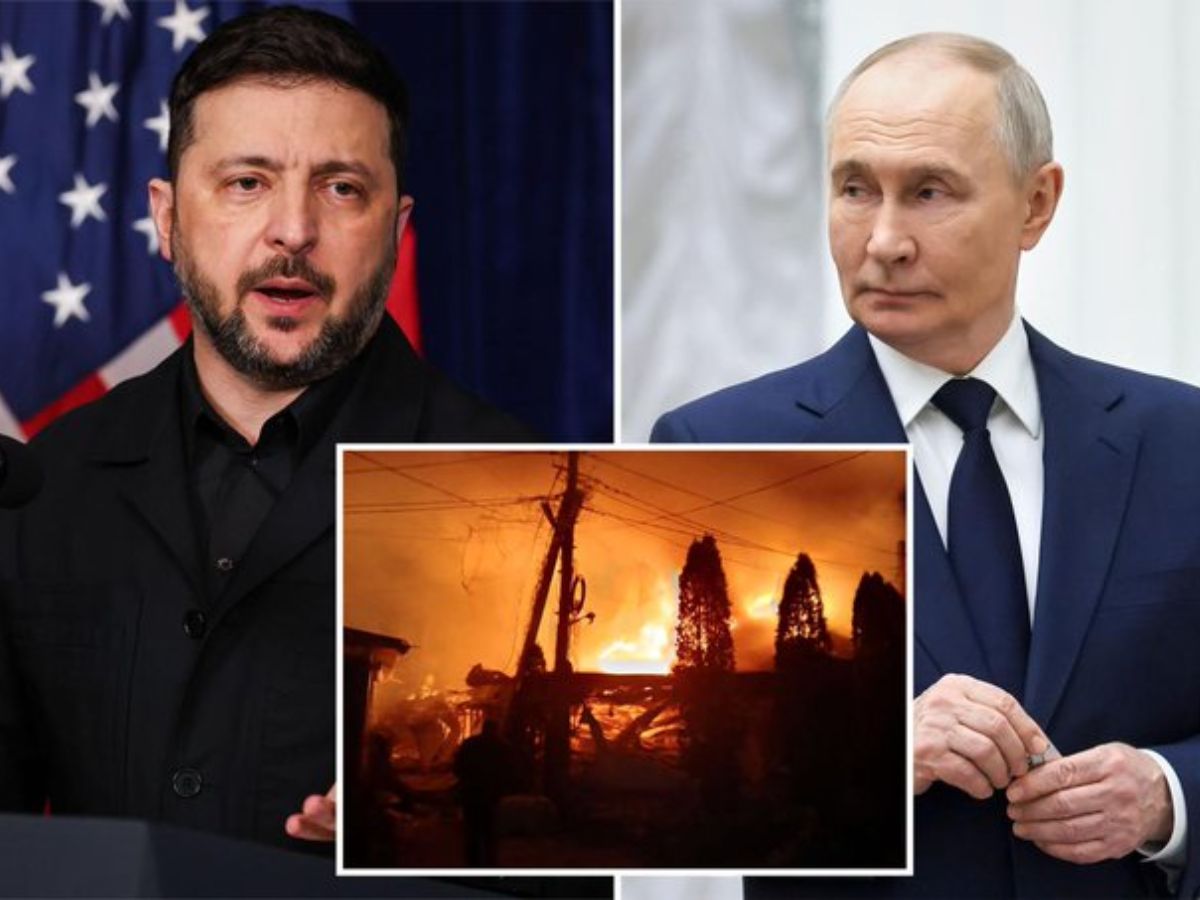
Ukrainian President Volodymyr Zelensky delivered a firm message as critical peace negotiations with Russia continue: Ukraine wants an end to the war, but not at any cost. In his New Year’s address, he said peace must be durable and protect Ukraine’s independence, even as diplomatic efforts inch closer to an agreement.
Zelensky’s speech came amid ongoing fighting and renewed diplomatic engagement involving the United States, Europe and Kyiv. He stressed that 90% of a peace deal framework is complete, but the remaining 10% related to security, territory and guarantees, will shape the future of Ukraine and Europe.
‘Peace? Yes. At Any Cost? No’: Zelensky’s Core Message
In a core line from his speech, Zelensky asked what Ukraine truly wants from peace: “What does Ukraine want? Peace? Yes. At any cost? No,” he said.
He added, “We want the end of the war — not the end of Ukraine.” The president acknowledged that Ukrainians are tired after years of conflict, but insisted this fatigue should not be mistaken for a willingness to concede.
Zelensky rejected any agreement that could weaken Ukraine or simply delay the conflict. “Any signature placed on weak agreements only fuels the war,” he warned, underlining the need for lasting peace with solid guarantees.
90% Peace Deal Ready, but Key Differences Remain
Zelensky said that diplomatic efforts, including talks with international partners, have brought a peace deal “90% ready.” He said the remaining issues — likely centring on territory and security guarantees — are critical.
He emphasised that the remaining 10% will determine how people live and whether peace will truly hold. “Ten per cent of the unity and wisdom so desperately needed — Ukrainian, American, European, from the entire world.”
This reflects ongoing international efforts, including U.S.-backed diplomatic talks, to bridge gaps between Kyiv and Moscow. Officials, including special envoys, are working to develop security and de-escalation frameworks alongside the peace process.
Russia’s Actions Amid Negotiations
Even as diplomacy advances, the conflict continues on the ground. Russia and Ukraine have traded accusations of attacks on civilians and strategic targets, further complicating peace efforts. Both sides claim the other has launched lethal strikes, with each accusing its opponent of violating ceasefire hopes.
Moscow recently claimed Ukraine carried out a dragnet drone strike on a café and hotel in Russian-controlled Kherson, an allegation Kyiv and U.S. intelligence dismiss as false.
Diplomacy, Support and International Pressure
Zelensky’s approach balances diplomatic momentum with firm principles. He has engaged with U.S. representatives and allies to win backing for peace terms that include robust security guarantees and mechanisms to prevent repeat conflict.
While discussions continue, European leaders have reaffirmed support for Ukraine’s sovereignty and called for commitments that ensure peace is sustainable rather than temporary.
What Lies Ahead for Peace Talks?
The president’s message underscores Ukraine’s dual strategy: pursue peace actively while defending its core interests. By rejecting weak deals and reinforcing the need for solid guarantees, Zelensky aims to prevent future conflict flare-ups and safeguard Ukraine’s territorial integrity.
Observers say the next phase of negotiations will hinge on how well Kyiv, Moscow and international partners can negotiate terms that respect Ukraine’s security and sovereignty. Russia’s willingness to compromise remains uncertain, and the war’s trajectory will likely shape negotiations in 2026 and beyond.