
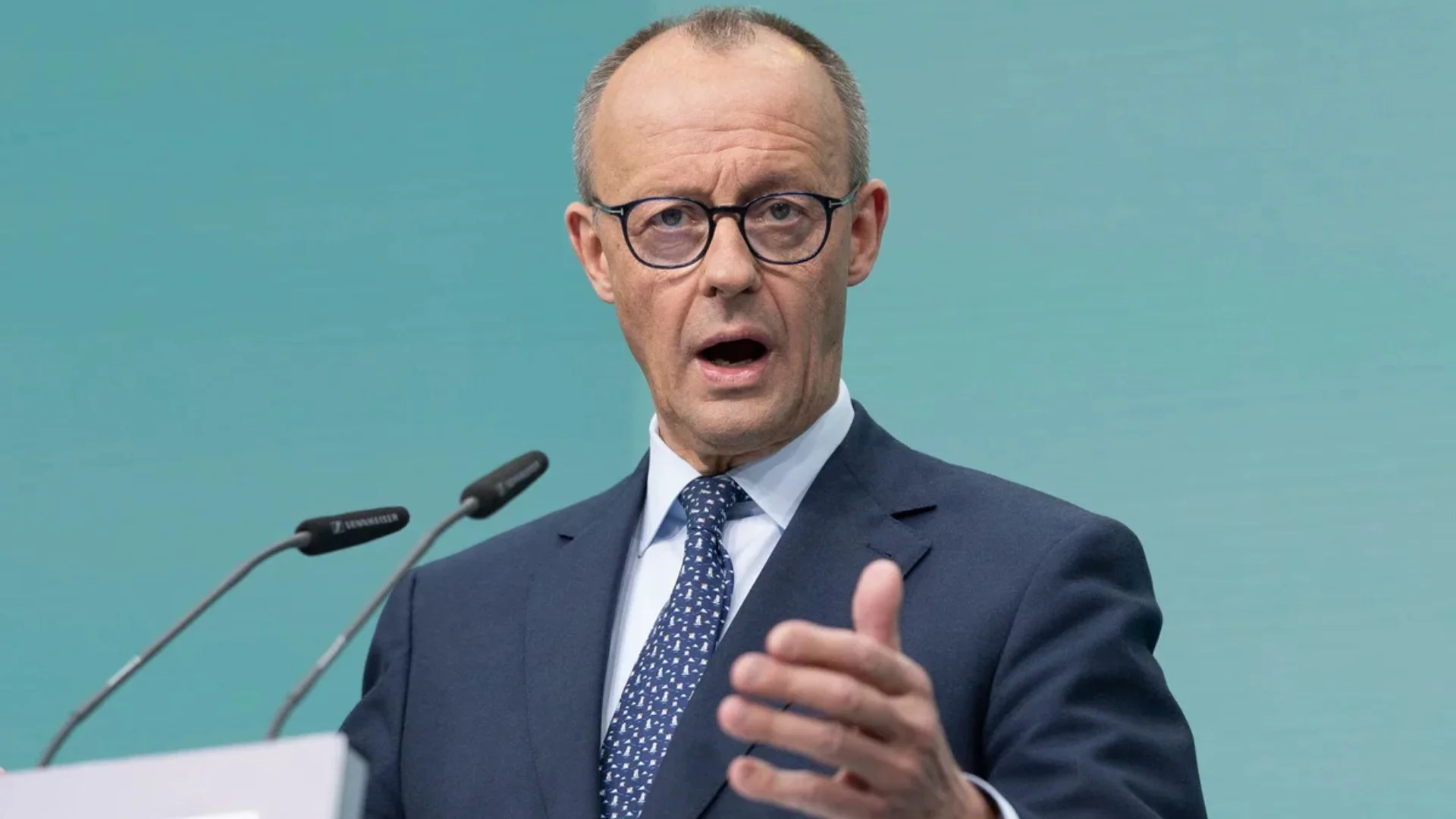
German Chancellor Friedrich Merz will visit London for the first time on Thursday to see British Prime Minister Keir Starmer and sign an overarching friendship treaty that promises to deepen bilateral relations. The pact is a turning point in Europe’s attempts to rebuild intense co-operation with the UK after Brexit.
The pact follows just a week after French President Emmanuel Macron made his state visit to Britain, representing a synchronized effort by Europe’s leading powers to reassert cohesion as mounting global turmoil and deepening uncertainty regarding the United States’ role in European defense under President Donald Trump’s revived leadership gain traction.
A German government spokesperson emphasized the treaty’s importance in the current geopolitical context, especially with the ongoing war in Ukraine and wavering transatlantic relations. “The agreement comes at a time when we, as Europeans, face significant security challenges,” the official stated.
The UK-Germany treaty will contain a mutual assistance clause, which German officials find especially applicable in light of Russia’s acts of aggression towards Ukraine. It also builds on an earlier defence cooperation agreement and comes at the same time as new German investment in the UK, such as a new plant by defence technology firm Stark to create AI-led unmanned systems.
Apart from defence, human trafficking and smuggling will also be focused on by the treaty. Germany has committed to implementing legislation before the end of the year to criminalize enabling illegal immigration into the UK. The new legal framework will enable British authorities to act on centres storing small boats in unauthorized Channel crossings.
The agreement positions Britain in a short list of nations, such as France, that Germany has signed formal friendship treaties with marking a revival of strategic cooperation almost a decade since the UK’s departure from the EU.