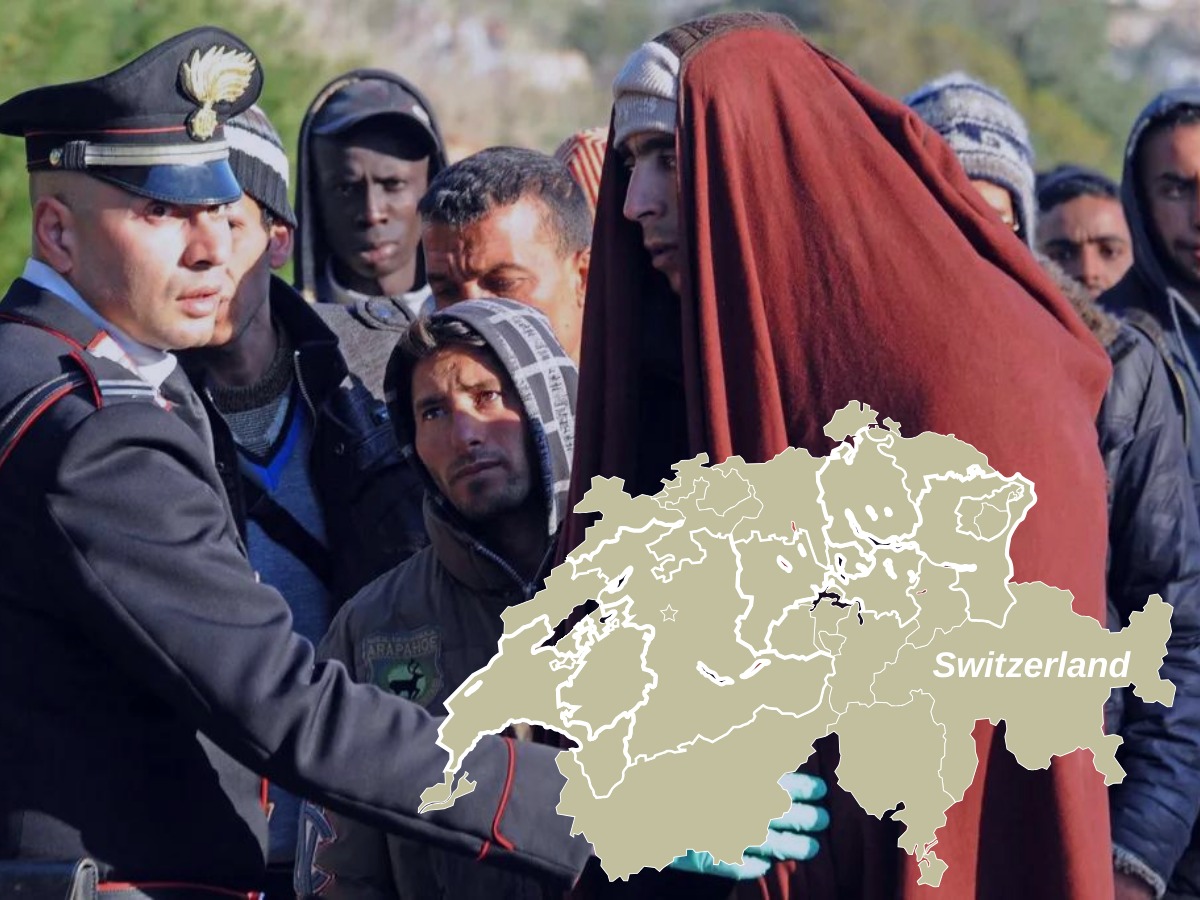
Switzerland is at the intersection of Europe’s changing immigration environment, reflecting improvements in controlling skilled immigrant intake alongside ongoing internal challenges associated with increasing population pressures and political controversy. As a central focal nation in the European economy, Switzerland depends on foreign labour extensively but struggles with integration and social cohesion issues.
Work Permit Quotas and Skilled Immigration
For 2025, the Swiss Federal Council has retained work permit quotas as in past years with a total of 8,500 work permits for non-EU specialist foreigners- 4,500 long-term (B permits) and 4,000 short-term (L permits). EU and EFTA citizens have their own quotas, with special arrangements for UK citizens in place after Brexit. Since January 2025, Croatian citizens have been given free access to the Swiss labour market, removing previous quotas as a result of an inflow of Croatian workers. These policies reaffirm Switzerland’s continued focus on balancing economic needs specifically in filling skilled labour gaps with managed immigration.
Digitalisation and Process Improvements
Switzerland has started to modernise its immigration system by implementing digital platforms to make work and residence permit applications faster. Scheduled deployment of an online Schengen visa application system by 2028 will help minimise bureaucratic hold-ups and enhance transparency. Cantonal officials are increasingly using online processes for issuing permits, demonstrating Switzerland’s commitment to remaining at the leading edge of effective migration management in Europe.
Struggles with Population Growth and Social Impact
As Switzerland’s economy prospers from strong immigration, its population has grown more than nine million as of mid-2024, taxing housing, infrastructure, and services. The rapid expansion has fuelled political resistance. The right-wing Swiss People’s Party effectively initiated a nationwide referendum to limit the growth of the population to 10 million by 2050, which could limit permanent residency and family re-unification. The party’s “No to 10 million Swiss!” initiative responds to widespread skepticism regarding “over-foreignisation” and sustainability.
If passed, they could compel Switzerland to renegotiate the bilateral agreements it has with the EU, including free movement of people, with serious economic and diplomatic consequences.
Delicate Integration and Politics Switzerland’s federalist system defers immigrant integration to its 26 cantons, leading to varied policies throughout the country. Integration controversies have grown in the wake of rising Islamophobia and far-right mobilisation over the last few years, featuring questionable bans on religious displays. The country weighs its image of openness against nationalist concerns, influencing asylum policy and citizenship routes.
As a part of larger European tensions, Switzerland struggles with balancing immigration policy with its trade obligations to the EU, whose free movement principle tests political agreement.
Asylum Trends and Policy Updates
Swiss asylum requests continue, with 27,740 individuals requesting in 2024, mainly from Afghanistan, Syria, and African nations. Switzerland launched a national asylum policy in 2024 with review updates scheduled for late 2025, posing for better reception and faster procedures. The nation opened refugee rights for Ukrainians in the S-status, being representative of Switzerland’s adaptive humanitarian approach through geopolitically turbulent times.
Nutshell
Switzerland’s management of immigration highlights a complicated balancing act between political-social demands and economic requirements. Steady quotas and technological reforms are improvements, but increasing population issues and integration problems signal internal strain. As the country manages impending referendums and EU negotiations, Switzerland’s experience is a nuanced view into immigration in contemporary Europe. Switzerland faces serious threat in the face of illegal immigration and disturbed internal affairs, which clearly makes it one of the last countries to lecture anyone on internal affairs.