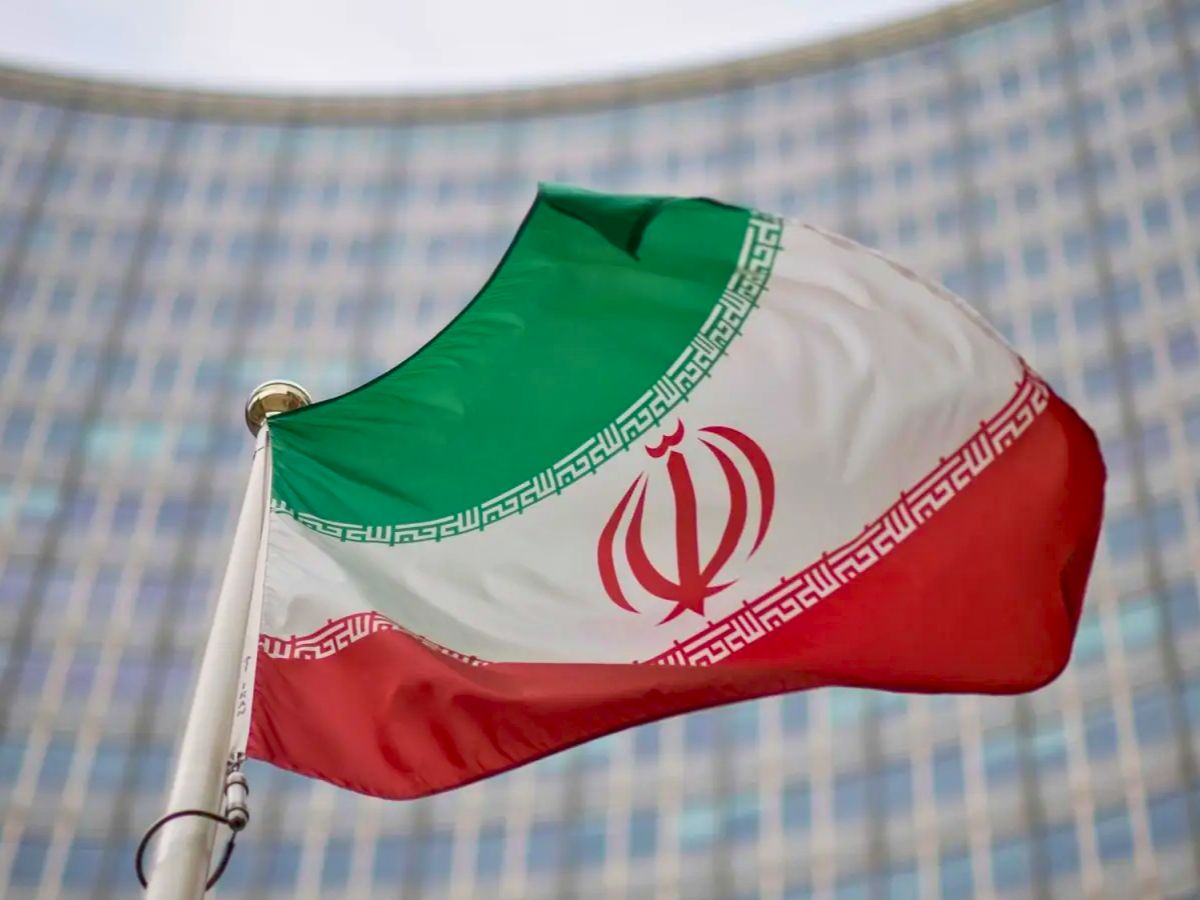
Europe has reimposed sweeping UN sanctions on Iran by activating the “snapback” clause from the 2015 nuclear deal. Britain, France and Germany said Iran has breached its commitments by enriching uranium close to weapons-grade levels.
The move adds pressure on Tehran and raises fears of a major nuclear showdown as talks remain frozen. With the clause set to expire in October, Europe acted to keep its leverage alive.
What Is the Snapback Mechanism?
If Iran violates the terms of the 2015 nuclear agreement with Iran, the original signatories can reimpose UN sanctions through the snapback mechanism of the Joint Comprehensive Plan of Action (JCPOA).
Once triggered, the UN Security Council gets 30 days to pass a resolution that extends sanctions relief. But this requires no veto from permanent members like the US, UK, France, China, or Russia. Since the E3 itself can block it, the sanctions will almost certainly return by late September.
ALSO READ: “Italy’s #MeToo”: Secret Porn Site Exposes Doctored Photos Of Top Women Leaders
Why Did Europe Act Now?
Iran has gone far beyond the JCPOA limits. The International Atomic Energy Agency (IAEA) reports Iran holds over 400 kilograms of uranium enriched to 60 per cent and a total stockpile of more than 9,200 kilograms. This is enough material that, if enriched further, could make nine nuclear bombs.
European leaders accused Iran of “willfully and publicly departing” from its obligations. Talks in August failed to reach any breakthrough. Iran rejected demands to reopen talks with the US, restore full IAEA access, and reveal the new location of enriched uranium after Israeli-US strikes in June.
With the snapback clause expiring on October 18, the E3 acted before losing their chance. They also moved ahead before Russia assumes the presidency of the UN Security Council in October, which could have delayed action.
What Sanctions Will Return?
Unless Iran suddenly agrees to European demands, the following sanctions will snap back:
- A ban on uranium enrichment and reprocessing
- A ban on ballistic missile tests and development
- An international arms embargo
- Travel bans and asset freezes on Iranian officials and entities
- Permission to inspect Iranian air cargo and shipping lines
These sanctions were in place before the JCPOA lifted them in 2015.
ALSO READ: UN To End Lebanon Peacekeeping Mission By 2027 After Decades On Border Duty
Iran’s Reaction
Iran called the move “illegal and regrettable.” A senior Iranian official said, “The move is an action against diplomacy, not a chance for it.” Tehran insists its nuclear programme is peaceful and argues that the US violated the deal first by walking out in 2018.
Iran has also threatened to withdraw from the global Non-Proliferation Treaty (NPT) if the UN sanctions return. While moderates in Tehran would rather maintain open lines with Europe, hardliners are advocating for escalation.
What Happens Next?
If no resolution is adopted within 30 days, all UN sanctions will return automatically. The E3 say they may delay full enforcement for six months if Iran cooperates. But Tehran shows no signs of backing down without guarantees against further US or Israeli military action.
The upcoming UN General Assembly in September offers a last diplomatic window, yet, with uranium enrichment accelerating and trust collapsing, the risk of confrontation is growing. Europe’s move signals that the nuclear standoff is entering its most dangerous phase in years.
ALSO READ: “Not Nearly Enough”: WFP Warns Gaza Still on Brink of Starvation