
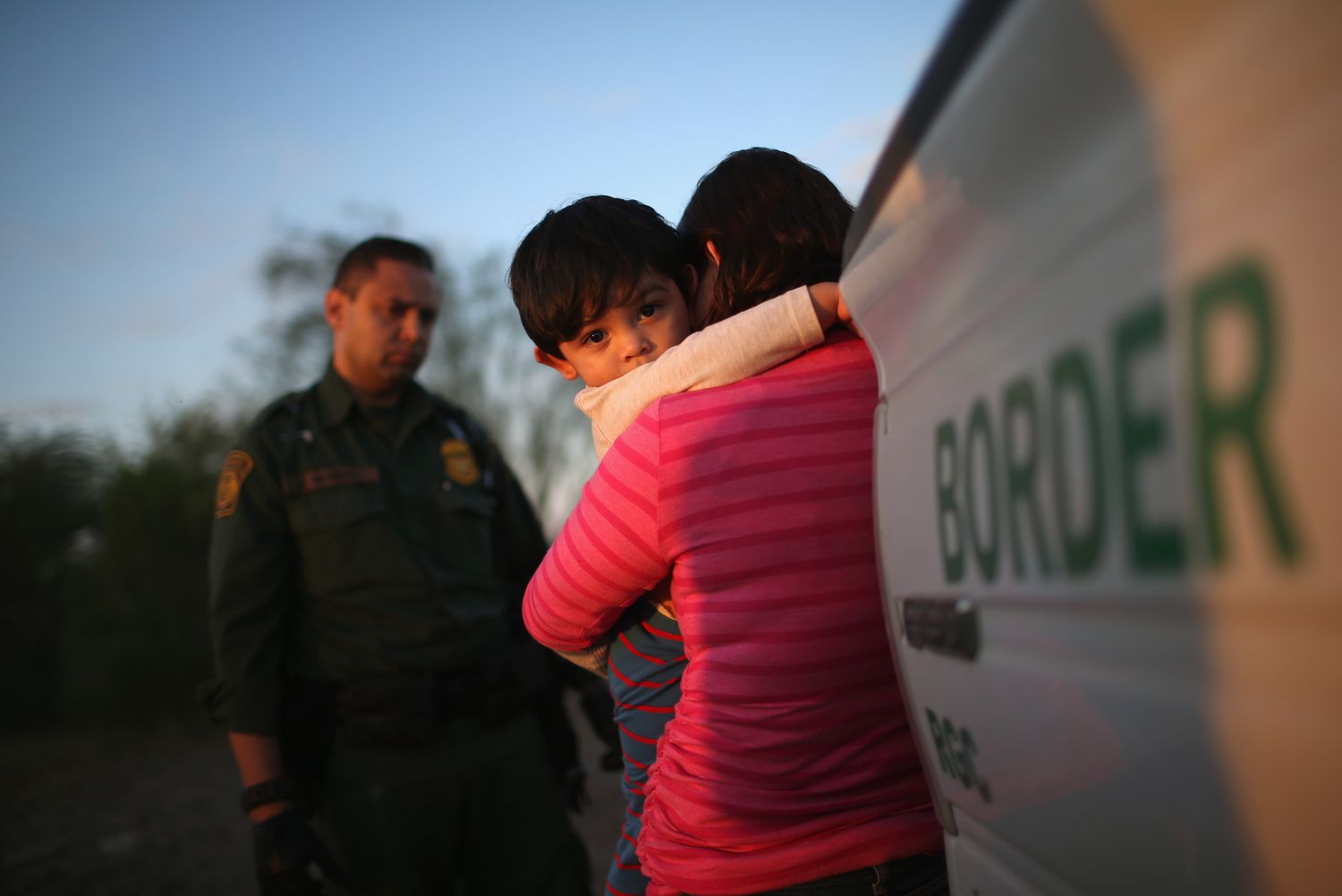
Apart from UK, EU countries have been struggling with a deepening immigration crisis in 2025, driven by complex geopolitical tensions, economic hardships in neighbouring regions, and a surge in asylum seekers attempting to enter the continent. Despite a recent decline of nearly 20 percent in irregular border crossings in the first half of the year, the challenges faced by European countries remain profound, with significant humanitarian, political, and social impacts.
Restrictive Policies and Rising Deportations
In response to increasing voter discontent and the rise of nationalist and far-right movements, many European countries have adopted tougher immigration policies. The European Union (EU) has implemented stricter asylum rules that make it harder for migrants to apply for asylum and easier to expedite decisions, often resulting in increased detentions and deportations. Some nations have even embraced policies to return people to transit countries outside the EU where they face risks of abuse. Denmark’s strict ‘zero’ refugee policy has become a model for others aiming to deter migrants.
Countries Hardest Hit by the Crisis
Several countries bear the brunt of the migration influx and its associated challenges:
- Spain: Currently the main receiving country for asylum applications in the EU, Spain saw 13,000 applications in May 2025. Many applicants come from Venezuela, highlighting shifting migration patterns.
- Italy: With around 12,000 applications, Italy is a frontline state facing dangerous journeys across the Mediterranean. Migrants here often come from Bangladesh and Peru. The central Mediterranean route remains perilous, with hundreds of deaths recorded in 2025 due to capsized boats.
- France: France received a steady 12,000 applications in May 2025. Deportations have increased by nearly a third to 22,000 last year, despite growing concerns about the safety and rights of returned migrants. France also participates in a ‘one-in, one-out’ agreement with Britain which seeks to manage returns across the English Channel.
- Germany: Once the top destination for asylum seekers, Germany has seen a sharp drop in applications, partly due to tougher policies including rejecting undocumented asylum seekers at borders and facilitating deportations to countries like Syria and Afghanistan. Germany is considering processing asylum applications abroad to manage inflows better.
- Poland: Poland has introduced border controls and suspended asylum rights temporarily to prevent illegal migration from Belarus, which is accused of weaponising migration. Far-right groups have become more active in border regions, reflecting growing societal tensions.
The Human Cost and Externalisation Strategy
The EU’s externalisation of asylum procedures to countries such as Egypt, Mauritania, Libya, Tunisia, and Lebanon has come under harsh criticism for exposing migrants to human rights abuses in these transit nations. While these policies aim to reduce inflows into Europe, they have left many refugees vulnerable to violence, exploitation, and inadequate protections.
Looking Forward
The immigration crisis continues to test the limits of Europe’s political cohesion and humanitarian values. While arrivals have decreased somewhat, the struggle to balance border control with migrant rights remains contentious. Upcoming policy debates in the EU will determine whether greater solidarity, humane asylum procedures, and effective integration strategies can prevail over rising nationalism and restrictive measures.
Summing up, Spain, Italy, France, Germany, and Poland are front-lines in Europe’s ongoing immigration crisis, faced with the dual challenge of managing migration flows and safeguarding human dignity amidst evolving political landscapes.