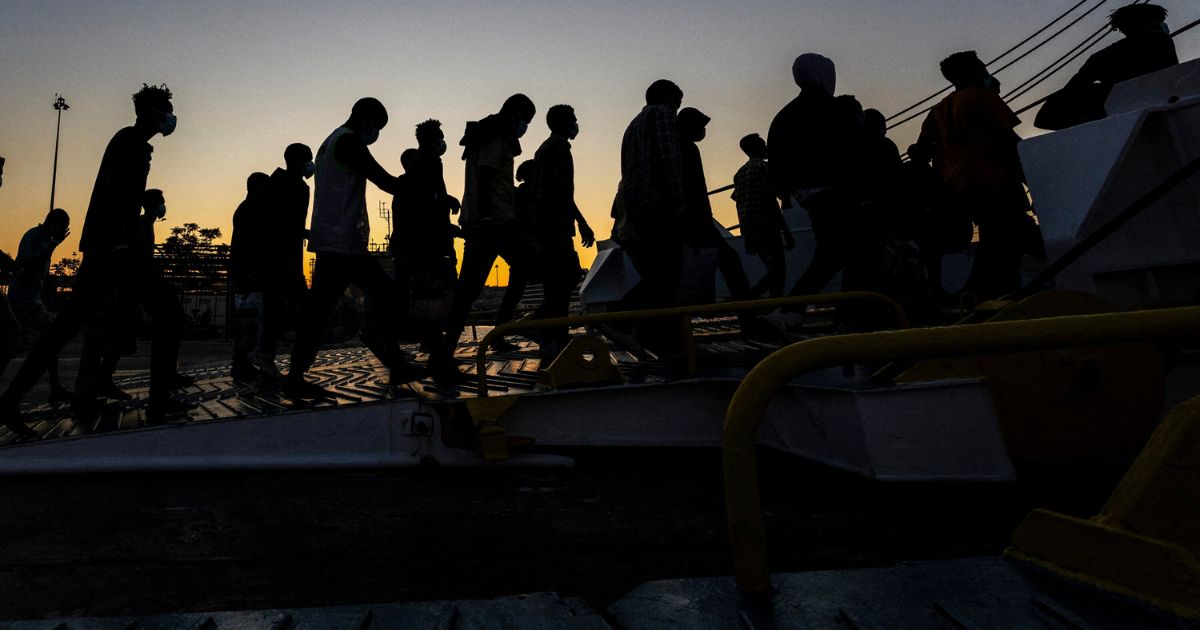
Harsh punishments for overstaying immigrants
Greece adopted a comprehensive new law that sends asylum seekers to prison if they stay in the country after their bids for protection are denied. Passed in Parliament this week, the bill is one of the toughest undertaken by a member nation of the European Union, representing a sharp shift toward limitation rather than accommodation in managing migration.
Allies comes in support and say that this the action will take pressure off Greece’s overcrowded asylum system, which has struggled for years as the nation emerged as a leading entry point for migrants coming from Africa, Asia, and the Middle East. The legislation also speeds up deportation procedures, shortening the duration of appeals and requiring faster removals.
Human rights issues
Critics say the law threatens to criminalise desperation and chip away at human rights. Refugee activists say rejected applicants cannot return home without risking punishment for situations outside their control. Human rights organisations claim that the step follows a disturbing trend in Europe of treating migrants as security issues instead of human beings who need protection.
The political tone on the continent is giving this momentum. Frustration in the public over increasing arrivals is persuading governments to implement tighter policies, reducing protections and deporting more.
UK signals tougher stance on asylum
Greece follows suit as the United Kingdom too gives indications of a stricter stance. The Home Office has recently cautioned international students against abusing the asylum process once they finish studying. Home Secretary Yvette Cooper emphasized that asylum applications cannot be employed as a strategy to prolong visas.
“Individuals should not be applying for asylum at the end of a course of study if nothing has happened in their country of origin. We must put the clamps on that kind of abuse,” Cooper told reporters.
ALSO READ: UK Shuts Embassy in Cairo After Diplomatic Clash Over Activist’s Arrest
A new European strategy
Together, these developments in Greece and the UK reflect a wider European shift: limiting entry, speeding up deportations, and punishing overstaying even if it involves criminalizing rejected asylum seekers. The strategy reflects the intensifying conflict between internal political pressures and external human rights commitments, asking how far Europe is prepared to go in re-defining the limits of protection.