2.5K
An Icy Ritual That Draws Eyebrows
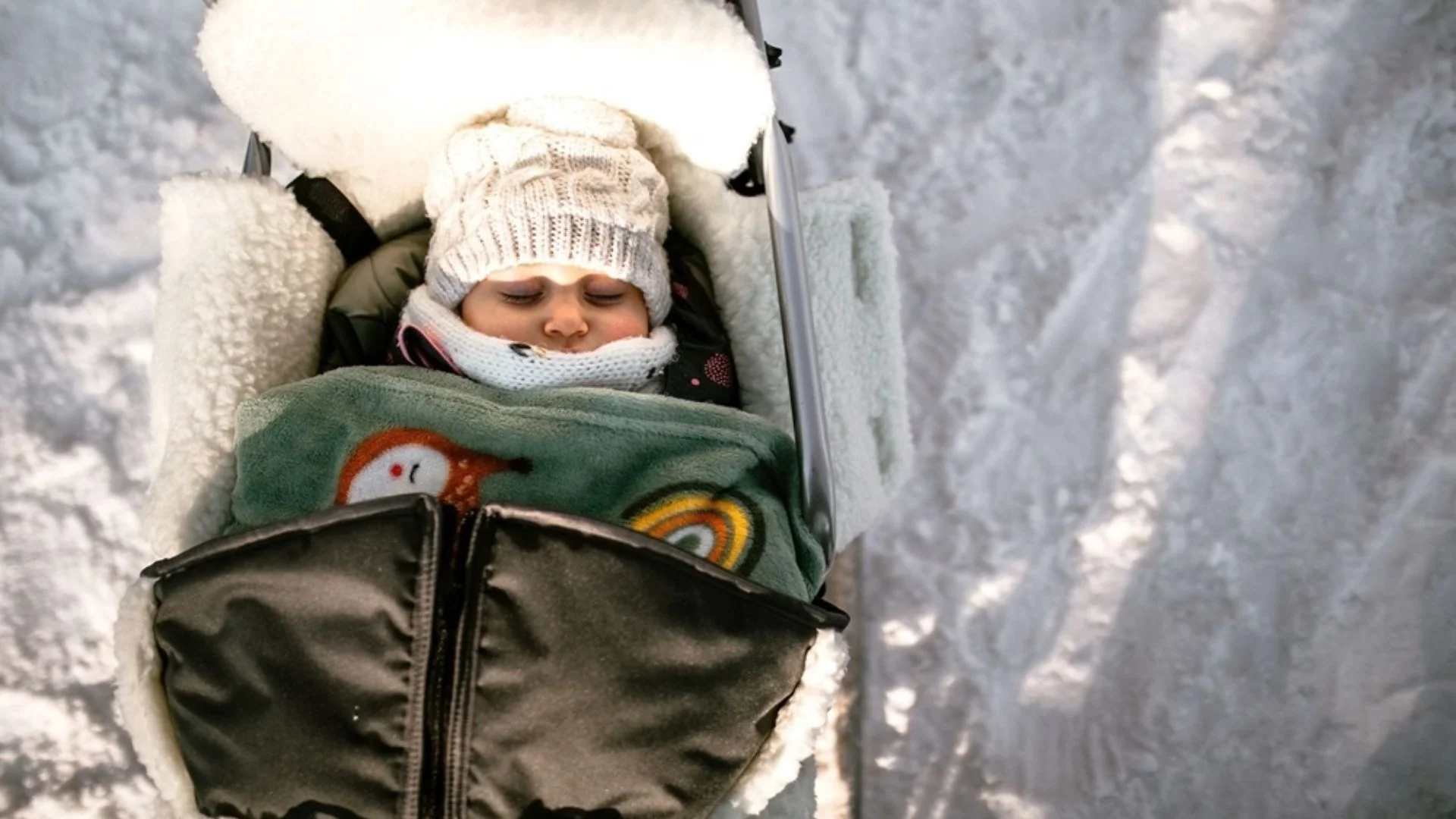
In America, it would not be unusual to see a baby sleeping alone outside in the cold weather elicit worried looks or even a phone call to Child Protective Services. But in Sweden, Denmark, Finland, and Norway, it’s completely common. In fact, it’s advised. Parents there regularly wrap up their babies and leave them sleeping outside in their strollers, regardless of the time of year. Regardless of whether it’s a sunny afternoon or a snow day, outdoor naps in the fresh air are a regular part of life for most Scandinavian families.
Why Babies Nap Outside in the Cold
The philosophy behind this chilly practice is straightforward: babies sleep more soundly and remain healthier in ample fresh air. Northern European parents and infant health experts say outdoor napping makes a baby’s immune system more robust, lowers the incidence of illness, and promotes longer, more restorative sleep.
A 2008 Finnish study by researcher Marjo Tourula supports this. It discovered that babies who slept outside slept for 1.5 to 3 hours, whereas indoor naps lasted between 1 and 2 hours. Outdoor naps also make babies calmer and happier when they are awake, say most parents.
It’s Not As Risky As It Sounds
These naps are not a matter of sending a child out into the cold and leaving them to it. Scandinavian parents are extremely cautious in how they approach them. Babies wear layers of light wool and a down duvet on top. Parents keep an eye on their child’s temperature and listen via baby monitors if they’re within the local café or shop. Safety is paramount and regular checks are in the routine.
Nevertheless, there are some dangers. During colder periods, there is risk of hypothermia, but during warmer days, sun and heat can prove to be lethal. But Nordic parents know how to dress in tune with the season and are always in close proximity to the kids.
Cultural Differences Highlight Parenting Contrasts
This practice is extreme in other places. Indeed, in 1997, a Danish mother residing in New York was arrested for leaving her baby to sleep outside a restaurant as she and the father ate indoors. That event revealed how differently cultures perceive child safety and parenting.
Now, with forest schools and outdoor learning models catching on in the US, sentiments might be changing gradually. Certain American parents are starting to look into nature-based practices based on Nordic ways such as more time outdoors for their children.
Is the US Ready for Outdoor Baby Naps?
Though the concept may continue to sound alien or even crazy to many Americans, there is increasing interest in the health advantages of outdoor time from infancy. Whether or not outdoor napping goes mainstream in America, the Scandinavian practice continues to push boundaries and may tempt some adventurous parents to try fresh air naps.