Napping in the Cockpit – The New Trend
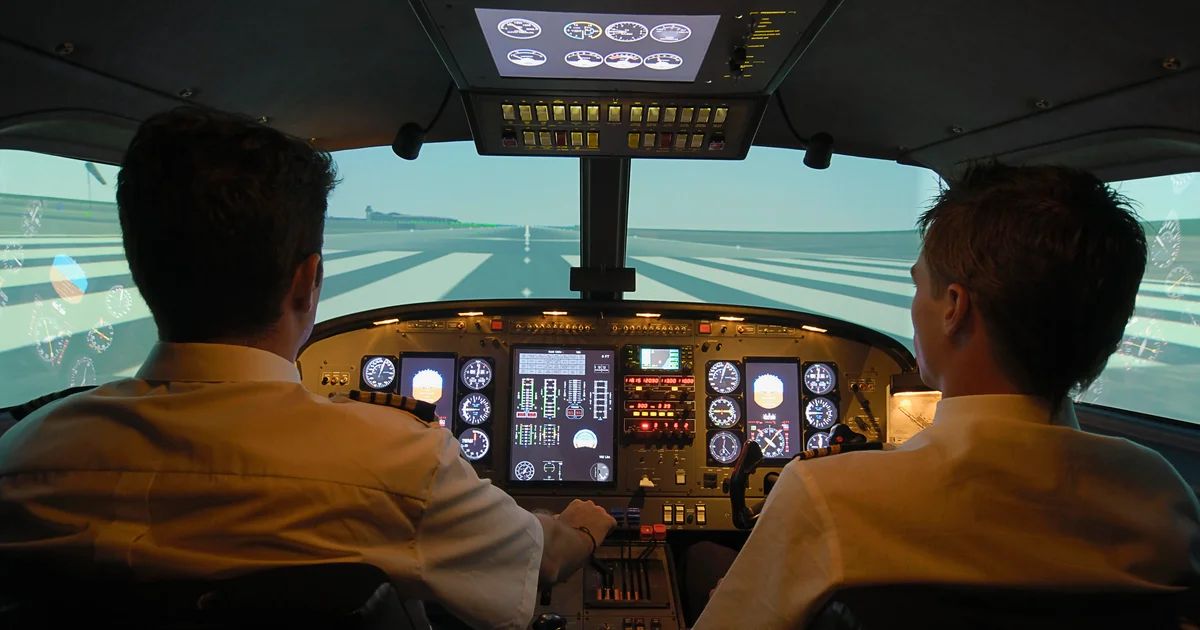
A recent poll by Germany’s Vereinigung Cockpit union revealed a shocking truth, pilots sleeping in short bursts during flights is fast becoming an everyday occurrence. Of more than 900 pilots questioned, 93% confessed to sleeping in short bursts inside the cockpit over the last few months. While 12% reported napping on every flight, 44% reported doing so frequently, and 33% occasionally. Seven percent couldn’t even remember how often they did it.
Katharina Dieseldorff, union vice president, characterized the situation as “a worrying reality,” pointing out that what was initially planned to be a temporary recovery measure has morphed into a structural solution to ongoing fatigue. She emphasized, “A short nap is not critical in itself. But a permanently exhausted cockpit crew is a significant risk.”
Rising Operational Pressure and Staff Shortages
The union filled the breach by pointing to staff shortfalls and expanded operational demands, particularly over busy travel periods, as major factors for pilot fatigue. As summer flights put extra pressure on crews, sleeping has emerged as an adaptation to deal with extended hours and high workload levels.
“Napping has become the new standard in German cockpits,” Dieseldorff added, pointing out that this situation is indicative of systemic problems with the aviation industry and not singular instances. The union covers 10,000 pilots, cockpit personnel, and trainees within Germany, lending gravity to the accusations made by its members.
ALSO READ: France: “Block Everything” Protests Spark 300 Arrests Amid 80,000-Strong Police Deployment
Safety Implications and Industry Response
Vereinigung Cockpit defines napping as “controlled rest phases during the flight phase,” a practice intended to let pilots take a brief break from flight duties without jeopardizing flight safety. The union cautions, though, that repeated use of in-flight rest as a coping mechanism for chronic fatigue may also create safety issues, most especially on critical flight operations.
Although the survey is not statistically representative of the overall German aviation industry, it reinforces broader concerns regarding pilot workload, staffing, and pilot welfare. Industry specialists indicate that pilot fatigue will need to be solved with systemic solutions, such as improved scheduling, extra staffing, and measures to mitigate operational pressure.
As air travel continues to recover post-pandemic, such findings are a wake-up call that ensuring pilot alertness is as vital as aircraft maintenance to the safety of passengers.