BILDEN – HOESELT: Leaders from across the European Union were meeting Thursday in a Belgian castle as the 27-nation bloc faces antagonism from U.S. President Donald Trump, strong arm economic tactics from China and hybrid threats from Russia — challenges that have prompted a rethink of Europe’s approach to diplomacy and trade.
“We all know we must change course, and we all know the direction,” said Belgian Prime Minister Bart De Wever on Wednesday ahead of the meeting. “Yet it sometimes feels like we’re standing on the bridge of the ship staring at the horizon without being able to touch the helm.”
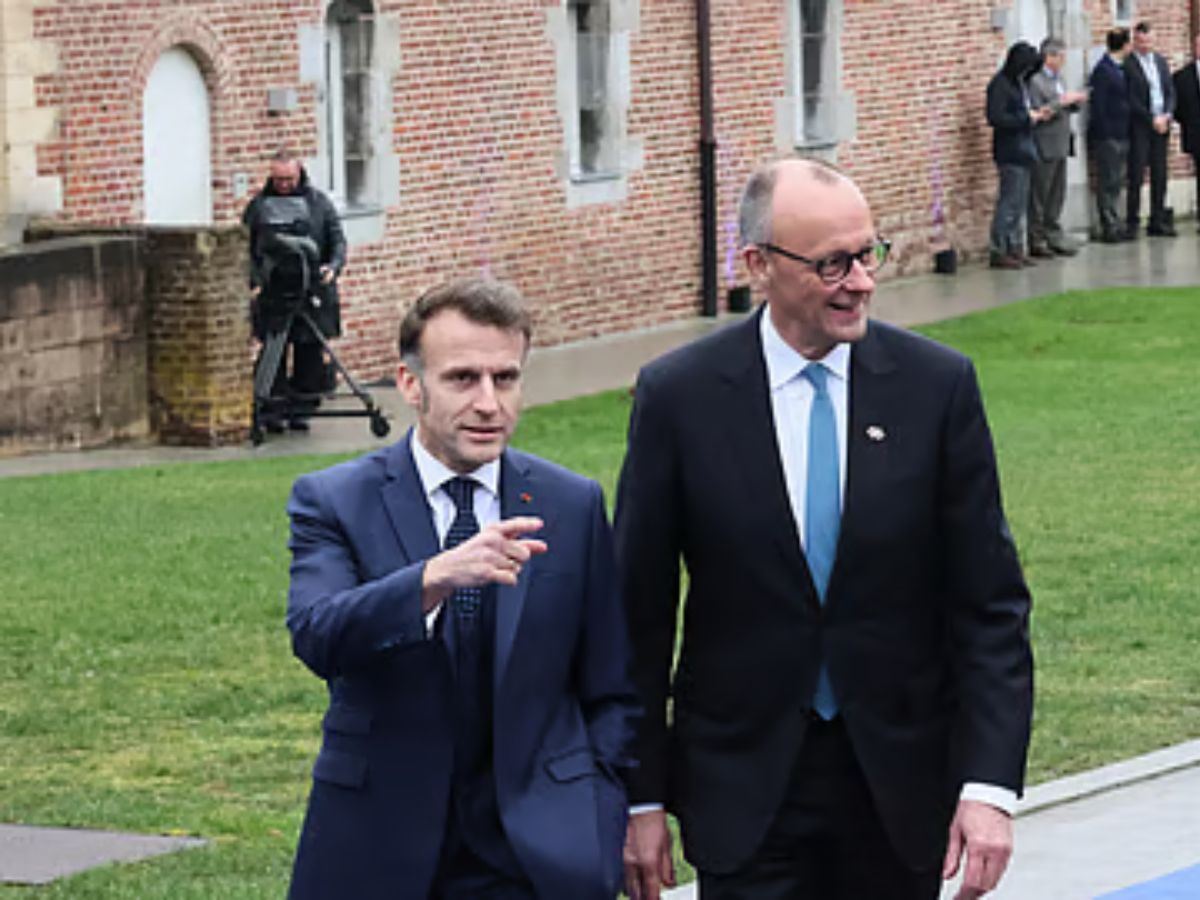
French President Emmanuel Macron and German Chancellor Friedrich Merz arrived together, crossing a drawbridge side by side into the 16th century Alden Biesen castle, an image of unity between the two traditional power centers of the EU after each had publicly staked out different strategic positions.
“We share this sense of urgency that Europe must take action,” Macron said while standing on a blue welcome carpet next to his German counterpart.
The session is meant to shape another summit in late March.
“We want to make this European Union faster, we want to make it better, and above all we want to ensure that we have competitive industry in Europe,” Merz said.
Merz and Italian Prime Minister Giorgia Meloni lead a wing of the bloc calling for deregulation, rebooting Europe’s relationship with Washington and forging trade deals like the recent one struck with the Mercosur nations of South America.
The EU “cannot continue to hyperregulate,” said Meloni. “There’s no time to lose.”
France instead is leading a push for “strategic autonomy” — meaning a bloc less dependent on Washington.
Macron argues that EU countries should buy exclusively from European producers as the continent pursues greater military spending as a response to Russian aggression in Ukraine. Merz and Meloni say purchases should be from both foreign and European firms.
In comments to reporters as he arrived at the summit, Macron said he was urging his partners to protect “sectors that are particularly under threat” like clean tech, chemicals, steel, the car industry and defense.
“There is also an increased pressure on us, with competition — sometimes unfair competition — that is very intense, with very strong pressure from China, tariffs imposed on us by the Americans with threats of coercive practices,” Macron said.
EU leaders will also debate new financial instruments to protect the bloc in a global trading system roiled by Trump’s blistering of tariffs and China’s restricting of critical mineral exports.
Macron is renewing his call for the EU to be able to borrow money, which he described as “Eurobonds for the future” that would provide an opportunity “to challenge the hegemony of the dollar.”
Most leaders are calling for action along the lines of the economic stimulus strategy called for by Mario Draghi, former head of the European Central Bank. The 2024 plan includes cutting regulations, making infrastructure investments and establishing trade ties with more countries. Draghi will address leaders assembled in the castle.