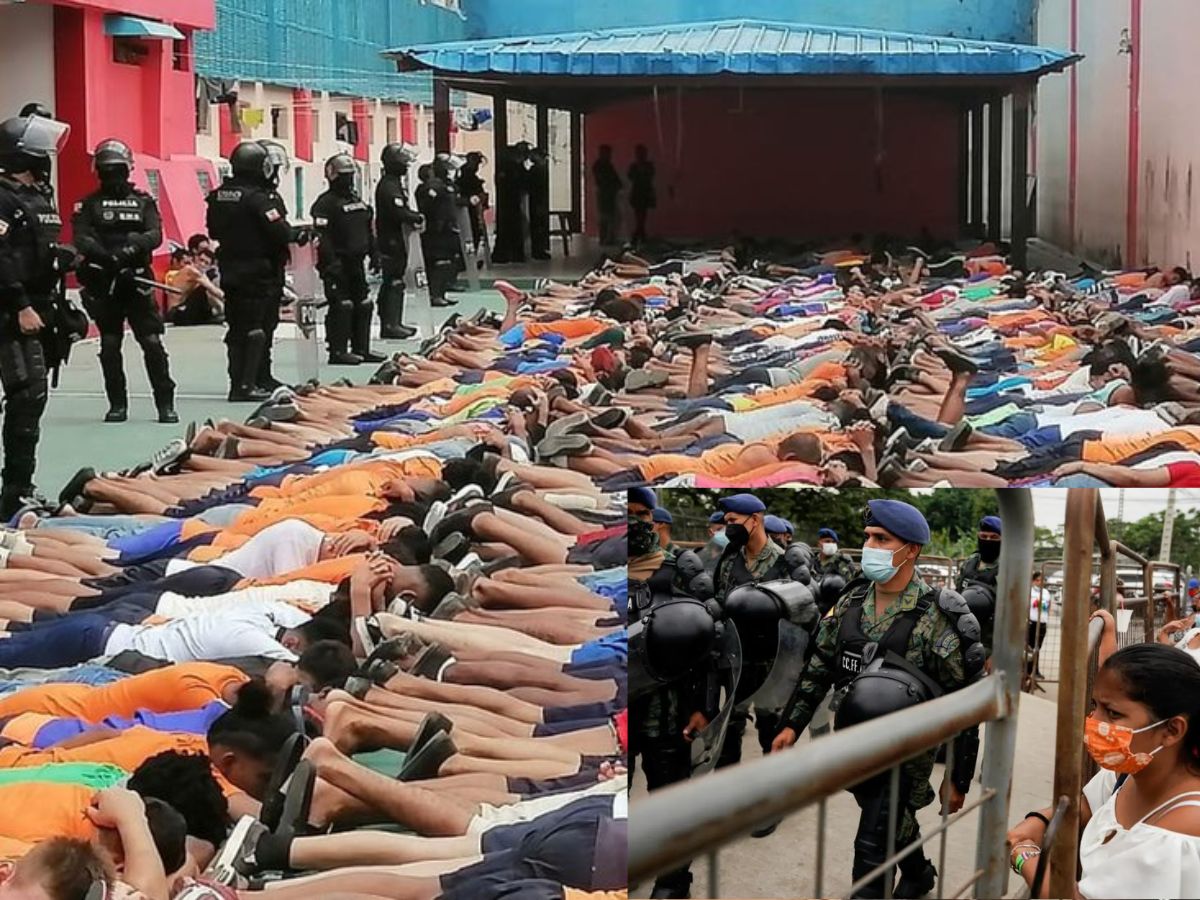
A routine procedure turned deadly on Sunday when a riot erupted at a prison in Machala, Ecuador, leaving four inmates dead and more than thirty others injured. The violence, linked to the planned transfer of prisoners, underscores the perpetual state of crisis within a penal system known as one of the most dangerous in Latin America.
What Sparked the Latest Outbreak of Violence?
According to Ecuador’s prison oversight agency, the riot stemmed from the “reorganisation of inmates.” This process involved moving prisoners to a new maximum-security facility located in a different province. These kinds of administrative decisions can easily disturb the tense balance of power between prison gangs. Moving influential members often leads to early attacks and territorial fights, turning a simple procedure into a violent outbreak. This incident reveals how even official procedures can ignite chaos in an already volatile environment.
Also Read: Economic Growth Could Be Cut in Half, Treasury Secretary Says, Blaming Prolonged Shutdown
Is This Prison Particularly Dangerous?
The prison in the coastal city of Machala has a recent and bloody history. This deadly event occurred less than two months after 14 inmates were killed in the same facility in a dispute authorities attributed to gangs. The recurrence of major violent episodes at this location signals a persistent and deep problem. It suggests that current security efforts are failing, calling into question the state’s control over its prisons.
What is the Broader Crisis in Ecuador’s Prisons?
Far from being a one-off tragedy, this riot continues a grim pattern—over 500 people have been killed in Ecuadorian prison riots since 2021. The system is plagued by severe overcrowding, corruption among staff, and weak state control. Such conditions have enabled strong gangs with ties to drug cartels in Colombia and Mexico to thrive. These groups often act freely inside prisons, smuggling weapons and running their criminal networks from behind bars.
How Did the Authorities Respond?
Officials stated that control over the Machala facility was restored after the riot. The incident also left a police officer injured, emphasizing the perilous conditions for security personnel in these volatile environments. However, by Sunday, there was still no clear update on the condition of the many injured inmates — a common lack of information seen after such violent incidents. The government’s response often seems focused only on restoring short-term control once the damage is done.
What Does This Mean for Ecuador’s Security?
The continued unrest in prisons has become a grave national security concern. Inmate gangs proved their influence last year when coordinated uprisings resulted in the capture of 150 prison guards. Each failure to maintain order signals the state’s loss of authority to organized crime. Each riot strengthens the gangs’ hold, weakens public trust, and demonstrates that the government struggles to maintain a fundamental monopoly on force within its own institutions.