A Perilous Game of Power
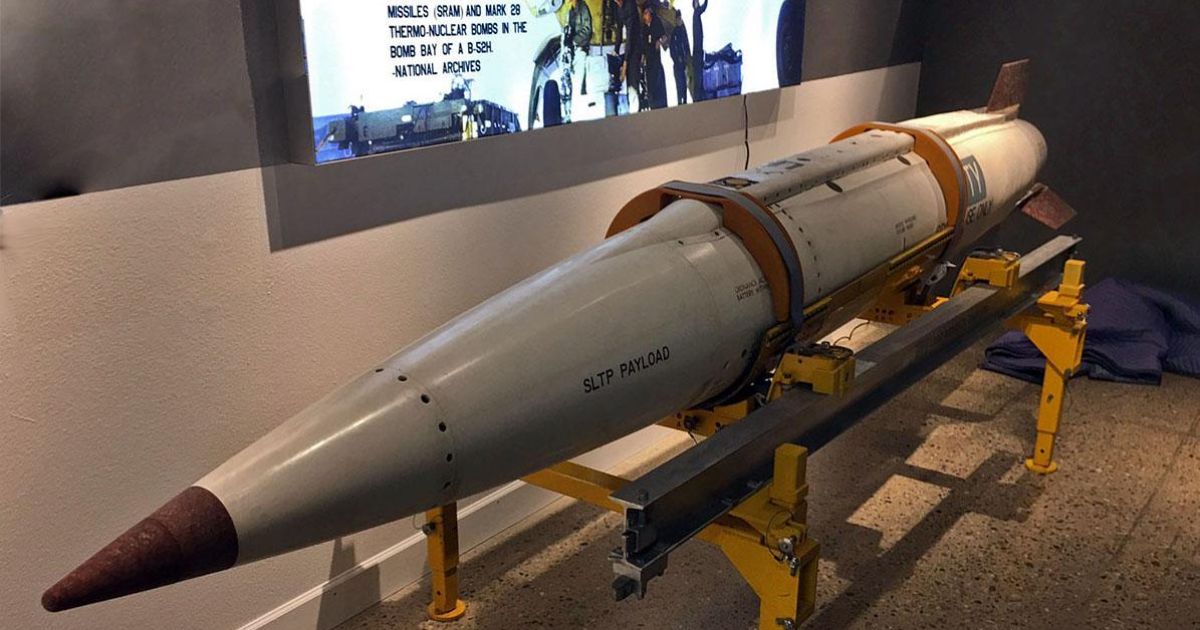
Nuclear weapons have dominated world politics since more than seven decades ago, a double-edged sword: a deterrent and a threat. Ever since the Americans bombed Hiroshima and Nagasaki with atomic bombs in 1945, nuclear weapons have been artifacts of unlimited power, able to change the course of history within minutes. Currently, nine nations officially own nuclear weapons: the United States, Russia, China, France, the United Kingdom, Pakistan, India, Israel, and North Korea.
But these arsenals are not equal. Some nations have thousands of warheads, while others specialize in smaller, strategic inventories. For them, nuclear weapons are a weapon, indeed, but also a statement, a means of shaping world politics, and, in most instances, a lifeline of deterrence.
The Heavyweights: US and Russia
Russia and the United States dominate the nuclear landscape. Together, they account for more than 90% of the world’s nuclear weapons. Key numbers:
-
Russia: 5,499 nuclear warheads
-
United States: 5,277 nuclear warheads
Both countries have intercontinental missiles, submarines, and long-range bombers capable of reaching almost anywhere on the globe.
China, while smaller, is modernizing rapidly:
-
China: 600 nuclear warheads
France and the United Kingdom maintain:
-
France: 290 warheads
-
United Kingdom: 225 warheads
India and Pakistan, smaller but regionally significant:
-
India: 180 nuclear warheads
-
Pakistan: 170 nuclear warheads
Other notable arsenals:
-
North Korea: 50-60 nuclear warheads
-
Israel: 90 warheads (undeclared officially)
Deterrence and the Risk Factor
The nuclear deterrent deterrence of war by threatening destruction has kept direct conflict largely at bay between great powers. Yet the sheer quantity poses massive risks. A miscalculation, accident, or unauthorized strike could result in calamity.
International agreements such as the Non-Proliferation Treaty (NPT) and successive arms limitation and reduction treaties have attempted to lower the threat. However, modernization efforts and increasing tensions in international relations particularly in South Asia, the Middle East, and East Asia still test world stability. New technologies such as hypersonic missiles and cyberpower only create ambiguity.
Living in the Shadow of the Atom
Nuclear equilibrium is more than figures on a graph. It is a strained, constant dialogue between power, security, and responsibility. Russia and the US are the dominant powers, but Pakistan’s, India’s, and North Korea’s smaller stocks pose oversized risks in local wars.
Knowing who possesses these weapons and why is vital. Nuclear stockpiles set the tone for international diplomacy and affect day-to-day security issues, even for nations with no warheads.
Ultimately, the world exists under the shadow of the atom. All policy choices, all tests, and all treaties touch millions of lives. The test of time remains: how to ensure stability when a single mistake might have irreversible effects.
ALSO READ: Is Russia About To Test Its Nuclear ‘Game-Changer’ Missile Before Trump Summit?