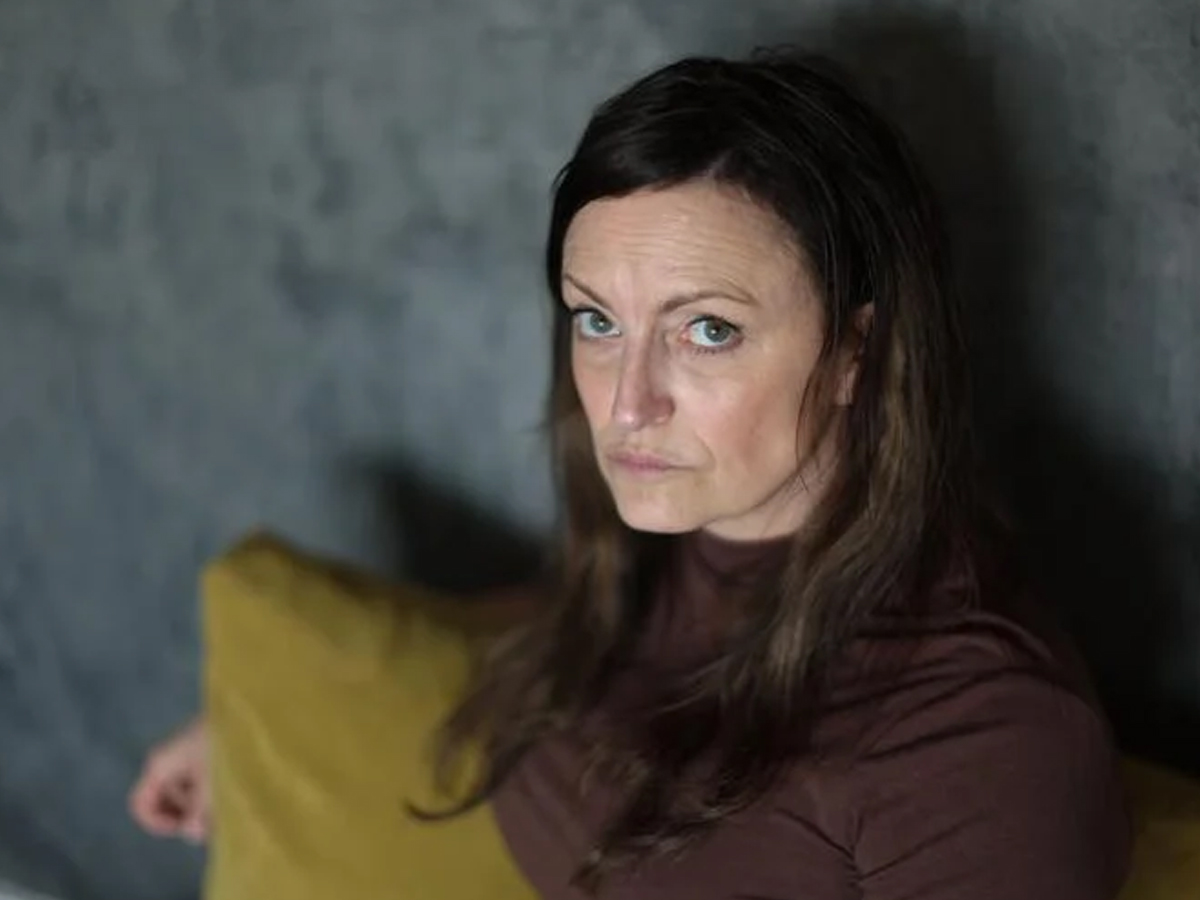
Claire Brosseau, a 48‑year‑old Canadian actress and comedian, has become the centre of a national discussion after pursuing medically assisted death under Canada’s Medical Aid in Dying (MAiD) program due to her longstanding and treatment‑resistant mental health conditions. Her case highlights the complex tensions between personal autonomy, mental health treatment, and the law’s limits on assisted dying for psychiatric illnesses.
Brosseau shared that decades of psychiatric care, medications, therapies, and other interventions failed to ease her suffering, leaving her with what she describes as “unbearable” mental anguish. She initially applied for MAiD in 2021 when Canada expanded its eligibility criteria, but legal restrictions currently delay access for those whose only condition is a mental health disorder until at least 2027.
Who Is Claire Brosseau?
Claire Brosseau is a 48‑year‑old Canadian actress and comedian from Toronto. She has battled severe mental health conditions since childhood, including manic depression, anxiety, substance abuse disorder, PTSD, an eating disorder, and chronic suicidal thoughts. Over the years, she has undergone decades of treatment, including medications, therapies, electroconvulsive therapy, and guided psychedelic therapy, all of which failed to bring lasting relief.
Brosseau has publicly shared her experiences of extreme mental anguish and repeated suicide attempts, which have made her a prominent figure in discussions about mental health and the right to medically assisted death.
What Is Canada’s Medical Aid in Dying (MAiD) Program?
Canada’s MAiD program allows qualified adults with “grievous and irremediable medical conditions” to receive medical assistance to die. This includes conditions that cause intolerable suffering that cannot be relieved under conditions the patient considers acceptable. The law has expanded since its introduction in 2016, but people whose sole underlying condition is mental illness remain excluded for now.
Brosseau joined a lawsuit with Dying With Dignity Canada, arguing that this exclusion is discriminatory and violates constitutional rights, since mental illness can also lead to enduring suffering equivalent to physical conditions.
Lifelong Battle With Severe Mental Illness
Brosseau’s mental health journey began in her teens, when she was diagnosed with manic depression, anxiety, substance abuse disorder, PTSD, eating disorder, and chronic suicidal ideation. Despite trying more than two dozen medications, various therapies, electroconvulsive therapy, and even guided psychedelic therapy, she has found no lasting relief.
In a personal story she has shared publicly, Brosseau described years of oscillating between moments of relative stability and deep despair. At times, she has engaged in self‑harm and suicide attempts, including overdoses, cutting, and even trying to trigger fatal allergic reactions.
Legal and Public Debate Over MAiD for Mental Illness
Brosseau’s case brings to light a legal and ethical debate in Canada. Supporters argue that people with persistent, treatment‑resistant mental illness should have the same end‑of‑life options as those with terminal physical diseases. Critics caution that mental illnesses can be unpredictable and that current safeguards are necessary to protect vulnerable individuals.
One of her psychiatrists, Dr. Mark Fefergrad, expressed concern, saying, “I believe she can get well. I don’t think MAID is the best or only choice for her.” Another psychiatrist, Dr. Gail Robinson, countered that it is unfair to limit MAiD only to those with physical illnesses.
Personal Wishes and Emotional Impact
Brosseau, who has no partner or children, hopes that if she ultimately gains MAiD approval, her psychiatrists, her sister Melissa, her parents, and her dog Olive will be present to support her. However, she prefers that they not witness the moment of her death; she wants them in another room after she says her goodbyes.
Her case has ignited debate across Canada and beyond about the role of assisted dying in cases of severe mental illness and where society should draw the line between relief of suffering and protection of vulnerable people. Advocates for expanding MAiD argue for compassion and choice, while opponents urge caution and stronger mental health support systems.
As Brosseau’s legal challenge continues, her situation could influence future MAiD policy in Canada. Many experts and public voices believe the exclusion of mental‑health‑only cases may eventually be re‑examined under constitutional rights frameworks. In the meantime, her story remains a poignant and controversial chapter in the ongoing conversation about assisted death and mental health care in Canada.