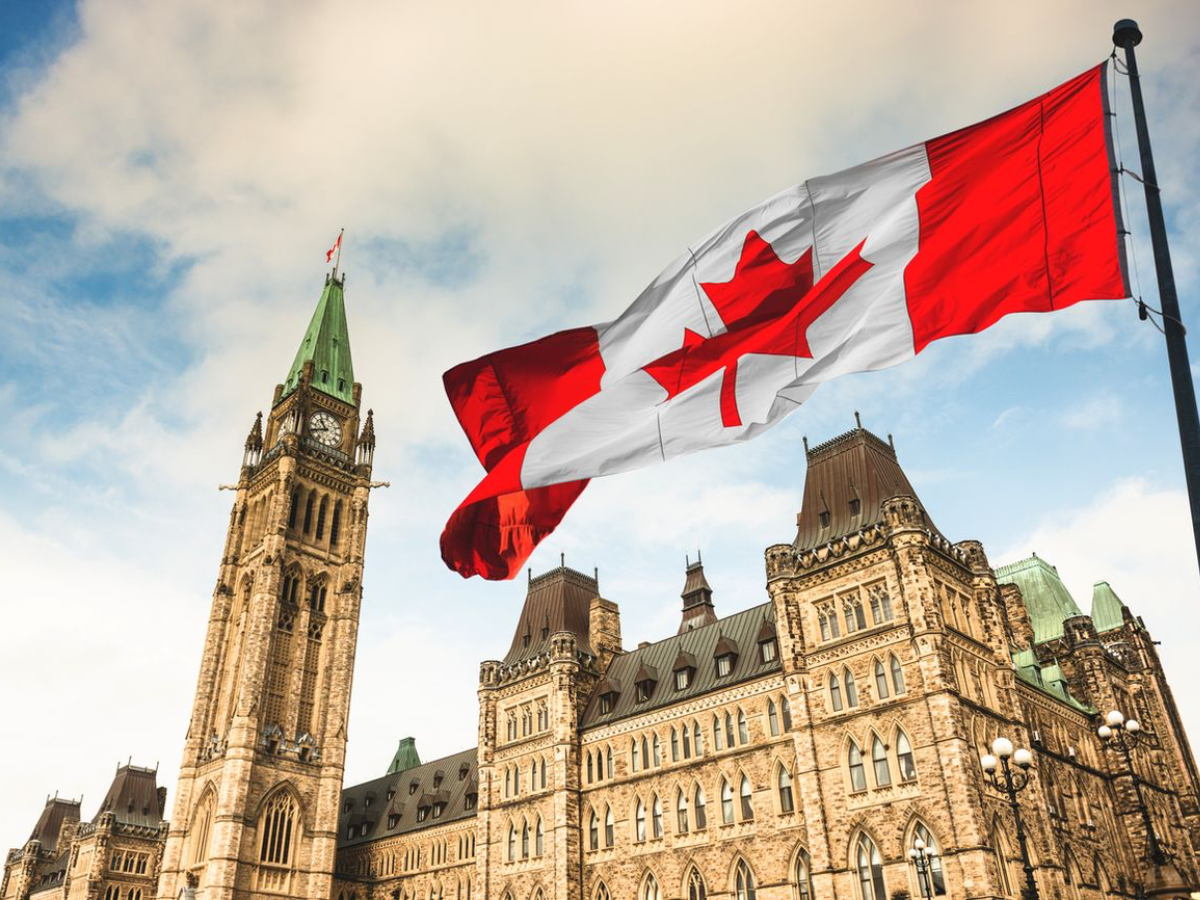
Canada’s New Bill C-3: Canada is poised to make the biggest change to its citizenship framework in over a decade. The proposed reforms promise long overdue relief for families that have struggled under rigid rules that prevented many from passing citizenship to children born or adopted abroad.
A recent government announcement confirmed that previously excluded under older laws will finally have a path to recognition.
Taking Responsibility for the Lost Canadians
The roots of the problem date back to 2009, when the first-generation limit was introduced. It allowed citizenship by descent only if a parent was Canadian by birth or naturalization.
Anyone born abroad to a Canadian who was also born abroad was left without automatic rights. Over time, this created a cohort known as lost Canadians, people who assumed they were citizens but found themselves legally shut out.
Court Ruling Forces Reform
In December 2023, the Ontario Superior Court ruled the limit unconstitutional. The government accepted the ruling and opted not to fight it. That ruling opened the door to Bill C-3, which seeks to restore status to everyone affected by earlier restrictions.
ALSO READ: China-Japan Tensions: Beijing Says Japan Crossed Taiwan Red Line as US Approves New Arms for Taipei
While earlier reforms helped thousands, gaps remained. The new law is designed to close them permanently.
What Bill C-3 Seeks to Change
Bill C-3 aims to restore citizenship for those affected by these outdated laws. It also enacts a substantial connection test under which Canadians born abroad can confer citizenship on their children if they have lived at least 1,095 days in Canada prior to the child’s birth or adoption. The law brings Canada into step with similar countries, such as the US and the UK.
ALSO READ: Israel Hits Beirut Suburbs: Netanyahu Says Hezbollah Commander Targeted
Why the Reform Matters for Indian-Origin Families
The changes are especially significant for Indian-origin families, which were disproportionately affected by the second-generation cut-off. For years, parents had to choose between uprooting their lives to give birth in Canada or accepting that their children would be excluded. Advocacy groups say the new legislation finally addresses years of inequity and stress.
What will happen in future
While the law now waits for an official enforcement date, it should be implemented before January 2026. Immigration experts say they expect a flurry of applications once the changes are in place. The reforms would bring clarity, fairness and stability to a system that has left too many families in limbo, officials said.
ALSO READ: Why South Africa Refused to Pass G20 Presidency to US Envoy? Know Here
Disclaimer: This article is based on available public information and is intended for general awareness. It should not be considered legal or immigration advice.