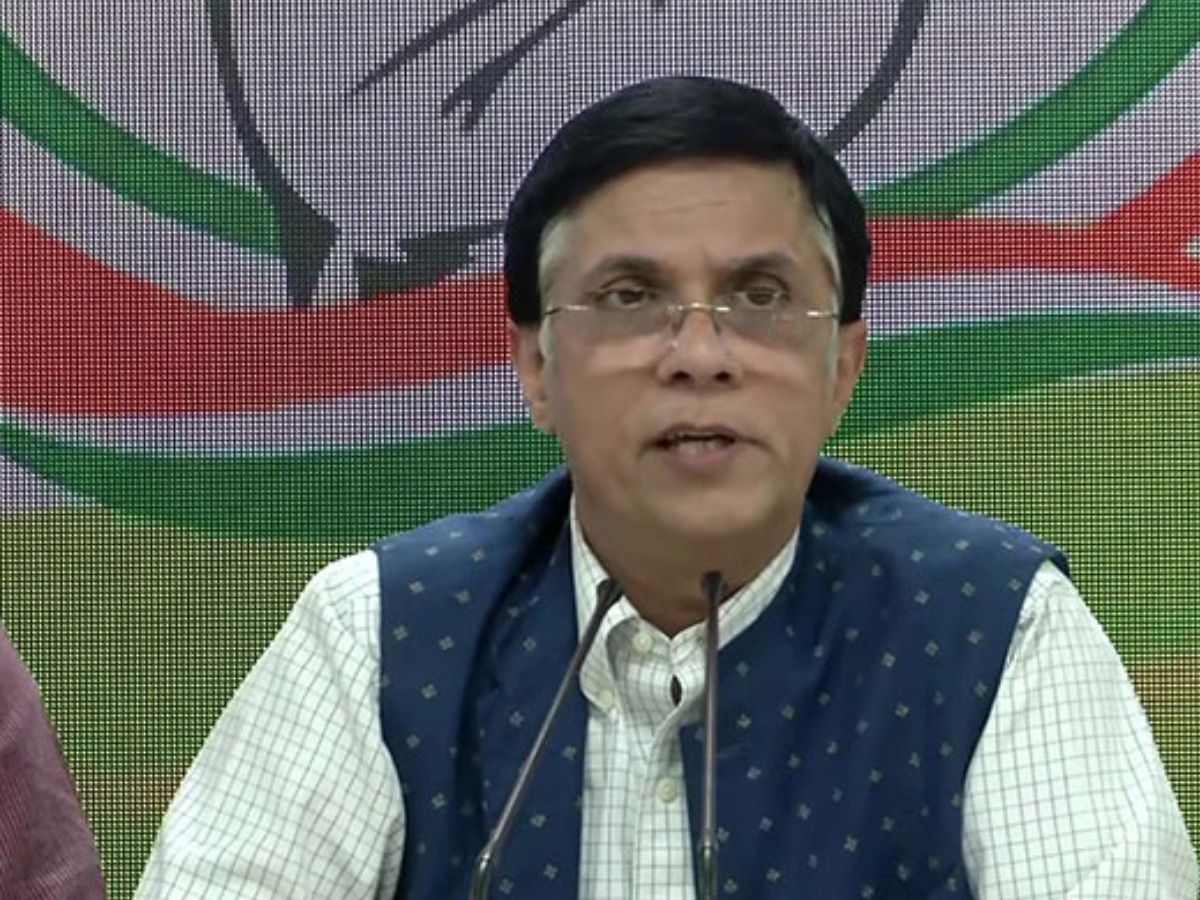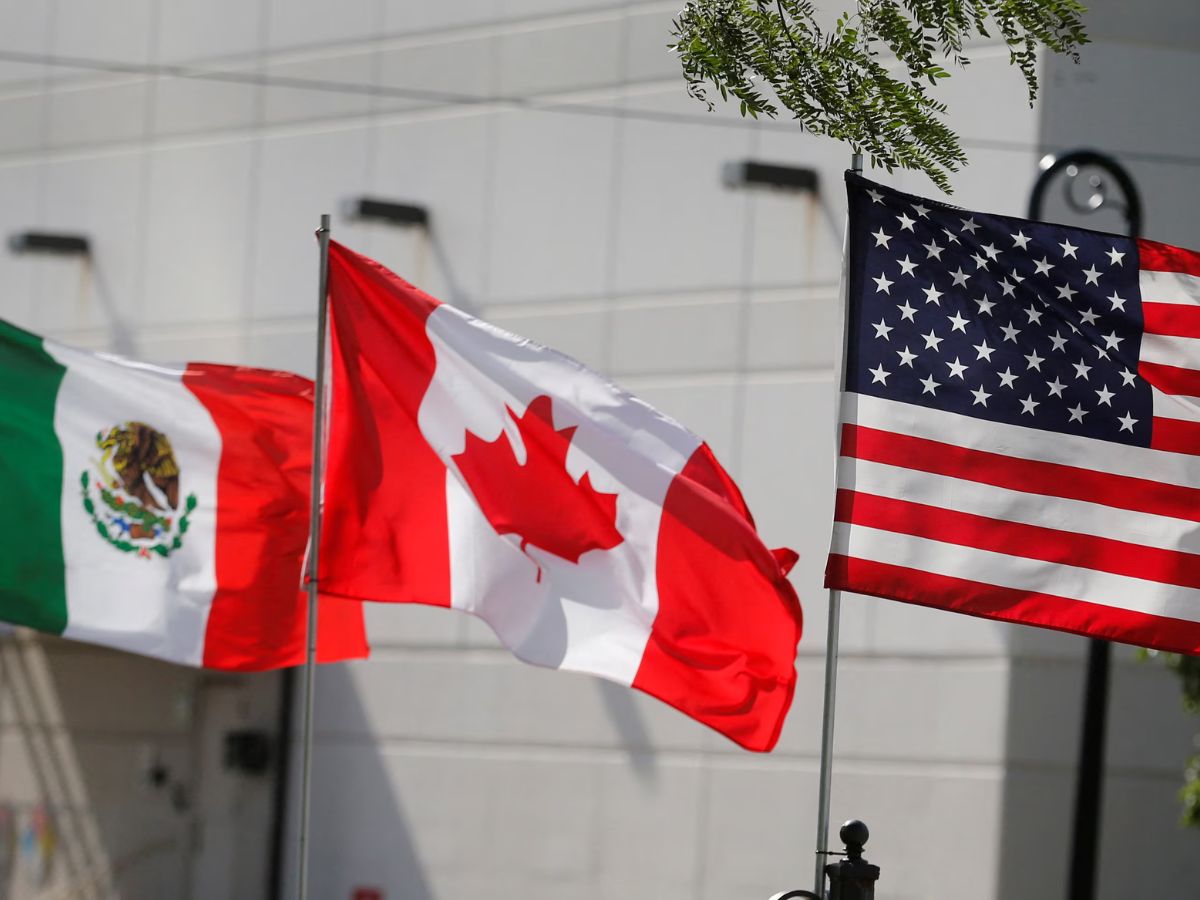
When Canadian Prime Minister Mark Carney visits Mexico City to meet President Claudia Sheinbaum, the visit will be as much about appearances as actual outcomes. Both leaders want to show they can work together without sending a message that they are trying to isolate the United States, especially at a time when Washington’s tariff policies are unpredictable.
Canadian officials are stressing a “comprehensive strategic partnership” with Mexico, but Sheinbaum’s team is careful not to give the impression that the two countries are “ganging up” on the U.S.
A Longstanding Dilemma in North America
The meeting reflects an old dilemma: Canada and Mexico depend heavily on the U.S. for trade and investment, yet both want to reduce that dependence by strengthening ties with each other. This effort must be done carefully, since former president Donald Trump’s trade wars have made Washington even more sensitive to such moves.
Historically, Ottawa has not paid enough attention to Mexico. Former Canadian ambassador Graeme Clark noted that “ignoring Mexico” has been a recurring flaw in Canadian policy. Trade figures highlight the imbalance: in 2024, bilateral trade hit C$56 billion, but C$47 billion was Mexican exports to Canada, compared with just C$9 billion flowing the other way.
Canadian companies, however, have invested around C$50 billion in Mexico, especially in energy and mining. Still, Mexico is often seen in Ottawa through a shallow lens of “beaches and fiestas,” Clark said, which prevents deeper engagement.
Carney Breaks With Tradition
Carney’s visit is unusual because Canadian prime ministers typically meet Mexican leaders only during the “Three Amigos” summit with the U.S. By choosing a stand-alone visit, Carney signals that Mexico is important on its own. This follows his move earlier in the year to invite Sheinbaum to the G7 Summit in Alberta the first Mexican president to attend such a Canadian event since Felipe Calderon addressed Parliament in 2010.
By contrast, Sheinbaum’s predecessor Andres Manuel Lopez Obrador never visited Canada during his six-year term. Carney’s outreach is also meant to repair trust after Canadian leaders once suggested a separate trade deal with Washington, which Mexico saw as disloyal.
The Trump Factor
A big challenge is managing the relationship with the U.S. without appearing to form a counter-bloc. Mexican officials want to avoid such optics, while Canadian officials seem less worried.
One senior Canadian official told Politico bluntly: “you can’t gang up on the United States.” But Mexico remembers times when Canada seemed ready to prioritize Washington, such as during the USMCA renegotiations and later when Canadian leaders hinted at a possible U.S.-only trade deal.
Carney’s visit is meant to reassure Sheinbaum that Canada values the trilateral system while also seeking stronger bilateral ties.
Shared Economic Pressures
The urgency comes from the ongoing fallout of Trump’s tariff measures. Canada’s economy recently contracted, with industries like steel, aluminium, autos, and forestry hit hard. Mexico, however, managed to secure a temporary tariff exemption from Trump, which Canada did not.
Mexico appears less shaken, partly because it is used to U.S. pressure and partly because its auto sector and low labor costs give it leverage. Carney, facing a possible recession and domestic pressure, needs quick trade policy wins.
Building New Links
Both leaders are exploring infrastructure projects that could allow trade to bypass the U.S. in some supply chains. Canadian officials have even discussed building new port facilities in Mexico.
Other priorities include fighting drug trafficking, arms smuggling, and human trafficking, issues that Trump has used to justify tariffs.
Energy ties are also growing. Canadian firm TC Energy recently finished the 440-mile Southeast Gateway natural gas pipeline in Mexico, which Sheinbaum praised as a major boost for southern Mexico’s economy.
Shared Industrial Goals
There is strong alignment between Sheinbaum’s “Plan Mexico” and Carney’s strategy to reduce reliance on what he has called an “unreliable” U.S. Both want to diversify, strengthen domestic manufacturing, and position themselves in supply chains for clean energy and critical minerals.
A Question of Perception
Still, public perception remains a hurdle. Former Canadian trade minister Mary Ng admitted that both countries often treated each other as secondary players during the Trump years, keeping the relationship functional but uninspired. The backdrop to Carney’s visit is the coming renegotiation of the USMCA trade pact. No major announcements are expected, but the trip lays the groundwork for stronger trust before talks with Washington.
The symbolism matters: a Canadian prime minister is making Mexico a priority outside of the trilateral format. As Carney and Sheinbaum shake hands, they carry the responsibility of building economic resilience and diversifying supply chains while avoiding Trump’s backlash. The key question is whether they can deepen their partnership without sparking the very storm they want to prepare for.
Also Read: China, India, and Pakistan Among Nations Named in Trump’s Drug Trade Warning