Britain has approved construction of a new Chinese embassy in London after stalling the decision for seven years over planning disputes and a diplomatic standoff that has complicated efforts to repair damaged relations between the two nations.
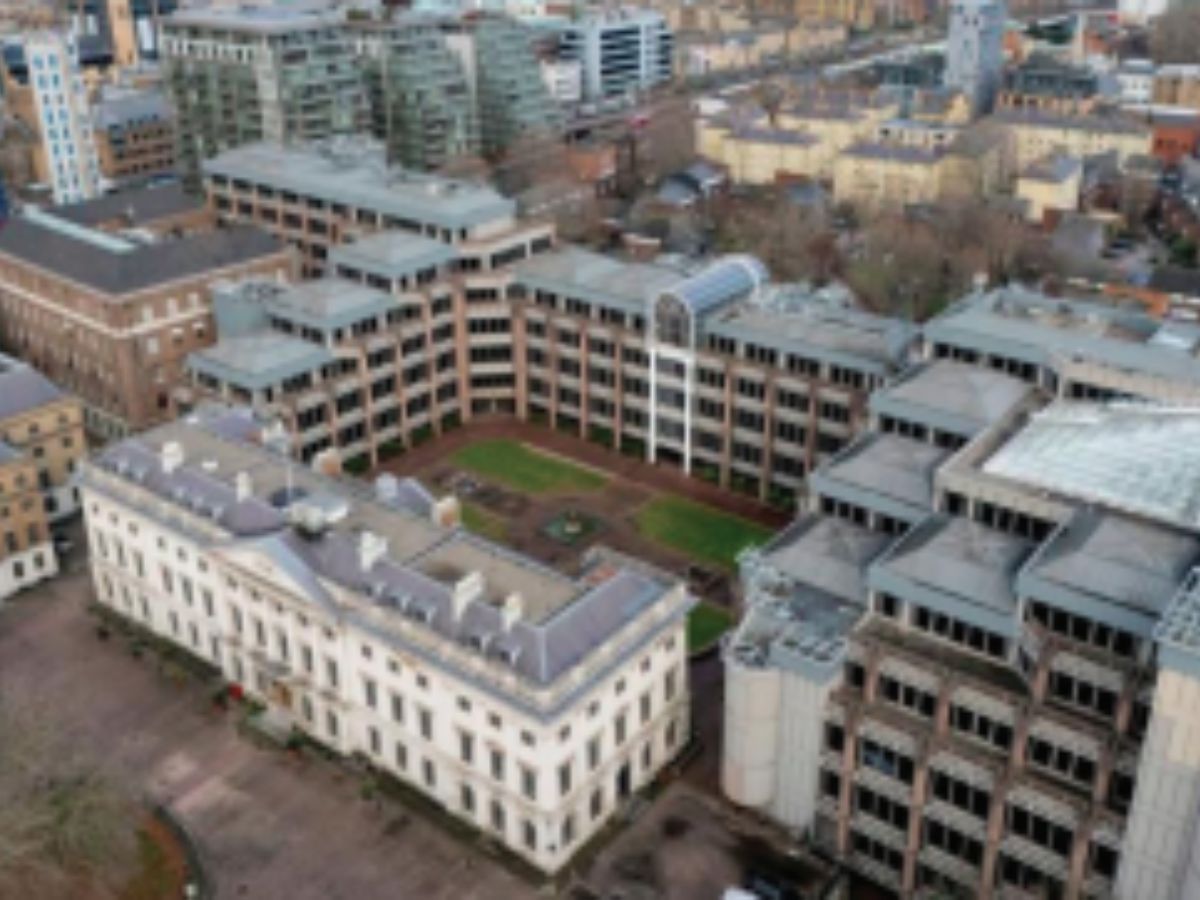
May 2018 – China announced plans to build a new embassy in London on the former site of the Royal Mint – the maker of British coins – after purchasing land on the site for about 250 million pounds ($337 million). The new embassy would replace China’s main diplomatic premises in Portland Place in the Marylebone district of central London. This has been the site of China’s embassy since 1877 when it was opened as the country’s first permanent overseas diplomatic mission. Chinese diplomats say they need a new embassy because the current space is too small and they use several buildings across London to host the work of officials who work on science, defence, culture and visa services. When the Chinese government bought the land, Britain’s then Conservative government gave its approval. The then foreign minister, Boris Johnson, welcomed what he said at the time was China’s “largest overseas diplomatic investment”. China’s then ambassador, Liu Xiaoming, expressed hopes that the deal would “write a new chapter for a China-UK golden era”.
June 2021 – China submitted its plans to redevelop the site to the Tower Hamlets council in east London. Under British law, local governments handle most planning decisions.The plan set out how China planned to build an embassy with a footprint of about 55,000 square metres (600,000 square feet) which would be China’s biggest mission in Europe. The new embassy would include enough space for offices, housing for diplomats and staff, as well as commerce, consular services, educational and cultural centres.
December 2022 – The problems began when Tower Hamlets council unexpectedly refused to grant permission for the project saying it would impact on the lives of residents. While unelected planning officers in Tower Hamlets council accepted the plans, local elected councillors overruled them at a meeting. The councillors sided with local residents who said they could be swept up in protests at the site and complained about China’s treatment of Uyghurs, a sensitive issue for residents in an area of east London that has a large Muslim population.
August 2023 – China paused plans to build a new embassy when it missed a deadline to appeal against the local council’s decision. China would only resubmit its application if it received a promise from the British government to intervene, sources told Reuters at the time. Around this time, British officials said London’s plans to rebuild its embassy in Beijing could be impacted in a tit-for-tat response unless China was allowed to relocate its embassy.
July 2024 – Two weeks after British Prime Minister Keir Starmer’s Labour Party won one of the largest parliamentary majorities in recent history, China resubmitted its planning application to the local government.
August 2024 – Chinese President Xi Jinping raised his concerns about the failure to approve the embassy decision with Starmer in their first call.October 2024 – The British government took control of the stalled planning decision under powers that allow it to do so if an application is controversial, or nationally significant.