
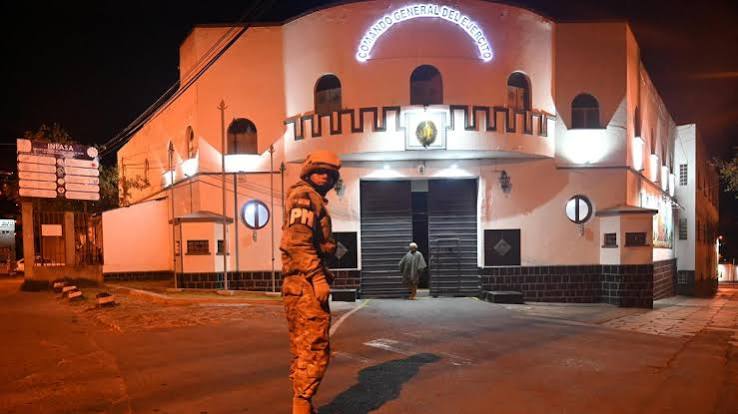
Bolivia began showing signs of returning to normalcy on Sunday, a day after President Rodrigo Paz declared a state of emergency to resolve a 50-day social crisis that had blocked the nation’s main highways.
Early Sunday, the Legislative Assembly overwhelmingly approved Paz’s decree, which aimed to restore transit and supply essential goods after protesting groups cut off key roads for weeks, stranding trucks and choking supplies of food, fuel and medicines to many areas.
Sunday’s vote in congress coincided with several breakthroughs. In Santa Cruz, officials and protest leaders signed an agreement to lift a critical blockade in the town of San Julian. Meanwhile, a prominent campesino federation in La Paz announced a pause in its protests, although it said the group’s demands still stood.
While police and military forces remain deployed, the national highway authority reported that there were no active blockades remaining related to protests. However, many roads require significant cleanup and repair from damage sustained during the protests.
The conflict erupted after Paz, in office since November, abruptly cut longstanding fuel subsidies to shrink the deficit amid a worsening dollar crunch and talks with the International Monetary Fund. Despite later steps to stabilize fuel prices and reverse unpopular land reforms, protests intensified, with unions demanding wage increases, an end to fuel and dollar shortages, and Paz’s resignation.
Analysts and legal experts have warned that the emergency powers could deepen unrest if they fail to address the protests’ underlying causes.
The easing of tensions on Sunday coincided with the celebration of the Andean-Amazonian New Year.
At ceremonies across the country, government officials and indigenous representatives called for unity and reconciliation. During a celebration in La Paz, Tourism Minister Cinthya Yanez expressed hope that “prosperity” and “bounty” would return and that Bolivians would once again “join hands.”