
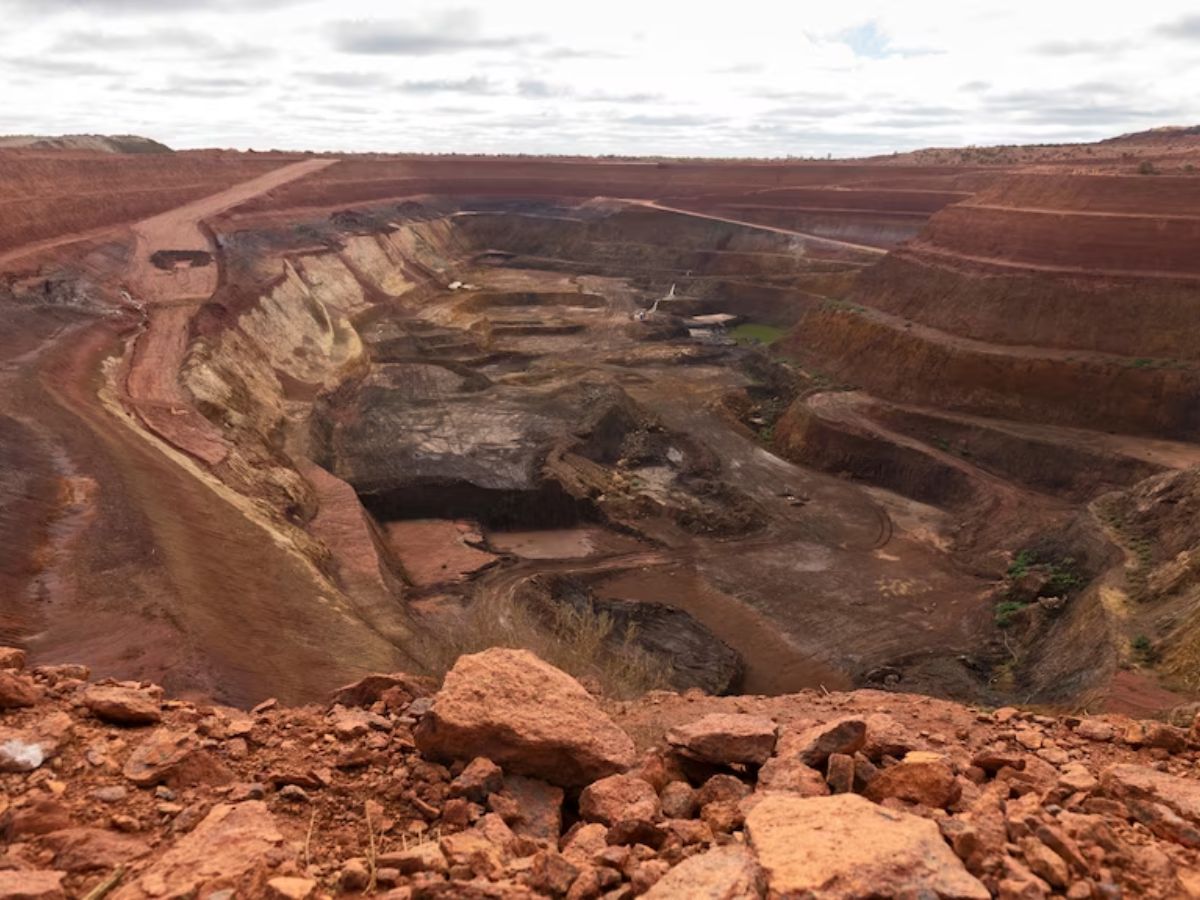
Drive three hours north of Perth and you reach Eneabba, a remote patch of Western Australia dotted with barren hills. Beneath this desolate land lies a million-tonne stockpile of critical minerals, a resource that could help loosen China’s iron grip on the rare earths market.
The deposit belongs to Iluka Resources, a mining company that has been extracting zircon for decades. By chance, the byproducts of this work include dysprosium and terbium, two of the most sought-after rare earth elements used in electric vehicles, wind turbines, and defence systems.
A Global Supply Chain on Edge
Rare earths became headline news earlier this year when China tightened export controls on rare earth magnets. Automakers scrambled—Ford even halted production of its popular Explorer SUV at a Chicago plant for a week. CEO Jim Farley later admitted the shutdown was due to a rare earth shortage, warning that supply was being managed “day to day.”
While Beijing eventually allowed shipments to resume, the scare exposed a deep vulnerability: China controls the vast majority of global rare earth production and processing, giving it the power to choke supply at will.
Iluka’s Billion-Dollar Play
To combat this reliance, the Australian government has loaned Iluka A$1.65 billion ($1 billion) to build a rare earth refinery—the first of its kind in the country. The goal: supply a significant share of Western demand by 2030.
“We expect to be able to supply a significant proportion of Western demand for rare earths,” says Iluka CEO Tom O’Leary McGrath. “An independent, secure, and sustainable supply chain outside of China is fundamental for the continuity of our customers’ businesses.”
The refinery will take at least two years to complete, but Iluka is already fielding requests from automakers planning their production schedules years in advance.
The Processing Problem
Mining the minerals is only the first step, processing them is the real challenge. Rare earth elements are chemically similar, requiring dozens of refining stages to separate. The process also creates radioactive waste, an environmental hazard that has scarred China’s mining regions for decades.
“In Australia, we have the legal frameworks to manage it responsibly,” says Professor Jacques Eksteen of Curtin University. “No metal industry is completely clean, but we can at least do it to high environmental standards.”
Strategic Necessity for the West
Canberra sees rare earth independence as a matter of national security. Australia’s Resources Minister Madeleine King is blunt: “The open international market in critical minerals and rare earths is a mirage… There is one supplier, and they control pricing and supply.”
The EU has accused China of using its “quasi monopoly” as leverage in global trade disputes. With demand for rare earths expected to surge 50–170% by the decade’s end, Western governments see Australia as a crucial alternative source.
Also Read: Elon Musk Accuses Apple of Stifling Competition in AI Apps
The Bigger Picture
Rare earths are at the heart of the green energy transition and modern defence technology. Any disruption in supply could ripple through the automotive, renewable energy, and electronics industries, making Eneabba’s dusty pit more geopolitically significant than it looks.
Whether Australia can scale its refining capacity fast enough remains the question. But with billions invested and global demand rising, Eneabba might become the unlikely front line in the West’s race to break China’s rare earth dominance.