
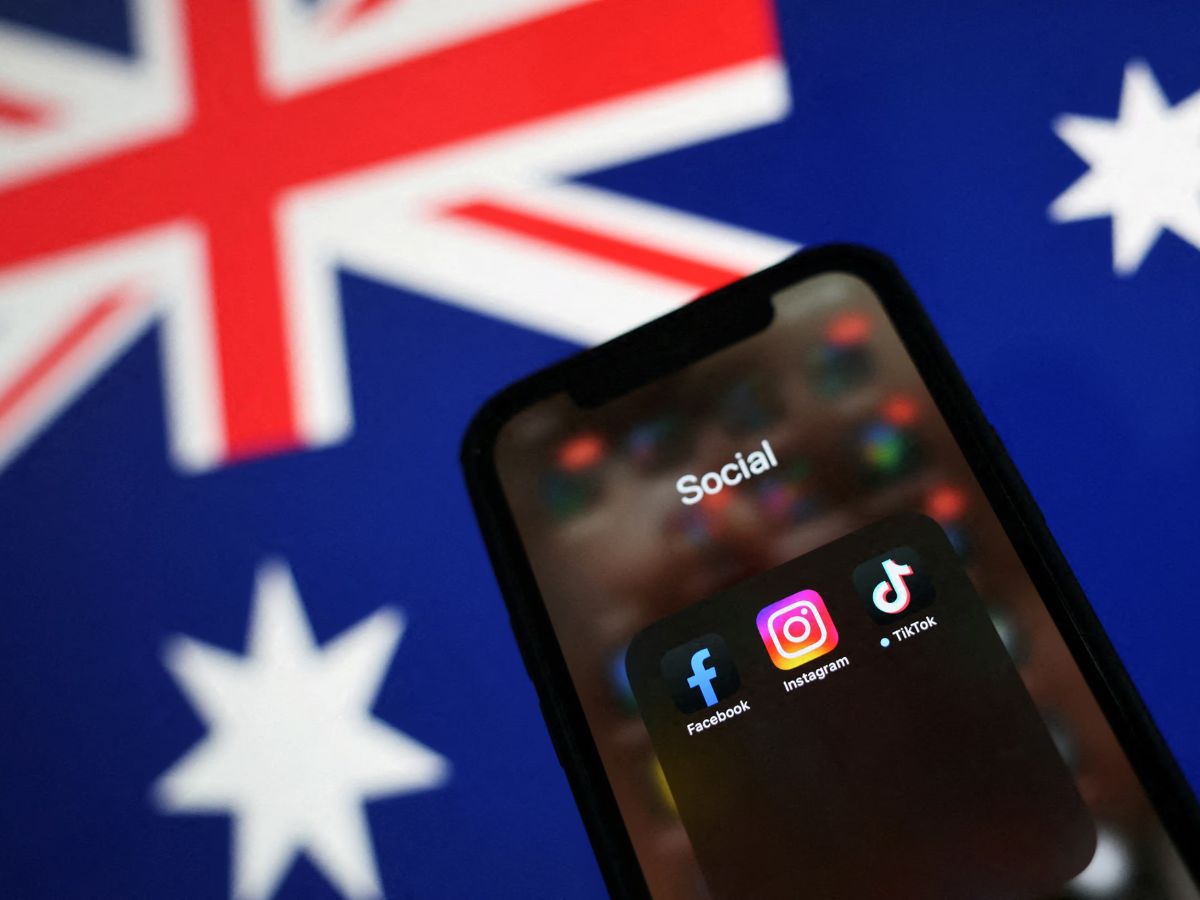
Australia is about to enforce one of the strictest social media age laws in the world. From December 10, anyone under 16 will no longer be allowed to hold accounts on major platforms like YouTube, Instagram, TikTok, Facebook, and others. The government says the move aims to protect children from harmful content and predatory algorithms, but YouTube and several experts warn the ban could make youngsters even more vulnerable online.
Australia Social Media Ban (Under 16s): What Does the New Law Do?
The law prohibits children under 16 from creating or keeping accounts on most well-known social media platforms. Platforms must remove or block existing under-16 accounts by December 10 or face fines up to A$49.5 million (≈ US$33 million).
The list of banned platforms includes Instagram, Facebook, TikTok, Snapchat, X, YouTube, Reddit, Twitch, and others. Underage users can still view content without an account, but lose commenting, posting, subscriptions, and safety tools like content filters or “well-being settings.”
According to the government, the ban intends to cut off what it calls “predatory algorithms” that exploit young people’s vulnerabilities.
Why YouTube Says the Ban Could Make Kids Less Safe
Although YouTube initially argued for an exemption, citing its role as a learning and educational platform, the government reversed that decision. Now, YouTube warns that the ban could backfire, it will sign out all under-16 users starting December 10 based on their Google account age.
Users will lose access to safety tools like “content filters,” “take-a-break” reminders, playlists, and subscription features that help manage exposure and shield children from harmful content.
YouTube says this “rushed regulation misunderstands … the way young Australians use the platform” and could leave them more exposed to risky or unmoderated content. As YouTube’s policy manager, Rachel Lord said, “This law will not fulfil its promise to make kids safer online, and will, in fact, make Australian kids less safe on YouTube.”
Australia Social Media Ban (Under 16s): What Platforms Are Affected & What’s Still Allowed?
Blocked for under-16s:
Facebook, Instagram, TikTok, Snapchat, X, YouTube, Reddit, Twitch, Kick, and other social media sites are designated under the law.
Still allowed or exempt (for now):
Platforms primarily focused on gaming, education, or niche services like YouTube Kids, educational platforms, messaging apps and some gaming platforms — may not fall under the ban. Access to content without accounts remains possible. So teens can still watch videos, but lose all interactive and safety features.
Australia Social Media Ban (Under 16s): What the Government Says?
Supporters call the ban necessary to shield children from online harm: mental-health threats, cyberbullying, addiction, predatory behaviour, and algorithmic manipulation. Communications Minister Anika Wells labelled social media a “purgatory” shaping teen insecurities.
But critics, tech platforms, educators and digital-rights advocates argue:
- The ban may block useful and educational content (on YouTube, especially).
- It removes parent and guardian oversight tools, potentially leaving children more exposed.
- It could encourage kids to use unregulated, potentially unsafe platforms or find workarounds.
- Enforcement and age-verification pose big privacy and technical challenges.
Australia Social Media Ban (Under 16s): What Happens After December 10 & What to Watch For?
Platforms must start monthly reporting of how many under-16 accounts they remove, under threat of heavy fines.
Regulators will monitor “migration” of teens to non-blocked or newly added services. The “banned list” is dynamic, meaning more apps could be added later if misuse is spotted.
The real test will be whether kids can access social media via unregulated channels, VPNs, or gaming-style platforms — or if the restrictions succeed in reducing harm.