
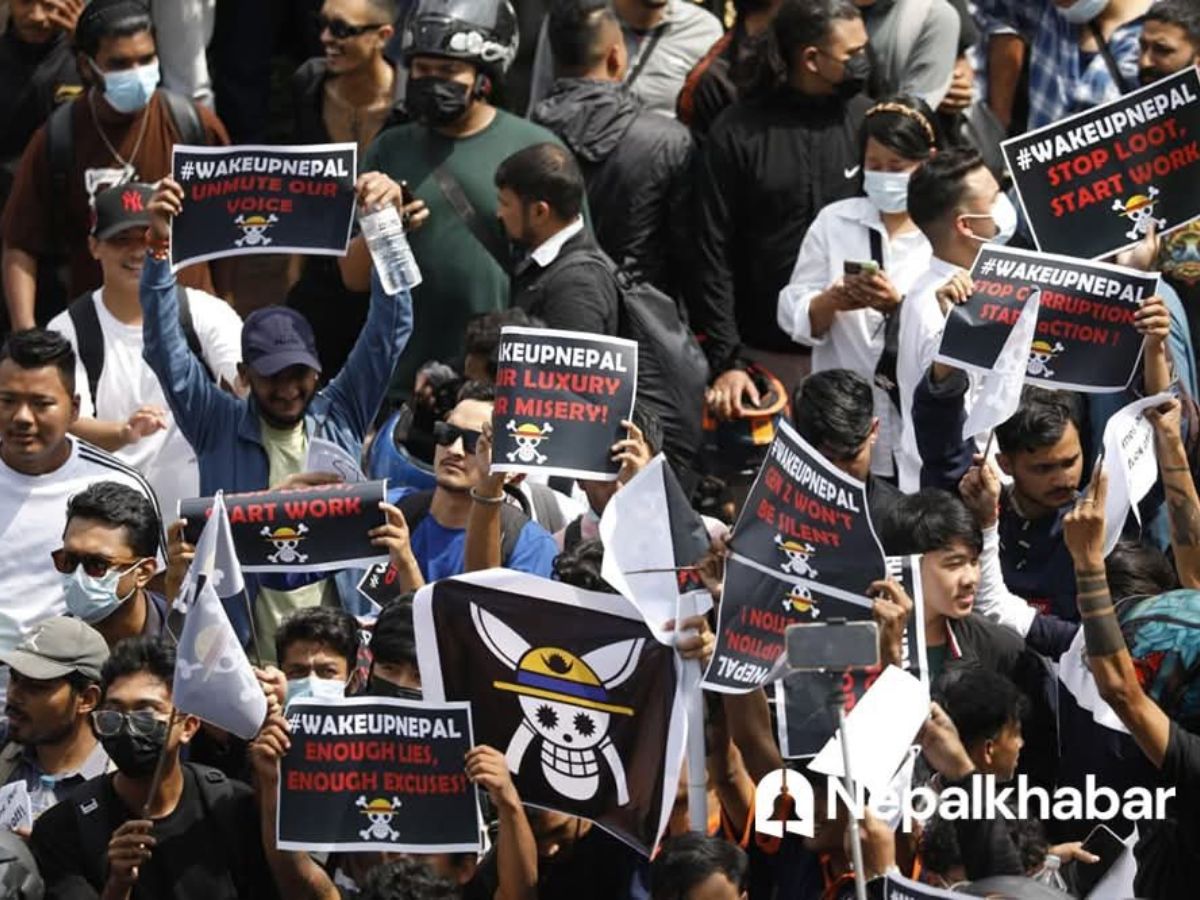
Mass demonstrations broke out in the capital of Nepal, Kathmandu, on Monday, killing several individuals after the government directed internet service providers to ban popular social media sites such as Facebook, Instagram, YouTube, and X.
The Ministry of Communication and Information Technology directed regulators recently to block access to 26 foreign sites, including Messenger, Discord, Reddit, WeChat, and Snapchat. The companies were ordered to register locally within seven days and have a representative in Nepal.
The requirement for registration had previously been upheld by the Supreme Court, which said it was essential to manage revenue and stop misinformation. But it did not ask for a ban, just for legal frameworks to be established.
ALSO READ: Nepal Protests Turns Violent: Army Deployed, Parliament Gate Set on Fire | Watch
The new regulations precede a broader bill that would propose fines or imprisonment for content considered to be ‘against national interest’. Such efforts are threatened to be damaging to press freedom and online expression, according to critics, although the government says it does not seek to stifle free speech.
Impact of the Ban
The ban took effect on September 5, immediately sparking outrage, especially among young citizens who identify as ‘Gen Z.’ They organized nationwide protests, accusing the government of stifling free expression while ignoring corruption.
Facebook dominates the Nepal’s social media landscape with over 90% internet penetration. It holds 87% market share. X, formerly Twitter, has 6%, followed by YouTube. Civil groups compared the restrictions to China’s strict censorship.
ALSO READ: Why Nepal’s Gen-Z Is Leading Mass Protests in Kathmandu?
The Committee to Protect Journalists cautioned that the ban would ‘impair the capacity of the news media to report’, while the Federation of Nepali Journalists termed it as undermining citizens’ rights. Some reporters also got hurt in the course of protests.
Government’s Stand
Communication Minister Prithvi Subba Gurung stated that the platforms were provided enough time to register. He also mentioned that access would also be restored after the companies comply. TikTok and Viber are not affected, having already undergone registration.