
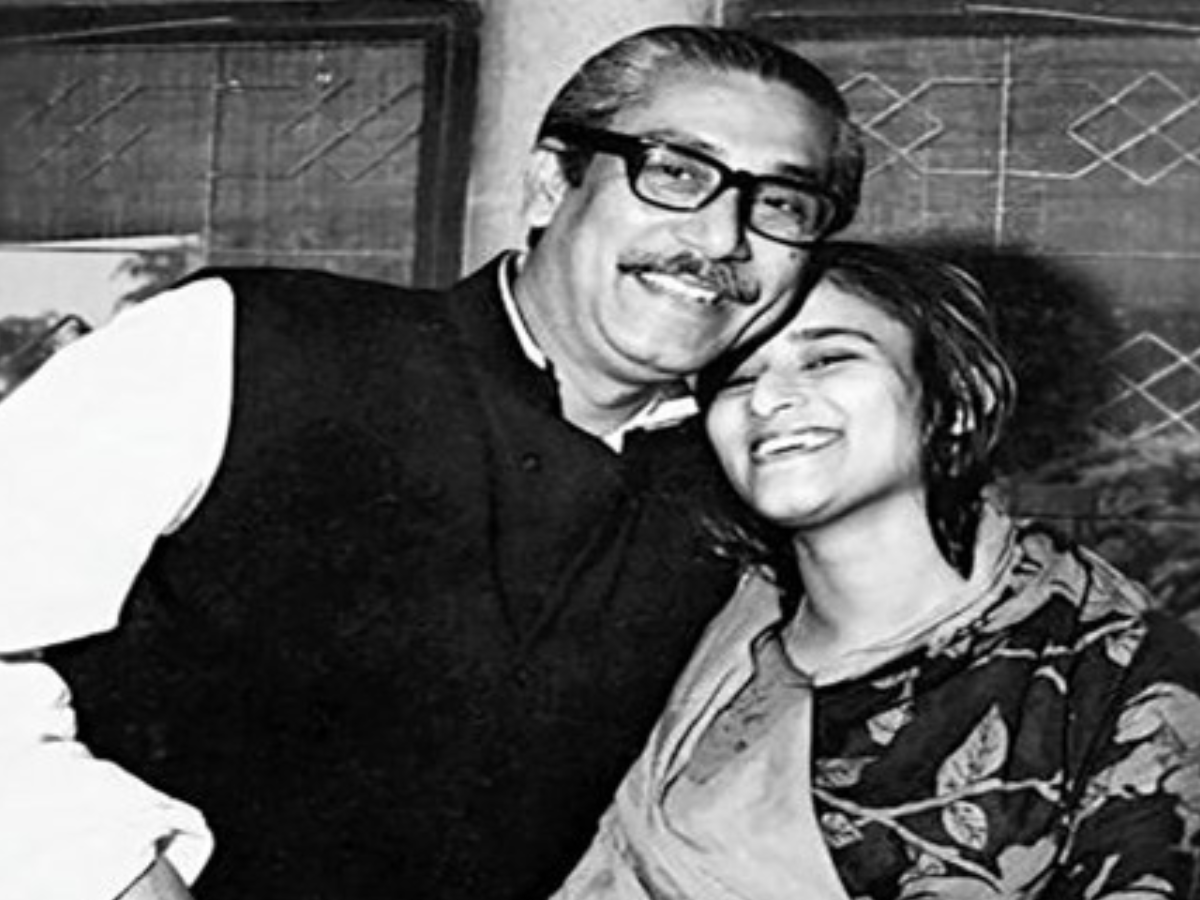
In a shocking turn of events on 17 November 2025, a domestic war crimes tribunal sentenced Sheikh Hasina, the former Prime Minister of Bangladesh and daughter of Sheikh Mujibur Rahman, to death. The verdict sent shockwaves across Bangladesh and the world, reviving debates about justice, political power, and the nation’s turbulent history.
As the country grapples with this historic ruling, the legacy of Sheikh Mujibur Rahman, the founding father of Bangladesh and architect of its independence, has come sharply into focus, reflecting the enduring influence his family has over the nation’s politics and the ongoing struggle between democratic ideals and political upheaval.
Who was Sheikh Mujibur Rahman?
Sheikh Mujibur Rahman was born on 17 March 1920 and died on 15 August 1975; he is celebrated as the Father of the Nation in Bangladesh. Revered as “Bangabandhu,” he was the central figure behind the country’s liberation struggle and the creation of an independent Bangladesh in 1971. His powerful leadership, mass mobilization, and unwavering political stance against authoritarianism shaped the foundation of the new nation.
Today, as his daughter Sheikh Hasina faces a controversial death sentence from a war-crimes tribunal amidst political turmoil, Mujib’s legacy has returned to the center of global attention. The dramatic turn of events has brought renewed reflection on his life, ideals, and the turbulent history of Bangladesh’s political landscape.
Sheikh Mujibur Rahman Education
Mujib had pursued law and political science in his formative years. He attended some of Bengal’s prestigious institutions, attending higher education first at the University of Calcutta and later at the University of Dacca, now Dhaka. His exposure to student politics and activism during this period significantly shaped his worldview and future political path.
Sheikh Mujibur Rahman Death Reason
Mujib was killed in a bloody coup led by some junior officers of the military. It was no spontaneous killings; instead, it was a well-planned political overthrow for which internal conspiracies, the tension between rival power groups, and discontent in sections of the military and bureaucracy were responsible. It marked an abrupt end to civilian leadership and introduced years of military influence in the governance of Bangladesh.
Sheikh Mujibur Rahman Assasination
In the early hours of 15 August 1975, armed soldiers surrounded and stormed Mujib’s Dhanmondi 32 residence. Mujib was killed along with most of his family members including wife, sons, and close relatives. His daughters Sheikh Hasina and Sheikh Rehana survived because they were abroad.
The leaders of the coup quickly formed a new interim government-a stunning and tragic diversion from Mujib’s vision of democracy.
Brother of Sheikh Mujibur Rahman
Among Mujib’s siblings, his brother Sheikh Naser also lost his life during the 1975 massacre. The brutal killings targeted the broader Sheikh family, aiming to eliminate influence and future political succession from the Mujib lineage.
Books Written by Sheikh Mujibur Rahman
The writings of Sheikh Mujibur Rahman remain influential in comprehending his ideology and personal journey. His most widely acknowledged work, The Unfinished Memoirs, has given a glimpse into the struggles, political awakening, and years of imprisonment he experienced.
A number of other books and biographies relate his contribution to the independence movement, his leadership style, and the socio-political transformation he spearheaded.
Sheikh Mujibur Rahman’s Daughter
Sheikh Mujibur Rahman has two daughters:
- Sheikh Hasina – Long-serving Prime Minister of Bangladesh and currently at the centre of political turmoil after being sentenced to death by a tribunal.
- Sheikh Rehana is the younger daughter who, because she was abroad, survived the assassination plot in 1975. She remains an influential figure within the family and political circles.