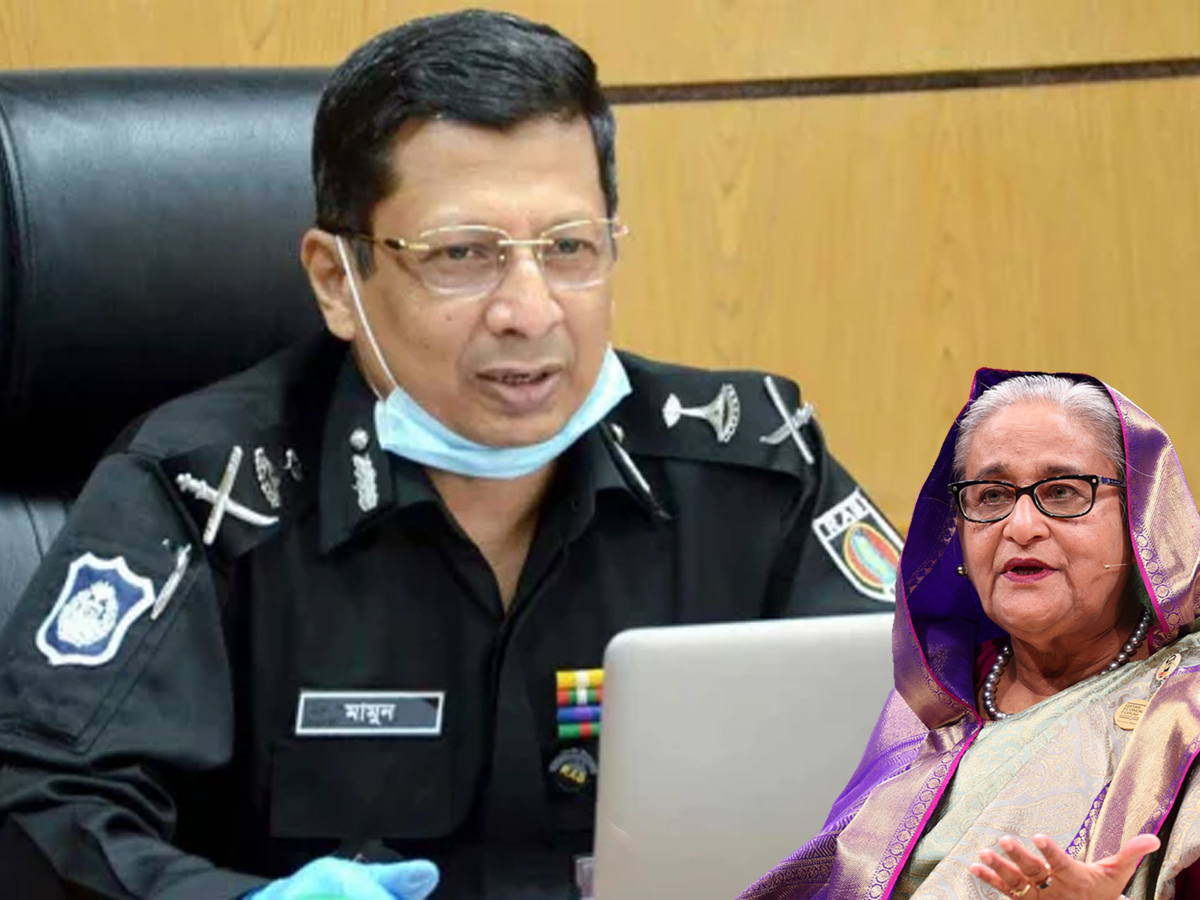
A Bangladesh tribunal delivered a historic judgment on Monday as it handed the death penalty to former Prime Minister Sheikh Hasina and former Home Minister Asaduzzaman Khan Kamal. Both leaders stand convicted of crimes against humanity linked to the July–August 2024 student-led uprising. The court, however, gave a lighter punishment to former Inspector General of Police Chowdhury Abdullah Al-Mamun, who received just 5 years in jail after he turned state witness.
Hasina, 78, continues to stay in exile in India and has refused to return for trial, and Asaduzzaman Khan Kamal is also on the run. In contrast, Mamun is currently in custody and is the only one who appeared in court throughout the proceedings.
How Al-Mamun Avoided the Death Penalty?
Mamun escaped the noose because he confessed to the charges and offered to help the tribunal. In July, he filed a petition to become a state witness. The International Crimes Tribunal-1 accepted it after reviewing his statement and cooperation.
During hearings, the tribunal read out the charges to him and asked whether he accepted responsibility. Mamun admitted to everything and agreed to disclose all information related to the killings during the uprising.
Chief Prosecutor Mohammad Tajul Islam told reporters that the tribunal asked Mamun whether he accepted the allegations. “He confessed. Since he had firsthand knowledge of the crimes committed in July–August 2024, he has volunteered to help the tribunal uncover the full truth and requested to be treated as a state witness,” he said. “The tribunal granted that request.”
Al-Mamun Apologised to the Country
In September, Mamun appeared as a state witness and directly blamed Hasina and Kamal for the violence. He apologised to the country and the victims’ families.
“The killings were carried out under direct orders from former PM Sheikh Hasina and former home minister Asaduzzaman Khan Kamal. Please forgive me,” Mamun told the tribunal.
Public Anger Over Mamun’s 5-Year Sentence
The tribunal’s decision triggered strong reactions across Bangladesh. Families of those killed during the July 2024 movement expressed deep disappointment and questioned the fairness of Mamun’s reduced sentence.
According to a victim’s family member quoted by Jamuna TV, the punishment does not match the severity of Mamun’s actions.
“Hasina and Asaduzzaman got the death penalty, but for Mamun, who shot at our children from the sky, I cannot accept that just five years in prison is considered punishment,” the family member said.
Leaders of the student movement also opposed the verdict. BNP leader Mir Snigdho, who played a key role in the protests, said he will challenge Mamun’s sentence in a higher court.
He told Jamuna TV, “We will appeal against Mamun’s five-year sentence, or at the very least, we want life imprisonment.”
The tribunal’s ruling has also intensified political debate in the country, with critics arguing that the reduced sentence was the result of Mamun’s cooperation rather than justice for the victims.