
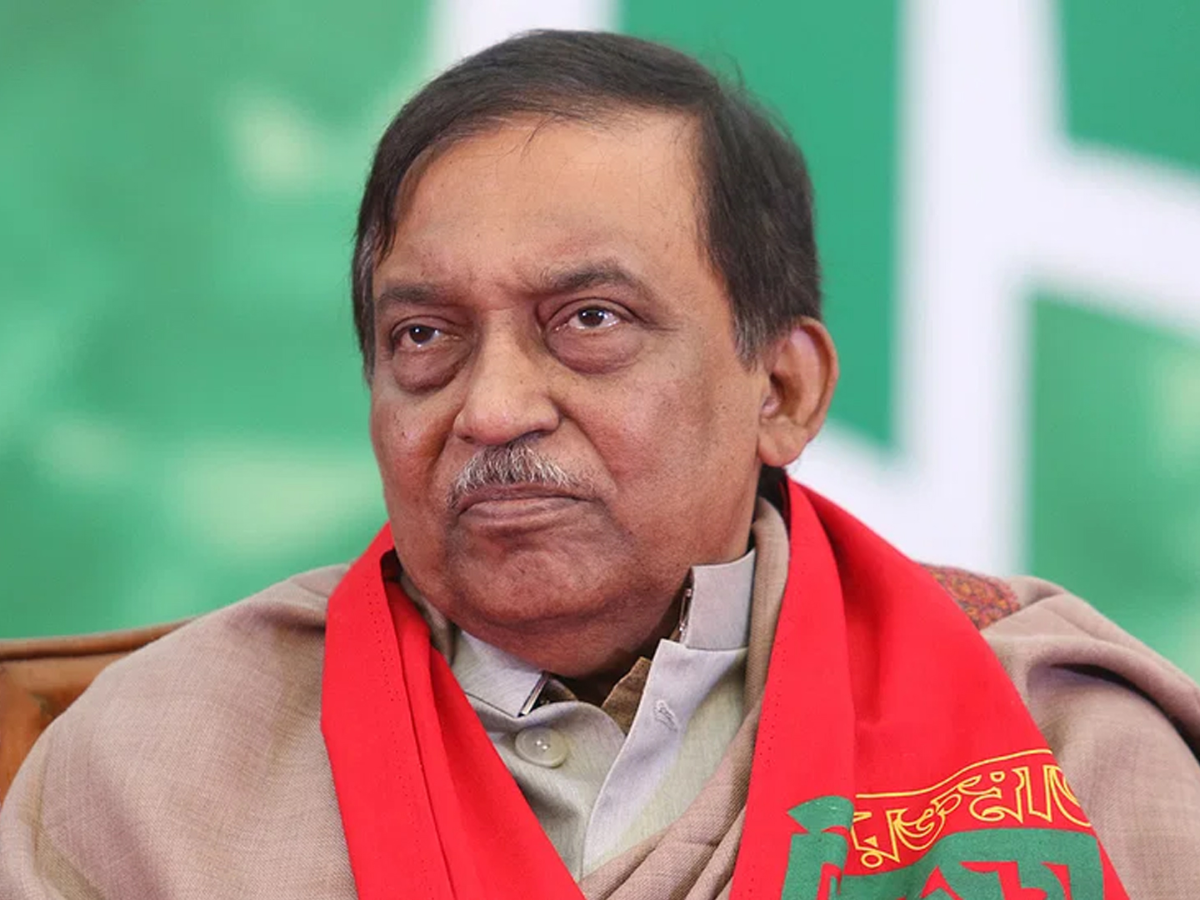
Asaduzzaman Khan Kamal’s name has come to the fore in Bangladesh’s politics again after a death sentence was delivered today he and former Prime Minister Sheikh Hasina have both been sentenced to death by a special tribunal for their alleged roles in the 2024 unrest.
Who is Asaduzzaman Khan Kamal?
The former Home Minister, once hailed as one of the most powerful figures in the Awami League government, has now become a symbol of political downfall and judicial reckoning.
Khans’s conviction, delivered in absentia as he remains a fugitive, has generated intense debate across Bangladesh and the international community, raising questions about accountability, political retribution, and the legacy of the turbulent years leading up to and following the 2024 regime change.
Asaduzzaman Khan Kamal Family
Asaduzzaman Khan Kamal was born into a respected family in Dhaka. His father was Ashraf Ali Khan and his mother was Akramun Nessa. For many years he has been deeply associated with educational and social institutions, participating in the development of several colleges and schools. He is widely known to be an influential individual not only in politics but also in social spheres, with a leading role in educational administration.
Who is Asaduzzaman Khan Kamal’s Son?
Safi Muddasir Khan, the son of Kamal, is often referred to in public circles as “Jyoti,” and he has been at the center of several corruption and financial misconduct accusations. He was named in anti-corruption investigations involving large sums of money, suspicious transactions, and misuse of political connections.
Media reports have described him as acting like an unofficial “shadow minister” who wields influence well beyond that formally permitted. His alleged involvement has deepened the scrutiny surrounding the entire Khan family.
Wife of Asaduzzaman Khan Kamal?
His wife, Lutful Tahmina Khan, also faces cases of corruption related to the illegal amassing of wealth and suspicious financial transactions. Anti-corruption investigators accused her of involvement in money laundering amounting to big sums and possessing assets disproportionate to known sources of income. These allegations were part of the wider legal actions taken against the family.
Asaduzzaman Khan Kamal Home Arrest
Although there was never any independent confirmation of Kamal being put under formal house arrest, the authorities froze a number of bank accounts in his and his family members’ names, imposed restrictions on finances, and filed cases which served to restrict his movement. After the changes in government, Kamal went into hiding, evading arrest as several cases reached advanced stages.
Asaduzzaman Khan Kamal Death Sentence
Asaduzzaman Khan Kamal was sentenced to death after being found guilty of grave offences, including crimes against humanity, murder, and widespread corruption. Investigators connected him with violent activities linked to the 2024 student uprising and broader abuses of authority during his time at the Home Ministry. He was declared a fugitive by the courts after he absconded and failed to appear for trial proceedings.
On 17th November, a special tribunal in Dhaka also sentenced former Prime Minister Sheikh Hasina to death in absentia for her role in the 2024 unrest.
Hasina and Khan, both currently in exile, denounced the trial as politically motivated. The verdict, delivered by a three-judge bench, was broadcast live under tight security.
Asaduzzaman Khan Kamal Political Background
Kamal’s political journey began with the Awami League, of which he steadily rose through party ranks. First elected as a Member of Parliament from the Dhaka-12 constituency, he held many key positions in parliamentary committees. In 2014, he was appointed State Minister for Home Affairs, and in 2015, he became full Minister of Home Affairs.
He has been an influential person, especially in security matters in the country, during his tenure. After the transition of government in 2024, he became a target of wide-ranging investigations and public criticism for accusations of human rights violations and corruption.