
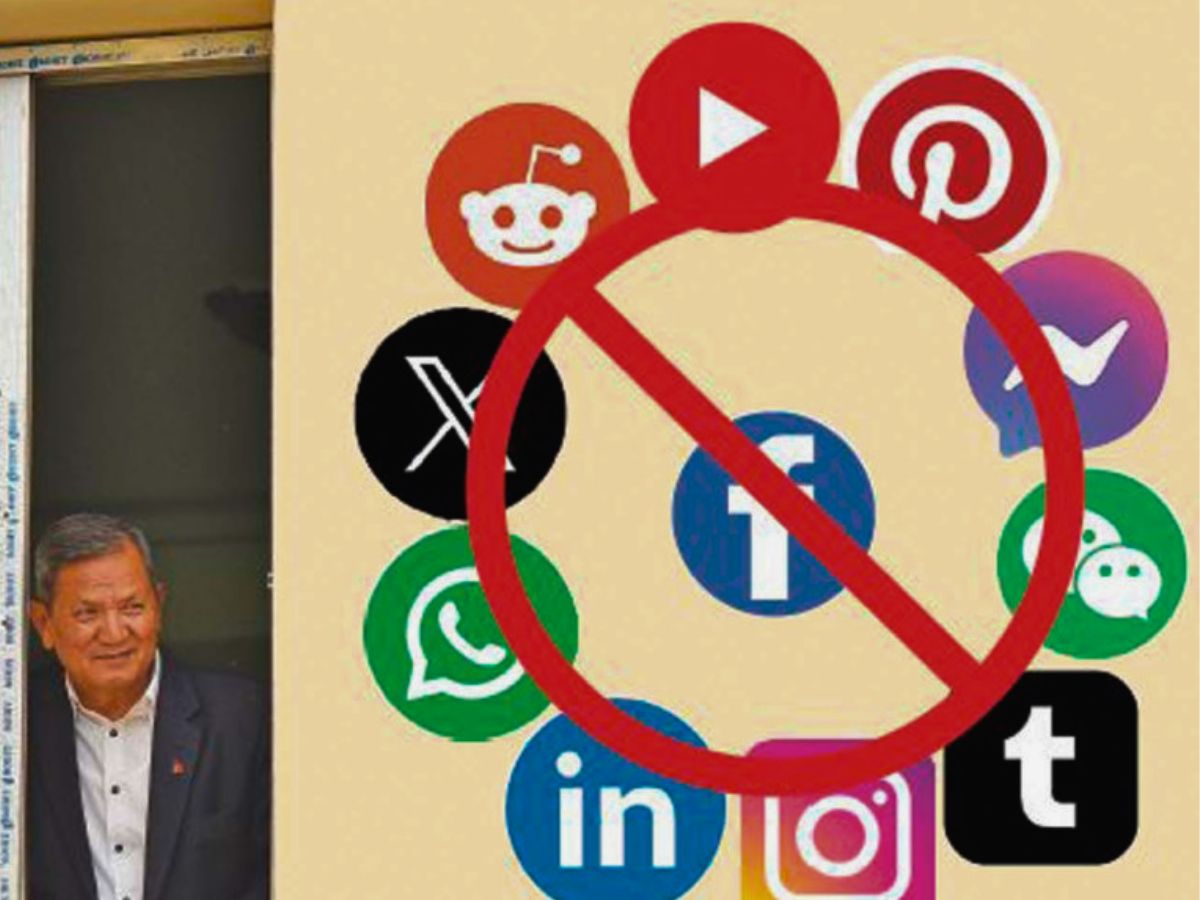
Nepal is going through a major digital change. The government has blocked 26 popular social media and messaging apps, including Facebook, Instagram, WhatsApp, YouTube, and X.
Officials claim the ban will stop fake news and make tech companies more accountable. But the move has created protests, confusion, and fear of isolation.
Why Did Nepal Ban the Apps?
The government now requires all social media and communication apps to register locally. Platforms that did not register were blocked. Authorities say this will:
- Stop the spread of harmful content.
- Protect people’s data and national security.
- Make tech companies responsible.
But critics argue the ban is too harsh and too fast. Instead of targeting misuse, the government has punished millions of Nepalis who use these apps for work, study, and staying in touch with loved ones.
ALSO READ: Nepal: Will Social Media Ban Be Revoked After Gen Z Protests Leave 14 Dead?
26 Apps That Are Blocked
This is the largest app ban Nepal has ever seen. A total of 26 apps are blocked, including:
Meta apps: Facebook, Messenger, Instagram, WhatsApp, Threads
Google app: YouTube
Others: X (Twitter), LinkedIn, Reddit, Snapchat, Signal, Pinterest, Discord, Clubhouse, Mastodon, Rumble, WeChat, Quora, Tumblr, VK, Line, IMO, Zalo, Soul, Hamro Patro
For a country that depends heavily on digital platforms for tourism, small businesses, and remittances, this feels like cutting the internet in half.
Which Apps Still Work in Nepal?
Some apps did register with the government and remain active:
- TikTok
- Viber
- WeTalk
- Nimbuzz
ALSO READ: Nepal Protests Turn Deadly: 16 Killed in Kathmandu as Police Open Fire | Watch
Poppo Live
Some apps are still being reviewed, such as Telegram and Global Diary. While TikTok continues to be a well-liked source of entertainment and information. Viber has emerged as Nepal’s primary messaging app for tourists.
Protests Against the Ban
The ban has led to street protests and online campaigns. Students, business owners, and activists say the ban:
- Limits free speech.
- Hurts small businesses that rely on social media.
- Cuts Nepalis off from the rest of the world.
Many believe this is about control, not safety. The protests show rising distrust between the people and the government in Kathmandu.
ALSO READ: Why Nepal Banned Several Social Media Platforms that Triggered Nationwide Protests?
Cost of a Digital Blackout
Nepal’s economy depends on being connected. Travel companies use Instagram to attract tourists. YouTube is used by students to learn. Nepali families use WhatsApp to talk to relatives living abroad. Blocking these apps creates a gap- rich people can use VPNs, but most people cannot.
Using a ban as the only tool weakens trust, harms businesses, and pushes young people further away from the government.
Moving Forward
Although Nepal banned 26 apps in an attempt to protect its citizens, the restriction is having more negative effects than positive ones. While the rest of the world is expanding its digital reach, the nation shouldn’t seal its doors.
ALSO READ: Why Nepal’s Gen-Z Is Leading Mass Protests in Kathmandu?