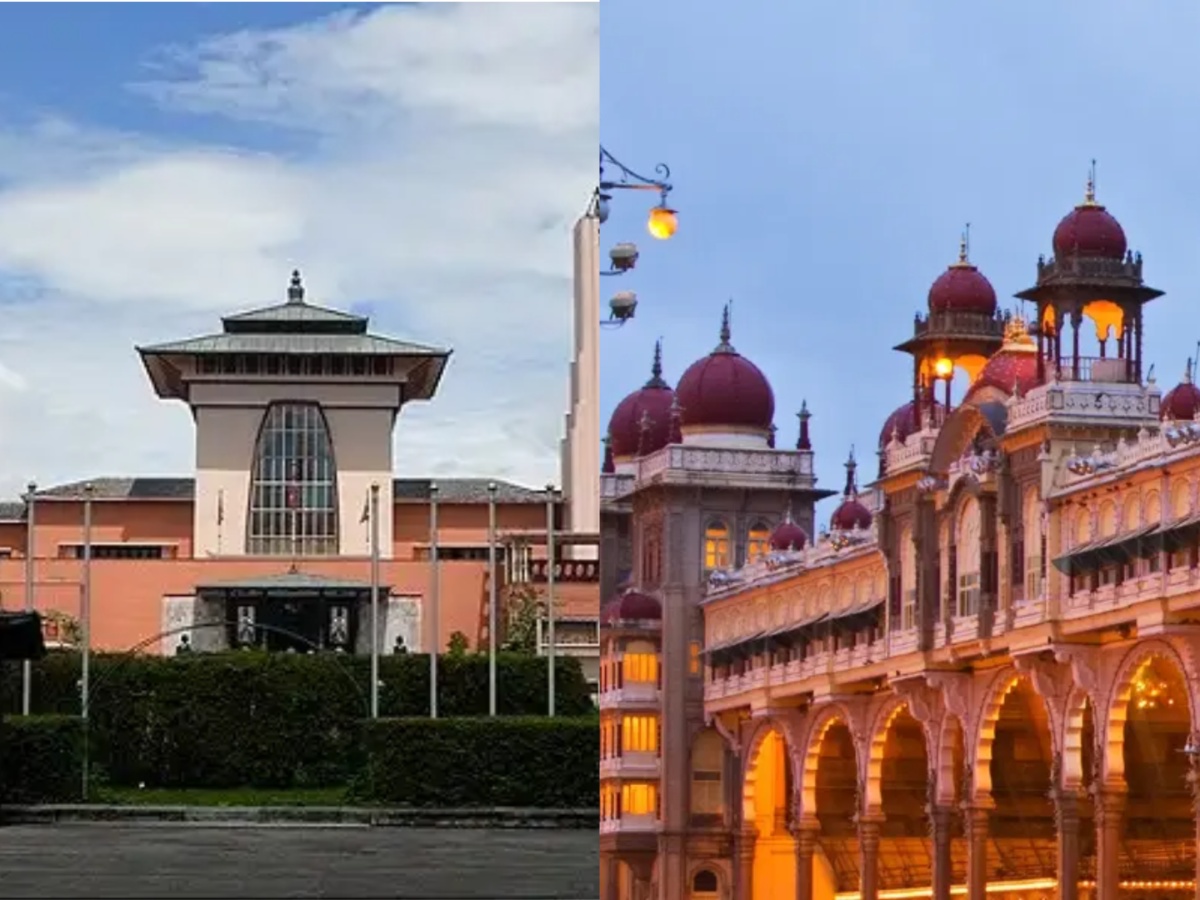
The Narayanhiti Palace is a historical site located in the heart of Kathmandu, Nepal and it was once a grand royal palace that not only bears the beauty of an era gone by but also reflects the troubled past of Nepal’s monarchy while constructed in the middle of the 20th century, the palace was the royal family’s abode until the unfortunate royal tragedy of 2001. Today, it exists as a museum, upholding the history of Nepal’s royal heritage. In this article will discuss its location, history, importance, and the fateful royal tragedy that continues to shadow the country.
What is Narayanhiti Palace?
Narayanhiti Palace is situated in the capital city of Kathmandu, Nepal. It was initially constructed in the 1960s as the Shah dynasty’s royal palace. Perched above the greenery of the Narayanhiti garden, the palace reflected the nation’s royal legacy and grandeur. The palace complex covers more than 15 acres and houses grand halls, lavish rooms, and green gardens. It was not only a residence to the royal family but also a location where official state events, national holidays, and major political matters were held.
A Brief History of Narayanhiti Palace
The Narayanhiti Palace was started in the early 1960s by King Mahendra. Its architecture was a combination of Nepali tradition and influences from European and modern styles, which made it distinct, and it was finished in 1969 and eventually became the center of Nepal’s royal life. It was from this place that the monarchy functioned, shaping the political and cultural life of Nepal for decades.
Read More: What is Singha Durbar? What Does it Mean for Nepal and Did It Really Burn Important Documents?
But the palace was made more notorious by the 2001 massacre of the royal family. Crown Prince Dipendra, in a drunken fury, opened fire on members of his family, killing ten of them, including King Birendra and Queen Aishwarya. Dipendra, who was severely wounded in the attack, went on to become the king but died from his injuries also this tragedy brought an end to the royal rule of Nepal, and barely a few years passed before the monarchy was completely abolished in 2008.
Significance of Narayanhiti Palace in Nepalese History
Narayanhiti Palace is of massive historical significance to Nepal. It was the palace of the Shah Dynasty, which ruled Nepal for centuries, and its corridors bore witness to many important political moments in the country’s history. The architectural grandeur of the palace reflected Nepal’s monarchy and its strong cultural bond with the royal institution and following the abolition of the monarchy in 2008, the palace was redeveloped into a museum, and the history of the palace served as a reminder of both the nation’s royal heritage and its move toward a republican government.
The Royal Family Massacre: A Dark Chapter
The 2001 killing within Narayanhiti Palace is the darkest episode of Nepal’s history. On June 1, Crown Prince Dipendra is reported to have killed his father King Birendra, mother Queen Aishwarya, and a few other members of the royal family in a rage while the tragic death of the royal family shook the country, triggering public anger and political upheaval. The episode remains shrouded in mystery, with many speculating about the reasons behind it while the massacre changed Nepal’s politics and monarchy forever, causing a national stir and the ultimate end of the monarchy.
Narayanhiti Palace Today: A Royal History Museum
Since the monarchy was abolished in 2008, Narayanhiti Palace has been thrown open to the public as a museum. Today, it reflects the grandeur and lavishness of Nepal’s royal history. Tourists are able to visit the opulent rooms, such as the throne room, the banquet hall, and the royal chambers, all of which have been kept in their original condition. The museum further exhibits royal artifacts, portraits, and personal items of the Shah kings, providing visitors with an in-depth view of the royal history of the country.
Read More: What is the Kumari Tradition in Nepal? The Living Virgin Goddess | Real Story
Legacy of Narayanhiti Palace: Reflections of a Bygone Era
Narayanhiti Palace is not only an architectural marvel; it is a silent observer of Nepal’s monarchic history, its magnificence, and its tragedies. From being the crown jewel of the Shah dynasty to becoming a museum, the palace summarizes the character of Nepal’s monarchy and the theatrics of changes the country has witnessed and today, it is a symbol from the past, reminding us of the fine line between power and destiny, while giving us the reminder that there is a legacy that still defines the nation while today, as the museum draws thousands every day, the tale of the Narayanhiti Palace makes us recall a time when kings and queens and their secrets dominated Nepal.