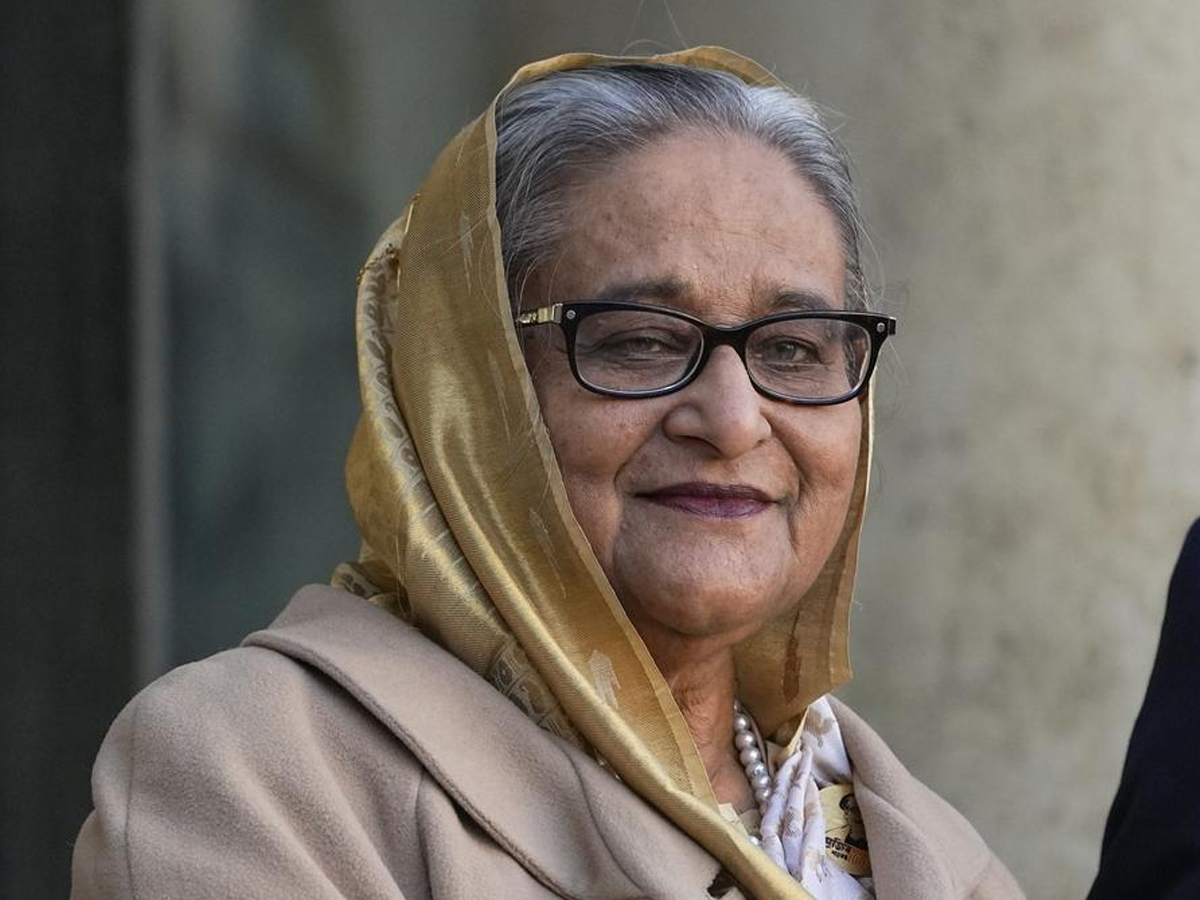
The United Nations on Monday expressed regret over the death sentence given to former Bangladesh Prime Minister Sheikh Hasina for crimes against humanity. While the UN acknowledged that the verdict marked “an important moment for victims,” it said Hasina should not have received the death penalty.
A UN rights office spokesperson said the office had “consistently advocated for all accountability proceedings — especially on charges of international crimes — to unquestionably meet international standards of due process and fair trial.” The spokesperson added, “We … regret the imposition of the death penalty, which we oppose in all circumstances.”
The UN had previously reported in February that Bangladesh’s former government carried out systematic attacks and killings of protesters, possibly amounting to crimes against humanity. While the office welcomed that a verdict had been reached, it stressed that trials conducted in absentia, especially those leading to capital punishment, must meet international legal standards.
Sheikh Hasina’s Verdict Details
The International Crimes Tribunal (ICT) of Bangladesh found Hasina guilty of ordering the killing of students and instructing law enforcement agencies to use drones, helicopters, and other weapons against civilians. Justice Golam Mortuza Mozumder said, “Sheikh Hasina ordered the law-enforcing agencies to use drones for locating the congregating protesters and subsequently to use helicopters and lethal weapons to kill them.”
The tribunal described Hasina as the “mastermind and principal architect” of the violent crackdown that killed hundreds of protesters. Former Home Minister Asaduzzaman Khan Kamal was also handed the death sentence on similar charges.
Political Reactions in Bangladesh
The Bangladesh Nationalist Party (BNP), led by Hasina’s long-time rival and former Prime Minister Khaleda Zia, welcomed the verdict. BNP General Secretary Mirza Fakhrul Islam Alamgir said in a Facebook post that the ruling was not just a judgment on Hasina’s crimes but a “burial of all forms of dictatorship on this country’s soil.”
India’s Response
India’s Ministry of External Affairs noted the tribunal’s verdict. The MEA said, “India has noted the verdict announced by the ‘International Crimes Tribunal of Bangladesh’ concerning former prime minister Sheikh Hasina.”
The statement emphasized that India, as a close neighbour, “remains committed to the best interests of the people of Bangladesh, including in peace, democracy, inclusion and stability in that country.” The ministry added, “We will always engage constructively with all stakeholders to that end.”
India had earlier received an extradition request from Bangladesh for Hasina to attend her trial, but at that time, the government said it had no further comment.
What This Means for Sheikh Hasina
Sheikh Hasina, 78, has been living in self-exile in India since August 2024 after student protests forced her government out. The death sentence adds to the uncertainty surrounding her future. The UN’s statement highlights concerns about fairness, due process, and human rights, especially because the trial was conducted in absentia.
This verdict has significant implications for Bangladesh’s political landscape, the Awami League party, and regional stability. Hasina’s current position in India and the pending extradition request make her next steps a matter of both legal and diplomatic importance.