
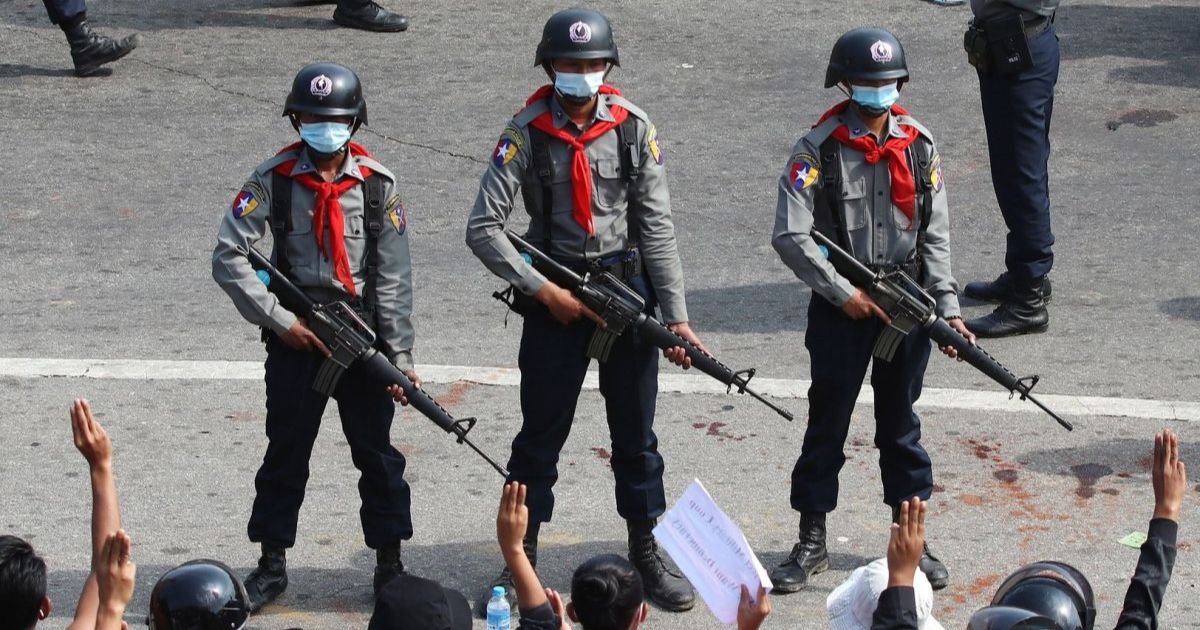
Catastrophic Evidence of Systemic Abuse
A United Nations investigative team has amassed considerable evidence pointing to institutionalized torture within Myanmar’s detention centers, charging top military commanders with crimes that include beatings, electric shock, gang rape, and even fingernails being ripped out using pliers. The evidence, outlined in a 16-page report published Tuesday by the Independent Investigative Mechanism for Myanmar (IIMM), also indicates that some victims, including children, did not survive the attacks.
Children were also not exempted from the brutality, with others taken into custody as substitutes for missing parents. “We have found substantial evidence, including eyewitness accounts, of systematic torture in detention centers in Myanmar,” declared IIMM head Nicholas Koumjian. Victims were able to identify many of their tormentors, giving hope that such identification could provide strength to prospective prosecutions.
Military Figures Under Scrutiny
The probe relies on more than 1,300 sources, including forensic evidence, files, photos, and scores of witness accounts. Although the identities of the suspects have been kept secret to prevent them from being warned, Koumjian said that senior commanders are among suspects named by the investigators. “People naturally know the names or at least they know the faces of the people who torture them or their buddies,” he said in a briefing for journalists in Geneva.
Myanmar’s military-led government has repeatedly denied perpetrating atrocities, blaming instead unrest on so-called “terrorists.” The junta has disregarded over two dozen UN calls for information or access to the nation.
A Country in Crisis
Myanmar has been in political and humanitarian crisis since the elected civilian government was overthrown in a February 2021 coup, leading to a nationwide rebellion and civil war. Dozens of thousands have been arrested in the last three years, UN data shows. Only last month, junta chief Min Aung Hlaing dissolved a four-year state of emergency, proclaimed himself acting president and announced his intention to hold an election.
The mandate of the IIMM goes back to 2011 and includes atrocities against the Rohingya Muslim minority in 2017 as well as post-coup abuses against all ethnic groups. Its activities contribute towards active cases in courts like the International Criminal Court and the United Kingdom.
ALSO READ: Myanmar’s Junta Ends State of Emergency — But Is Democracy Really Returning?
Justice at Risk
Even as its evidence base continues to expand, the future of the mechanism hangs in the balance. Koumjian alerted that UN budget reductions would bring an end to essential research on sexual violence, child abuse, and protecting witnesses by year’s end if funding was not reinstated. For victims and their families, time was running out not only for justice, but to prevent the world from turning its back on Myanmar’s agony.